Sports dietitian (sports nutritionist): career guide
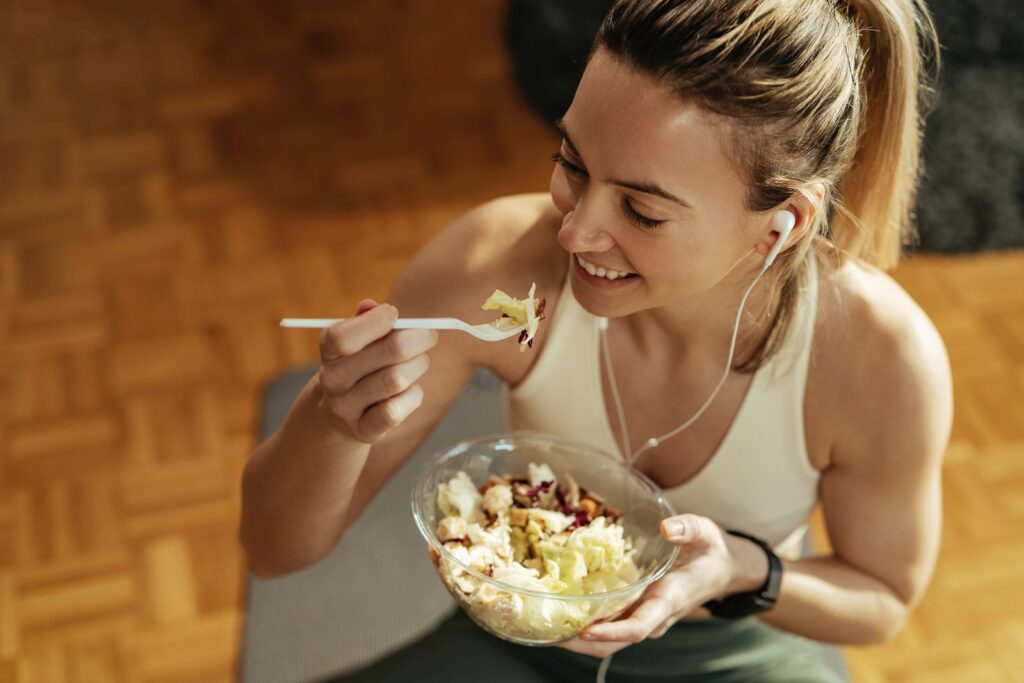
A sports dietitian, often called a « sports nutritionist », uses food to optimise athletes’ performance and recovery. From the demanding amateur to the elite athlete, they tailor every plate to the effort involved. It is a fascinating specialism at the crossroads of nutrition and sport.
The sports dietitian profession in figures
| Salary | €2,000 to €4,000 per month (depending on the structure, or private practice) |
| Level of study | 3-year degree (BUT Diététique) + specialisation |
| Training length | 3 years + university diploma (DU) or sports course |
| Status | Employed (club, centre) or self-employed |
| Core profession | Qualified, specialised dietitian |
| Clients | Amateur and professional athletes |
What is a sports dietitian?
A sports dietitian is a qualified dietitian who has specialised in nutrition for exercise. They design food strategies suited to each discipline and each phase (training, competition, recovery) to maximise performance, prevent injuries and speed up recovery.
What a sports dietitian does day to day
- Assess energy needs according to the discipline and training load.
- Build periodised nutrition plans (before, during and after exercise).
- Manage hydration and competition strategies.
- Adapt diet to goals: gaining muscle mass, losing fat, endurance.
- Advise on recovery and preventing deficiencies.
- Oversee supplement use sensibly and in line with anti-doping rules.
Skills and qualities required
- Command of nutrition and exercise physiology.
- Knowledge of sporting disciplines and their constraints.
- Ability to individualise and periodise intakes.
- Teaching skills when working with athletes and teams.
- Rigour on regulations (supplements, doping).
How to become a sports dietitian: training and career path
You become a sports dietitian by specialising after qualifying as a dietitian:
The BUT Diététique degree is the compulsory foundation: see our guide to becoming a dietitian.
University diplomas (DU) in sports nutrition, specialist certificates or dedicated courses cover exercise physiology and performance nutrition in depth.
Placements and collaborations with clubs, gyms or athletes help you build practical expertise.
A sports dietitian works in a club, a performance centre or a gym, or in private practice with a client base of athletes.
What does a sports dietitian earn?
€2,000
€3,000
€4,000
Pay depends on the structure (amateur club, elite centre, private practice) and on reputation. Online nutrition coaching for athletes is a fast-growing opportunity that can complement or replace face-to-face work.
Career opportunities and places of work
- Clubs and performance centres in sport.
- Gyms and fitness venues.
- Private practice specialising in athletes.
- Online nutrition coaching for athletes.
- Sports nutrition brands (consultancy, R&D).
Career progression
A sports dietitian can aim for elite level (sports federations, professional teams), make a name through content and online coaching, specialise by discipline (endurance, strength, team sports) or broaden into overall preparation by working with personal trainers and strength and conditioning coaches.
Sports dietitian and personal trainer: who does what?
| Aspect | Sports dietitian | Personal trainer |
|---|---|---|
| Core business | Performance nutrition | Physical training |
| Qualification | BUT Diététique degree + specialisation | BPJEPS / STAPS (French sport-coaching qualifications) |
| Detailed meal plan | Yes | No |
| Training programme | No | Yes |
Frequently asked questions
Sports dietitian or sports nutritionist: what is the difference?
Strictly speaking, a « sports nutritionist » is a specialised sports doctor. In practice, the role is most often filled by a dietitian who specialises in nutrition for exercise.
How do you specialise in sports nutrition?
After the BUT Diététique degree, you take a university diploma (DU) or a dedicated sports nutrition course, then gain experience with athletes and clubs.
How much does a sports dietitian earn?
Generally €2,000 to €4,000 per month depending on the structure (club, private practice, elite level) and reputation, and online coaching can raise income considerably.
Do you need to be an athlete to do this job?
A good knowledge of sport helps enormously in understanding the demands of each discipline, but expertise in nutrition for exercise matters most.
Going further
This career combines two worlds: read about becoming a dietitian (the foundation) and about working as a personal trainer (the partner on the ground).
For sports nutrition expertise, dive into our sports nutrition guides: before and after exercise, hydration, creatine, gaining muscle mass, and our muscle-gain recipes.
Salary and training figures are indicative (2025) and vary with experience, region and status. This career guide is for information only and is not personalised careers advice. Figures relate to France.