Group · Meat
Lamb
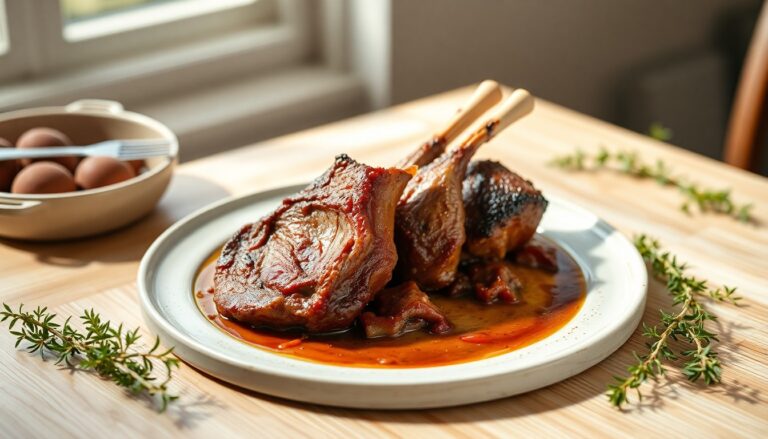
Lamb is a tender, flavourful red meat from young sheep. Enjoyed in many cuisines, from Mediterranean mechoui to Indian curry, it comes in several cuts: leg, shoulder, chops, saddle or knuckle. Its distinctive meat has a pronounced taste that goes wonderfully with herbs and spices. Nutritionally, lamb is an excellent source of protein (nearly 28.5 g per 100 g) and provides iron, zinc and B vitamins. With around 206 kcal and 8.78 g of fat per 100 g, it remains a fairly rich meat, to be included in moderation in a balanced, varied diet.
Macronutrient breakdown
Nutrition table per 100 g
| Calories | 193 kcal |
| Kilojoules | 809 kJ |
| Protein | 28,5 g |
| Fat | 8,8 g |
Micronutrients per 100 g
All measured nutrients, ranked by share of the daily reference intake.
- Vitamin B122 µg80 %
- Zinc4,33 mg43 %
- Vitamin B36,63 mg41 %
- Selenium9,2 µg17 %
- Vitamin B60,23 mg16 %
- Iron1,56 mg11 %
- DHA0,01 g4 %
- Omega-6 LA0,34 g3 %
See the other 2 nutrients
- Omega-3 ALA0,05 g3 %
- Total omega-30,06 g2 %
Anses Ciqual 2025. Source: Anses, 2025, Ciqual food composition table
Tips
To enjoy the benefits of lamb while watching your waistline, choose lean cuts such as leg or knuckle, and favour gentle cooking or grilling rather than anything too fatty. Allow a portion of around 100 to 120 g of cooked meat, served with seasonal vegetables and a source of starchy foods for a complete, filling meal.
- Cooking: roast leg of lamb, grilled chops or grilled shoulder of lamb keep added fats to a minimum. Remember to trim the fat off the meat before cooking.
- Seasoning: rosemary, thyme, garlic, cumin, mint or ras el hanout bring out the best in lamb without adding calories to the dish.
- Storage: keep fresh lamb for 2 to 3 days in the fridge, or freeze it quickly to preserve its quality.
In terms of nutrition facts, lamb stands out for its richness in complete protein, essential for maintaining and building muscle. It supplies well-absorbed haem iron, zinc and vitamin B12, nutrients that support everyday energy. Its glycaemic index is zero since it contains no carbohydrates, which makes it an ally in a well-constructed balanced diet.
For active people, lamb is a quality source of protein for recovery after exercise and for building muscle mass. Pair it with complex carbohydrates (rice, sweet potato, quinoa) to replenish your glycogen stores. When cutting, choose the leanest cuts and limit added fat. If you are looking for protein top-ups between meals, discover our high-protein snack ideas and our advice on nutrition for fitness.
If you want to vary your meat intake, explore other options in the same category such as veal or the whole meat family. To compare the calories of different foods and adjust your portions, also see the food calorie table.
Weight watch-out: lamb is still a red meat with a moderate energy density. To keep a balance, limit it to once or twice a week, avoid fatty sauces and fried side dishes, and keep portions reasonable. Eaten in moderation, it fits perfectly into an enjoyable but controlled diet.