Group · Herbs & spices
Chervil
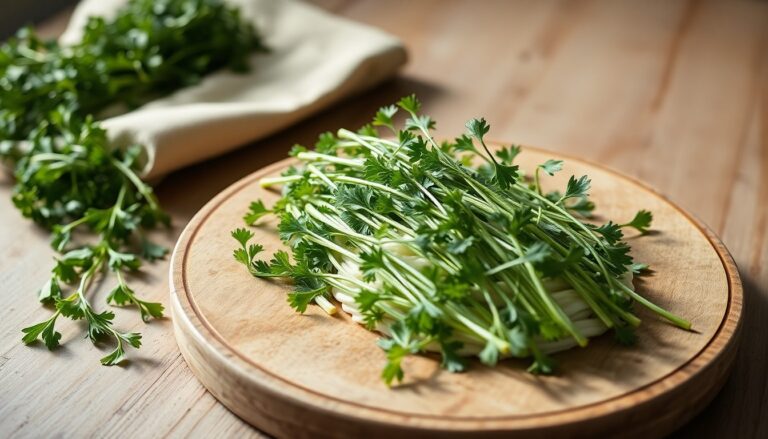
Chervil is a fine aromatic herb in the Apiaceae family, close to parsley but with a more delicate, slightly aniseed scent. It is available fresh, in bunches, or dried in the spice aisle. Its small, tender green, serrated leaves bring a touch of spring to dishes and are an integral part of the traditional fines herbes. Discreet in the kitchen but generous in flavour, chervil has its place in a balanced diet, as it lets you season food without an excess of salt or fat. In its dried form, it shows nutrition facts concentrated in fibre, plant protein and minerals, while still being used in very small doses.
Macronutrient breakdown
Nutrition table per 100 g
| Calories | 237 kcal |
| Kilojoules | 992 kJ |
| Protein | 23,2 g |
| Carbohydrate | 49,1 g |
| Fat | 3,9 g |
| Fibre | 11,3 g |
Tips
Chervil is best used fresh and added at the end of cooking, as its delicate flavour evaporates quickly with heat. Chop it finely over an omelette, steamed fish, a soup, a salad or a white sauce to bring out its subtle aroma. Fresh, it keeps for a few days in the fridge, wrapped in a damp cloth, or can be frozen chopped in a little water.
Nutritionally, the figures per 100 g (237 kcal) correspond to the dried, concentrated form: in reality you only eat a pinch. At that scale, the real calorie contribution stays negligible. Dried chervil is rich in fibre (11.3 g) and plant protein (23.2 g), and provides carbohydrate (49.1 g) with little fat (3.9 g). It also supplies vitamin C, provitamin A and minerals such as iron, magnesium and potassium.
- Pairings: it goes well with tarragon, chives and parsley. You can make a homemade fines herbes blend by combining chervil with chives and tarragon.
- Occasions: ideal at lunch and dinner to flavour vegetables, vinaigrettes and white fish.
- Seasonality: fresh chervil is mainly available in spring and early summer.
For slimming, chervil is a great ally: it lifts the taste of low-calorie dishes without adding sugar or fat, which helps you do without rich sauces. It is a good habit in a balanced diet approach, where you look to vary flavours while keeping an eye on calorie density.
For active people, chervil is not a source of energy in itself given the amounts used, but it brings out the best in recovery plates rich in lean protein and vegetables, without weighing down the meal. It goes perfectly with a portion of fish or chicken breast after exercise. To go further, explore the other herbs in the Herbs & Spices family and compare the calories of foods to put together tasty, well-managed menus.