Group · Herbs & spices
Saffron
Saffron is one of the most precious spices in the world. It comes from the dried stigmas of the crocus flower (Crocus sativus), and thousands of flowers have to be picked by hand to produce just a few grams, which explains its high price. It is sold as fine orange-red threads or, more rarely, as a powder. Its subtle, slightly bitter and floral flavour, together with its unique colouring power, makes it a signature of many Mediterranean, Middle Eastern and Indian cuisines. Used in tiny amounts, saffron adds colour, aroma and character without weighing a dish down. Nutritionally, it contains natural pigments (crocin, safranal) and fits easily into a varied, balanced diet.

Macronutrient breakdown
Nutrition table per 100 g
| Calories | 352 kcal |
| Kilojoules | 1490 kJ |
| Protein | 11,4 g |
| Carbohydrate | 61,5 g |
| Fat | 5,9 g |
| Fibre | 3,9 g |
Micronutrients per 100 g
All measured nutrients, ranked by share of the daily reference intake.
- Manganese28,4 mg1420 %
- Vitamin C80,8 mg101 %
- Potassium1720 mg86 %
- Iron11,1 mg79 %
- Vitamin B61,01 mg72 %
- Magnesium264 mg70 %
- Phosphorus252 mg36 %
- Copper0,33 mg33 %
- Vitamin B9dietary folate equivalents93 µg
See the other 6 nutrients
- Vitamin B20,27 mg19 %
- Calcium111 mg14 %
- Vitamin B10,12 mg11 %
- Zinc1,09 mg11 %
- Vitamin B31,46 mg9 %
- Vitamin A26,5 µg3 %
Anses Ciqual 2025. Source: Anses, 2025, Ciqual food composition table
Tips
Saffron is used sparingly: a few threads are enough to flavour a whole dish. Looking at its nutrition facts (around 352 kcal per 100 g, 11.4 g of protein, 61.5 g of carbohydrate), its calories hardly register on the plate because you only use a pinch. It is an ideal ally for flavoursome, light cooking.
To bring out its aroma, steep the threads for 15 to 30 minutes in a little warm water, milk or stock before adding them towards the end of cooking. Too much heat damages its pigments, so favour gentle cooking to preserve colour and flavour.
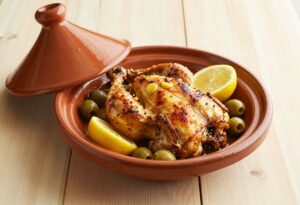
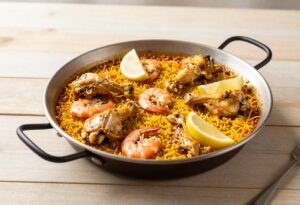
- Culinary uses: paella, risotto, tagines, bouillabaisse, fragrant rice, sauces, milk-based desserts, brioches.
- Pairings: it goes well with garlic, onion, lemon and other spices such as turmeric or cumin in slow-cooked dishes.
- Storage: keep it away from light, in an airtight container, somewhere dry. Well protected, saffron keeps its fragrance for several months.
As for benefits, saffron provides natural compounds and pigments (crocin, safranal) and lets you lift a dish without salt or fats. That is an advantage if you are watching your weight or trying to cut down on sodium, for example as part of a DASH diet. Be wary, though, of poor-quality blends cut with other ingredients: buy pure saffron, recognisable by its deep red threads.
For active people: saffron is not a source of energy in itself, but it lets you cook complex carbohydrate dishes (rice, pulses) with real flavour. These are useful for refuelling, and you can keep rich sauces to a minimum. A saffron risotto after training combines enjoyment with the carbohydrate you need for recovery. For protein, pair it with white fish, seafood or poultry.
Saffron belongs to the large family of herbs and spices, ideal for varying flavours without piling on calories. To compare its figures with other foods, see the calorie table. Used wisely, saffron turns a simple meal into a refined occasion that fits perfectly into a balanced diet.