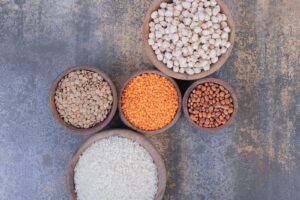
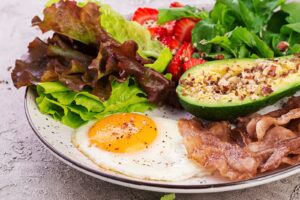
DASH Diet: Lower Your Blood Pressure Through Food

Struggling with persistent high blood pressure despite your attempts to adjust your diet? The DASH diet, scientifically validated (WHO), offers a way to lower your blood pressure. By limiting sodium to 1,500-2,300 mg/day (about ½ to 1 teaspoon of salt) and favouring foods rich in potassium, calcium and fibre (fruit, vegetables, wholegrains, low-fat dairy), it lowers LDL cholesterol and protects the heart. Based on an average intake of 2,000 calories/day, this diet offers a sustainable way of eating without extreme deprivation, and can be adjusted to your needs under medical advice.
👉 Free tool: Calorie deficit – calculate it in 30 seconds, no sign-up needed.
- What is the DASH diet?
- The main principles of the DASH diet
- What are the health benefits of the DASH diet?
- What should you eat? The recommended portions
- Foods to favour and foods to limit on the DASH diet
- Practical tips for following the DASH diet day to day
- The DASH diet: more than a diet, a way of life
What is the DASH diet?
Definition and main aim
The DASH diet (Dietary Approaches to Stop Hypertension) is an eating plan designed to prevent or treat high blood pressure. Developed by the National Institutes of Health (NIH) in the United States, it is built on a balance of potassium, calcium, magnesium, fibre and protein, while cutting back on sodium, saturated fat and sugar. Its key aim: to lower blood pressure, often within two weeks.
It is a sustainable, non-restrictive way of eating. A typical menu includes vegetables, wholegrains and low-fat dairy products. Reducing sodium (down to 1,500 mg/day) amplifies its effects on blood pressure.
Who is it recommended for?
The DASH diet is for everyone, not only people with high blood pressure. It suits anyone wanting to improve their cardiovascular health, lower LDL cholesterol or prevent heart disease and strokes. Even if you are in good health, it helps you maintain a balanced diet in the long term.
It also helps prevent type 2 diabetes thanks to its fibre and low glycaemic index foods. By steering you away from processed foods, it encourages a healthy lifestyle overall. Combined with 30 to 60 minutes of physical activity a day, it forms part of a preventive, long-term approach.
The main principles of the DASH diet
A balanced nutritional approach
The DASH diet (Dietary Approaches to Stop Hypertension) is based on nutrients such as potassium, calcium and magnesium, which are essential for regulating blood pressure. The DASH-sodium study shows that this mineral balance reduces high blood pressure. Vegetables (carrots, spinach), fruit (bananas, kiwis), wholegrains (quinoa), skimmed dairy products and pulses are its foundations. Fatty meats, full-fat cheeses and ready meals, which are often high in salt and saturated fat, should be avoided.
Managing sodium: a central pillar
The diet offers two options:
- Standard DASH: 2,300 mg of sodium/day (1 teaspoon of salt).
- Low-sodium DASH: 1,500 mg/day for a stronger effect.
Too much salt makes the body retain water, which raises blood pressure. According to research, sticking to the diet lowers systolic blood pressure. To cut down on sodium, use spices (turmeric, herbs) and choose fresh foods with no added salt.
For an intake of 2,000 calories, aim for 4 to 5 portions of vegetables and fruit and 2 to 3 portions of low-fat dairy products. Alcohol is limited to 2 drinks/day for men and 1 drink for women. Besides its main target (high blood pressure), this diet reduces cardiovascular risk through a balanced way of eating.
What are the health benefits of the DASH diet?
Proven effectiveness on blood pressure
The DASH diet is best known for its ability to lower blood pressure. Studies show that it can reduce blood pressure by 8 to 14 mm Hg, a notable effect in less than two weeks. According to a 2022 meta-analysis published on ScienceDirect, this diet leads to an average reduction of 3.2 mm Hg in systolic pressure and 2.5 mm Hg in diastolic pressure compared with standard diets.
The World Health Organization (WHO) stresses that this effect is stronger in people with high blood pressure. The diet limits sodium to 2,300 mg/day, with a stricter version at 1,500 mg/day for stronger results.
Benefits beyond high blood pressure
Besides blood pressure, the DASH diet improves several markers of overall health:
- Lower LDL cholesterol (the « bad cholesterol »), thanks to the fibre in pulses and the healthy fats in nuts.
- Help with weight loss, especially when combined with physical activity and calorie control. Precise portions (e.g. 4-5 pieces of fruit/day) help you avoid overeating.
- Improved insulin sensitivity, reducing the risk of type 2 diabetes by 20% according to a 2022 study.
- Stronger cardiovascular health by reducing several risk factors at once, such as inflammation.
These effects, combined with a balanced diet, make it a pillar of preventing chronic disease. By limiting processed foods and saturated fat, the DASH diet fits into a healthy lifestyle overall.
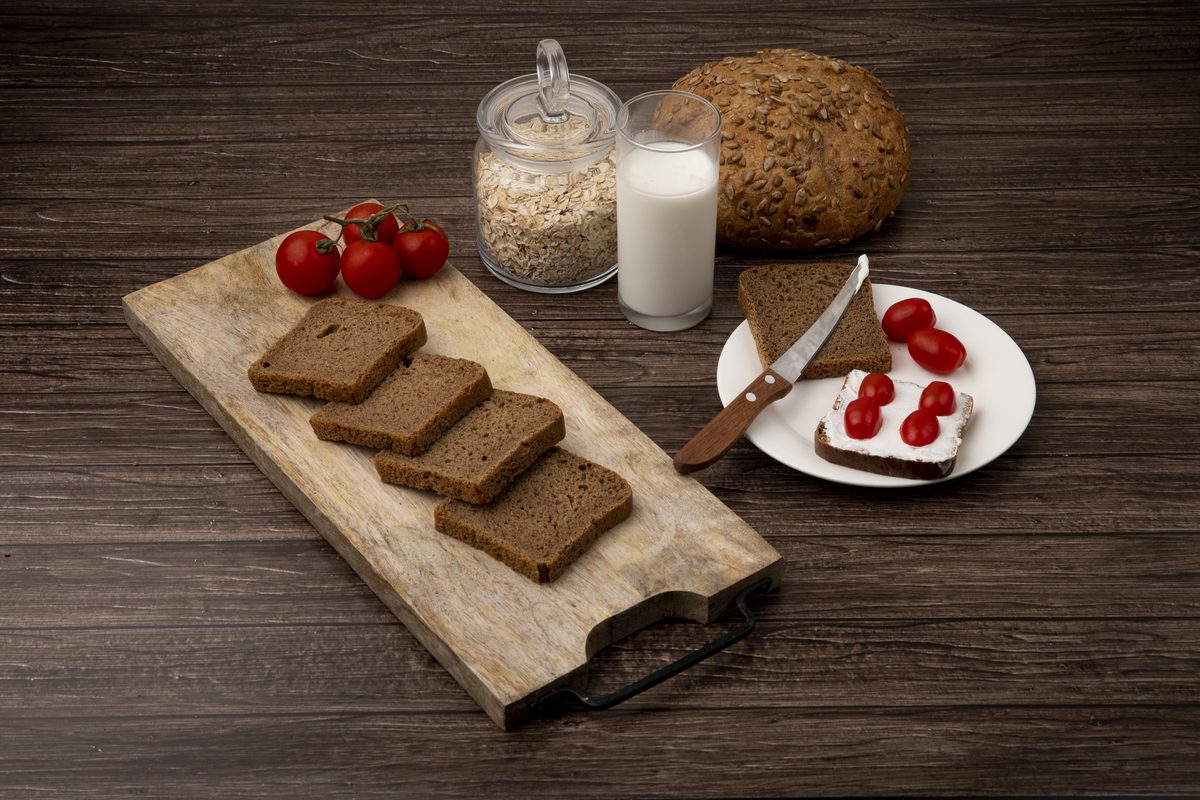
What should you eat? The recommended portions
To follow the DASH diet, here are the recommended daily portions (based on 2,000 calories/day, to be adjusted to your needs).
| Foods | Servings | Example |
|---|---|---|
| Wholegrains | 6 to 8 | 1 slice of bread, 1/2 cup of cereal |
| Vegetables | 4 to 5 | 1 cup raw or 1/2 cup cooked |
| Fruit | 4 to 5 | 1 piece of fruit or 1/2 cup fresh/frozen |
| Low-fat dairy products | 2 to 3 | 1 cup milk/yoghurt, 45 g of cheese |
| Lean meat, fish | 6 x 30 g | 30 g of meat/fish or 1 egg |
| Nuts, pulses | 4-5/week | 1/3 cup of nuts, 1/2 cup of pulses |
| Fats and oils | 2 to 3 | 1 tsp of oil, 1 tbsp mayonnaise |
| Sweets | 5 or fewer/week | 1 tbsp of sugar, 1/2 cup of sorbet |
Foods to favour and foods to limit on the DASH diet
The foods at the heart of the DASH diet
The DASH diet is built on foods rich in potassium, magnesium and fibre. Favour fruit and vegetables such as bananas, spinach, avocados, beans, lentils and Brussels sprouts. These foods help lower blood pressure thanks to their antioxidant properties. Wholegrains (brown rice, quinoa, wholemeal bread) provide fibre and slow-release carbohydrate for lasting fullness. Low-fat dairy products (skimmed milk, 0% yoghurt, unsweetened plant-based drinks) provide calcium and protein, which are essential for bone health.
Fish rich in omega-3 (salmon, mackerel, sardines) and skinless poultry (chicken, turkey) are preferred to fatty meats. Nuts (almonds, pecans), seeds (flaxseed, chia, sunflower) and pulses (kidney beans, lentils, chickpeas) provide plant protein and unsaturated fat, which help lower LDL (« bad ») cholesterol.
Foods to eat in moderation
- Foods high in sodium: Ready meals, tinned soups, cured meats (ham, sausages) and sauces (soy sauce, ketchup) should be limited. Too much salt stimulates the nervous system and makes the body retain water. Target: 1,500 to 2,300 mg of sodium/day.
- Fatty foods: Fatty meats (beef, lamb), butter, cream and tropical oils (coconut, palm) raise bad cholesterol. Use olive or rapeseed oil for cooking.
- Sweets: Fizzy drinks, shop-bought cakes and sugary juices cause blood sugar spikes. Limit them to 5 portions a week (e.g. 1 tablespoon of syrup, ½ cup of sorbet).
- Red meat: Although not forbidden, you should eat less of it in favour of fish or poultry. Processed meats (bacon, sausages) are best avoided because of their sodium and saturated fat content. Choose lean cuts if you eat it occasionally.
Practical tips for following the DASH diet day to day
How can you easily cut down on salt?
To reduce sodium, always check the nutrition labels. Favour foods with less than 140 mg of sodium per portion. Look for the claims « low salt » or « no added salt ».
- Use spices (turmeric, pepper, cumin) or fresh herbs (parsley, basil, coriander) to replace salt. A homemade blend (basil, garlic powder, onion powder) brings out the natural flavours of your dishes.
- Choose fresh or frozen vegetables rather than tinned. If you use tinned vegetables, rinse them under cold water to remove 10 to 20% of the sodium.
- At restaurants, ask explicitly for dishes with no added salt and avoid Asian dishes or dishes in sauce, which are often very salty.
« Your taste buds will get used to a less salty diet. This change improves your long-term health and brings out the natural flavours of food. »
What about alcohol and caffeine?
For alcohol, stick to 1 drink/day for women and 2 for men. Recent studies show that even these amounts can slightly raise blood pressure. The DASH diet is part of an overall approach to balance, including moderate alcohol consumption.
As for caffeine, its effect varies from person to person. If you are sensitive, swap coffee for alternatives such as the Om Mushroom Superfood Morning Energy Blend (made with functional mushrooms) or rooibos infusions. These options give you an energy boost with no effect on blood pressure.
Avoid ready meals, tinned soups and cured meats, which often hide salt. Replace them with natural foods: fresh vegetables, unsalted dried fruit or unroasted nuts. The DASH diet values whole, minimally processed foods.
The DASH diet: more than a diet, a way of life
A flexible, sustainable approach
The DASH diet is a scientifically validated method for improving long-term health. It is built on accessible foods that are rich in potassium, calcium, magnesium and fibre, with a reduced sodium intake. Its flexibility means you can include lean meats or full-fat dairy products, which makes it easier to stick with. Studies show that it lowers blood pressure and prevents cardiovascular risk.
This diet inspired the MIND diet, which combines DASH with the Mediterranean diet to protect brain health. Created by the University of Chicago in 2015, it encourages eating leafy greens, berries and antioxidants. The MIND diet complements DASH for an all-round approach, reducing the risk of cognitive decline.
Why medical advice matters
Before adopting the DASH diet, advice from a healthcare professional is crucial. It lets you adapt the diet to your health, particularly by adjusting your salt intake or identifying adaptations for people with diabetes. This consultation ensures a safe, personalised approach.
The DASH diet fits into a balanced lifestyle. Combined with physical activity and stress management, it prevents high blood pressure and improves cardiovascular health. This holistic approach promotes overall wellbeing while supporting moderate weight loss.
The DASH diet, scientifically validated, reduces high blood pressure and cardiovascular risk through accessible foods. Inspired by the Mediterranean diet and the MIND diet, it combines simplicity and flexibility, and requires medical advice. Combined with physical activity, it maximises its lasting health impact.

FAQ
What kind of menu does the DASH diet involve?
The DASH diet menu is built around varied daily intakes, based on 2,000 calories a day. Here is an example: 6 to 8 portions of wholegrains (wholemeal bread, brown rice), 4 to 5 portions of vegetables (spinach, broccoli), 4 to 5 portions of fruit (bananas, citrus fruit), 2 to 3 portions of low-fat dairy (yoghurt, 0% cheese), 6 portions of lean meat or fish (salmon, skinless chicken), 2 to 3 portions of healthy fats (olive oil), and 5 portions of sweets a week. Quantities can be adjusted for age, sex or physical activity.
How does the DASH diet work?
The DASH diet works by lowering blood pressure through a specific nutritional balance: it is rich in potassium, calcium, magnesium and fibre (found in fruit, vegetables and wholegrains) and low in sodium (2,300 mg/day, or 1,500 mg/day for the strict version). By limiting saturated fat and added sugar, it also improves LDL cholesterol and insulin sensitivity. Its effectiveness is scientifically proven, with a drop of 8 to 14 mm Hg in blood pressure within a few weeks.
Which foods should you avoid if you have high blood pressure?
For people with high blood pressure, it is crucial to limit:
- processed foods (ready meals, cured meats), which are high in salt (more than 2,300 mg/portion);
- fatty meats (beef, lamb) and full-fat dairy products, which contain saturated fat;
- fizzy drinks and sweets, which provide empty calories; tropical oils (coconut, palm) for their processed fats.
By choosing fresh foods and cooking for yourself, you can control these intakes better.
What is the DASH diet?
The DASH diet (Dietary Approaches to Stop Hypertension) is an eating plan designed by the NIH to fight high blood pressure. It is based on a balanced diet: plenty of vegetables, fruit, wholegrains, lean protein and skimmed dairy, with an emphasis on reducing sodium (1,500 to 2,300 mg/day). It does not exclude any food group but encourages healthy choices, relying on clinical studies for its effectiveness.
What are the 12 foods to avoid for stable blood pressure?
The foods to limit include:
- ready meals,
- tinned soups,
- cured meats (dry sausage, ham),
- savoury snack biscuits,
- sauces such as ketchup or soy sauce,
- fatty meats (rib of beef),
- full-fat dairy products,
- coconut/palm oils,
- fizzy drinks,
- shop-bought cakes,
- frequent red meat,
- tinned foods that have not been rinsed.
These foods are high in sodium, saturated fat or sugar, which promotes high blood pressure.
How do you follow the DASH diet day to day?
To start the DASH diet:
- work out your calorie needs (2,000 calories/day is a common starting point);
- prioritise fresh foods (vegetables, fruit);
- replace salt with spices or lemon;
- choose wholegrains (oats, quinoa) and lean protein (fish, pulses);
- read labels to avoid products with more than 140 mg of sodium/portion;
- cook more often so you control the ingredients.
Adapting gradually over 2 weeks makes it easier to get used to less salty flavours.
Can drinking plenty of water lower blood pressure?
Drinking enough water (1.5 to 2 litres/day) supports cardiovascular health by preventing dehydration, which can cause a temporary rise in blood pressure. However, the DASH diet focuses on reducing sodium and providing potassium (dried fruit, bananas) for a lasting effect. Good hydration complements these efforts but does not replace the other measures. People taking diuretics should adjust their intake on medical advice.
Which inflammatory foods should you avoid?
The pro-inflammatory foods to limit are: 1) processed foods (fast food, cured meats) containing additives; 2) refined oils (sunflower, corn) high in omega-6; 3) added sugars (cakes, fizzy drinks) that promote insulin resistance; 4) alcohol above 2 drinks/day; 5) red and fatty meats. The DASH diet replaces them with omega-3 (salmon), antioxidants (berries) and fibre (pulses), reducing chronic inflammation linked to metabolic diseases.
What is the framework of the DASH programme?
The DASH programme is structured around daily and weekly food portions, with an emphasis on nutritional quality: 6-8 portions of wholegrains, 4-5 of vegetables/fruit, 2-3 of low-fat dairy. It includes precise recommendations for salt (1,500-2,300 mg/day), plant-based fats, and plant protein (pulses, nuts). This framework, scientifically tested, is designed to be followed in the long term, with medical follow-up to personalise intakes, particularly for patients with high blood pressure or diabetes.
Read also
Food guides: Walnuts, Spinach, Salmon, Quinoa, Coffee
Recipes to try: Salmon, quinoa and spinach, Spinach, strawberry and feta salad, Oat and banana bars with no added sugar