Strength and conditioning coach: career guide, training, salary and job prospects
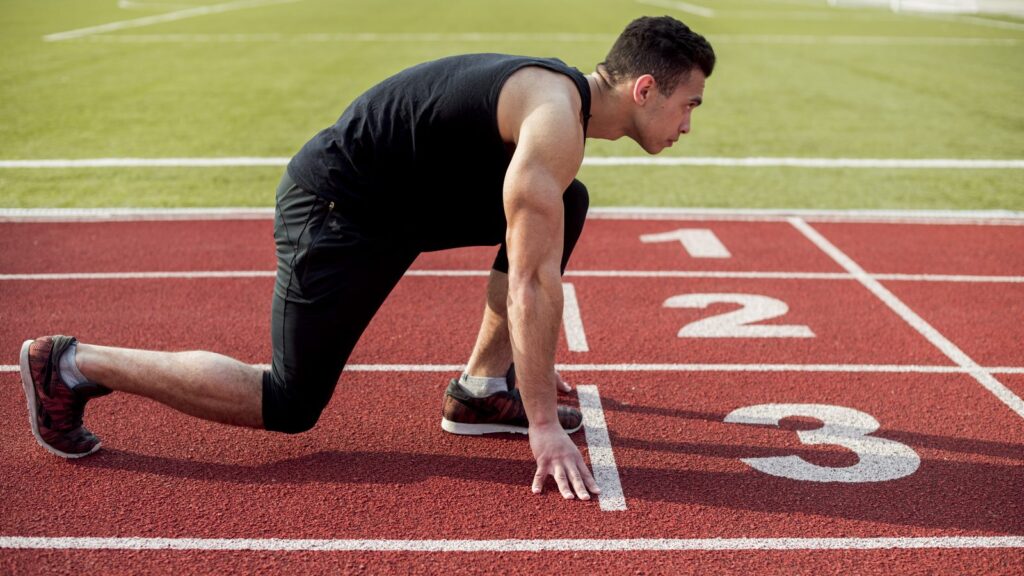
The strength and conditioning coach optimises athletes’ performance: strength, speed, endurance and injury prevention. The head coach’s right-hand person in elite sport, it is a demanding and fascinating profession at the cutting edge of training science.
The strength and conditioning coach profession in figures
| Starting salary | ≈ €1,800 gross / month |
| Experienced salary | €2,500 – €4,000 (elite level: much more) |
| Education level | Bac +3 to +5 (3 to 5 years of university: Bachelor’s/Master’s in sports science, STAPS, training specialism) |
| Length of training | 3 to 5 years |
| Status | Employed (club, organisation) or self-employed |
| Sector | From amateur clubs to professional sport |
What is a strength and conditioning coach?
The strength and conditioning coach develops athletic qualities in athletes (strength, power, speed, endurance, mobility) and helps prevent injuries. They design precise, periodised training programmes, complementing the head coach’s technical work, to bring the athlete to peak form at the right moment.
What a strength and conditioning coach does day to day
- Assess each person’s physical qualities (tests, assessments).
- Design periodised physical conditioning programmes.
- Develop strength, speed, power, endurance and mobility.
- Put in place injury prevention and return-to-play conditioning.
- Work with the head coach, the doctor and the physiotherapist.
- Track and analyse performance data.
Skills and qualities required
- Expertise in exercise physiology and training planning.
- Knowledge of the specific demands of each sport.
- Ability to analyse performance data.
- Rigour and a strong sense of prevention and safety.
- Leadership and communication with staff and athletes.
How to become a strength and conditioning coach: training and career path
The standard route is through university (STAPS, the French sports science degree), often up to Master’s level:
The theoretical and practical foundation: physiology, biomechanics and training methodology.
The preferred route into elite sport and jobs at professional clubs.
Strength training, return-to-play conditioning, performance-tracking technology.
Clubs, federations, performance centres, or one-to-one athlete conditioning as a self-employed coach.
What salary can a strength and conditioning coach expect?
€1,800
€3,000
€4,500
The gaps are wide: modest at an amateur club, pay climbs sharply in professional sport and with elite athletes. Specialisation and reputation are decisive, and one-to-one athlete coaching can be very lucrative.
Job prospects and places of work
- Sports clubs (amateur to professional).
- Performance centres and federation facilities.
- One-to-one support for athletes.
- High-end gyms and cross-training facilities.
- Research and teaching in sports science (STAPS).
Career progression
Strength and conditioning coaches can specialise by sport or by quality (strength, return-to-play conditioning), work their way up to professional sport, become a club’s head of performance, move into research, or develop a consulting and training business.
Strength and conditioning coach or fitness coach: who does what?
| Criteria | Strength and conditioning coach | Fitness coach |
|---|---|---|
| Who it is for | Athletes (often competitive / elite level) | General public, getting back in shape |
| Aim | Athletic performance | Fitness, wellbeing, weight loss |
| Typical training | STAPS Bachelor’s/Master’s in Training | BPJEPS (French vocational sports instructor certificate) / STAPS |
| Working environment | Club, organisation, athletes | Gym, clients’ homes, self-employed |
Frequently asked questions
What training do you need to become a strength and conditioning coach?
The STAPS Sports Training pathway, ideally up to Master’s level (Bac +5), is the standard route into elite sport.
Strength and conditioning coach or fitness coach?
A strength and conditioning coach aims at athletes’ performance (often in competition); a fitness coach supports a broad audience towards fitness and wellbeing.
How much does a strength and conditioning coach earn?
From €1,800 at an amateur club to €4,000 and much more in professional sport, depending on expertise, level and reputation.
Do you have to look after athletes’ nutrition?
Nutrition is key, but it falls to the sports dietitian. The strength and conditioning coach works with them to optimise performance and recovery.
Going further
Related professions: fitness coach, adapted physical activity (APA) teacher and sports dietitian.
Performance and nutrition go hand in hand: explore our sports nutrition guides, including gaining muscle mass, creatine and what to eat around exercise.
Salary and training figures are indicative (2025) and vary with experience, region and status. This guide is for information only and is not personalised career advice.