Group · Fats & oils
Pork fat (lard)
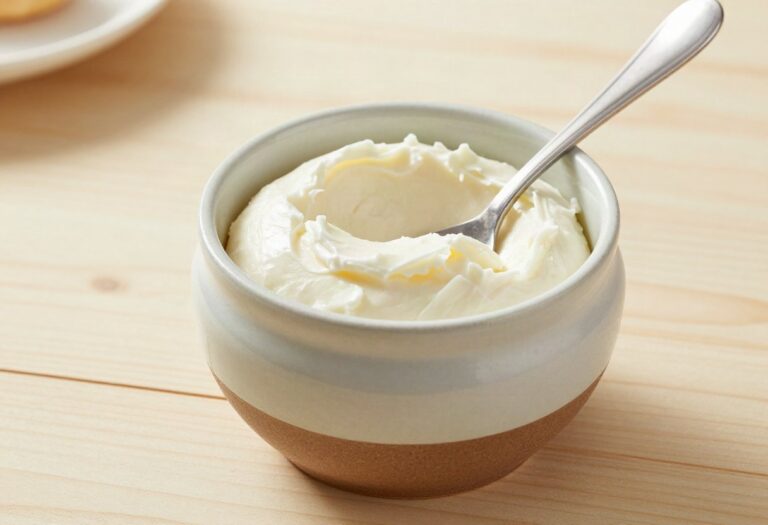
Lard, also called pork fat, is an animal fat obtained by rendering the fat of pork. White in colour and creamy in texture at room temperature, it has long held a central place in traditional cooking, from confits to pastry and deep-frying. With 100 g of fat per 100 g and about 902 kcal, it is a pure fat, with no protein, carbohydrate or fibre. Rich in saturated fatty acids but also in oleic acid, lard gives a characteristic flavour and excellent cooking performance. Like any concentrated fat, it is best enjoyed in moderation as part of a balanced diet, where it remains an ingredient with character rather than an everyday food.
Macronutrient breakdown
Nutrition table per 100 g
| Calories | 900 kcal |
| Kilojoules | 3700 kJ |
| Fat | 100 g |
Micronutrients per 100 g
All measured nutrients, ranked by share of the daily reference intake.
- Omega-6 LA8,91 g89 %
- Vitamin D2,5 µg50 %
- Omega-3 ALA0,9 g45 %
- Selenium3,55 µg6 %
- Vitamin E0,6 mg5 %
- Zinc0,11 mg1 %
- Iodine1,15 µg1 %
Anses Ciqual 2025. Source: Anses, 2025, Ciqual food composition table
Tips
Lard is a cooking fat prized for its stability at high temperatures. Its high smoke point makes it an ally for deep-frying, browning and searing, where some vegetable oils oxidise faster. It brings out the best in sautéed potatoes, rillettes and confits, and gives a unique crispness to shortcrust pastry. A few grams are enough: allow a teaspoon (about 5 g) to grease a pan rather than a big knob, because its calorie density is very high.
In terms of nutrition facts, lard is 100% fat, with no carbohydrate or protein. It contains a large share of saturated fatty acids and a notable proportion of oleic acid (a monounsaturated fatty acid also found in olive oil). To vary your fat intake, alternate with plant-based fats: rapeseed oil and walnut oil, rich in omega-3, balance well a profile dominated by saturated fats. You can explore the whole fats and oils family to compare their uses.
For storage, keep lard in the fridge in an airtight container, away from light and odours. It sets when cold and becomes workable again at room temperature. Well protected, it keeps for several weeks without going rancid.
- Cooking methods: ideal for searing, frying and confit; to be measured precisely.
- Pairings: root vegetables, slow-cooked meats, rustic dishes.
- When to use it: better for dishes prepared in advance than for raw use.
For active people, lard is not the most worthwhile source of fat day to day, because it is low in essential fatty acids. Favour vegetable oils and nuts for your good fats, and concentrate your useful calories around training with good-quality carbohydrate and protein. If you are working on your nutrition, our guide to fitness nutrition helps balance your macronutrient ratio.
For weight control, keep in mind that each gram of fat provides about 9 kcal: 100 g of lard comes to nearly 902 kcal. Weigh your quantities, limit frequent deep-frying and treat this fat as an occasional pleasure. To see how these calories compare with other foods, check the calorie table and take an overall approach through a balanced diet.