Group · Dairy
Low-fat plain yoghurt
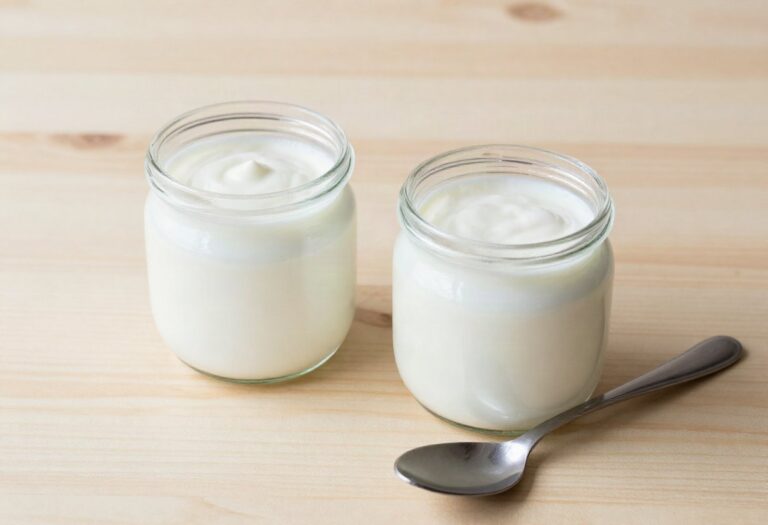
Low-fat plain yoghurt is a smart variation on traditional yoghurt, made from partially skimmed milk fermented with lactic cultures. Its special feature? An almost negligible fat content (barely 0.1 g of fat per 100 g), while keeping a good amount of protein (4.08 g) and a creamy texture. With only 39.1 kcal per 100 g, it fits easily into a balanced diet, whether you want to watch your weight or simply vary your sources of dairy products. Rich in calcium and good lactic bacteria, it lends itself to a thousand uses, from breakfast to snacks. Light, versatile and inexpensive, it is an everyday ally liked by athletes and food lovers alike.
Macronutrient breakdown
Nutrition table per 100 g
| Calories | 39 kcal |
| Kilojoules | 166 kJ |
| Protein | 4,1 g |
| Carbohydrate | 4,9 g |
| Fat | 0,1 g |
| Fibre | 0,1 g |
Micronutrients per 100 g
All measured nutrients, ranked by share of the daily reference intake.
- Iodine29,2 µg19 %
- Calcium152 mg19 %
- Total omega-30,45 g18 %
- Vitamin B20,24 mg17 %
- Phosphorus114 mg16 %
- Potassium196 mg10 %
- Vitamin B50,42 mg7 %
- Selenium3,84 µg7 %
- Vitamin B9dietary folate equivalents7,95 µg
See the other 7 nutrients
- Vitamin B120,16 µg6 %
- Zinc0,55 mg6 %
- Magnesium13,9 mg4 %
- Vitamin B60,04 mg3 %
- Vitamin B10,03 mg3 %
- Vitamin A9,25 µg1 %
- Vitamin K10,2 µg0 %
Anses Ciqual 2025. Source: Anses, 2025, Ciqual food composition table
Tips
Low-fat plain yoghurt can be eaten at any time of day. A classic portion is one 125 g pot, or around 64 kcal: enough for a light snack or to round off a meal. At breakfast, pair it with fresh fruit, oat flakes or a drizzle of honey for a more complete carbohydrate intake. As a snack, it takes the edge off small hunger pangs without weighing down the day’s calorie count.
Varieties and culinary uses: it comes in set, smooth or drinking versions. You can turn it into a light sauce (with lemon, herbs and garlic) to go with raw vegetables or meat, add it to marinades to tenderise, or use it in place of cream in some recipes. If you are looking for a thicker texture, compare it with fat-free fromage blanc or smooth plain yoghurt, two options with similar nutrition facts.
Key nutrients: this yoghurt provides calcium, phosphorus, B vitamins and good-quality protein. Its glycaemic index is moderate and its lactic cultures contribute to digestive comfort. The absence of fat makes it a leading choice for those watching their fat intake, as long as you check that no sugar has been added to make up for the flavour.
- Storage: keep it in the fridge at between 4 and 6 °C and respect the use-by date.
- Tasty pairings: red berries, chia seeds, cinnamon or lemon zest.
- Weight-loss tip: choose the plain version rather than sweetened or flavoured yoghurts, which are often higher in calories.
For athletes: with its protein and very low fat content, low-fat plain yoghurt is an excellent recovery base. Mix it with fruit and a little protein powder for a post-exercise snack, or include it in your protein snack recipes. It suits a cutting strategy just as well as a fitness nutrition programme aimed at muscle definition.
To explore other dairy options, browse the dairy products family and compare their contributions using the food calorie table. Light and nourishing, low-fat plain yoghurt is a simple habit for combining pleasure, balance and moderation every day.