Group · Sweet foods
Honey
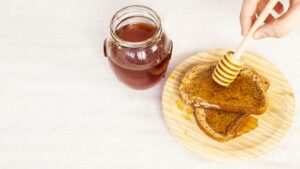
Honey is a natural sweetener made by bees from flower nectar. Golden, amber or almost white depending on its floral origin, it comes in many varieties: acacia, chestnut, lavender, wildflower, lime blossom or fir honey, each with its own aromas and texture (runny or set). Enjoyed since antiquity, it is used to sweeten drinks and preparations, but also to drizzle, glaze or flavour a host of recipes. In terms of nutrition facts, honey is essentially made up of sugars (fructose and glucose) and provides around 331 kcal per 100 g. Used in moderation, it has its place in a balanced diet as a tasty alternative to refined sugar.

Macronutrient breakdown
Nutrition table per 100 g
| Calories | 331 kcal |
| Kilojoules | 1410 kJ |
| Protein | 0,7 g |
| Carbohydrate | 82,1 g |
Micronutrients per 100 g
All measured nutrients, ranked by share of the daily reference intake.
- Manganese0,16 mg8 %
- Potassium70,3 mg4 %
- Vitamin B20,04 mg3 %
- Vitamin B60,02 mg2 %
- Copper0,02 mg2 %
- Iron0,18 mg1 %
- Magnesium4,26 mg1 %
- Vitamin B50,07 mg1 %
- Vitamin B9dietary folate equivalents2 µg
See the other 6 nutrients
- Calcium7,93 mg1 %
- Zinc0,1 mg1 %
- Vitamin B30,12 mg1 %
- Vitamin C0,5 mg1 %
- Phosphorus4 mg1 %
- Iodine0,67 µg0 %
Anses Ciqual 2025. Source: Anses, 2025, Ciqual food composition table
Tips
Honey is still a sugary product: its energy density is high and it should be eaten in moderation. One teaspoon (around 7 to 10 g) is enough to sweeten a tea, a plain yoghurt or some fromage blanc. As it is sweeter than sugar, you can often use a little less than you would expect in a recipe.
How should you eat honey? Favour it raw or added at the end of cooking: its flavour and delicate aromas break down at high heat. It goes wonderfully with dairy, oat flakes, fruit and wholemeal bread, but also in a sweet-and-savoury marinade for roasted meat and vegetables. To store it, keep it away from light in a well-sealed container. If it sets, that is completely normal: a warm water bath will make it runny again.
- Varieties and aromas: acacia (mild, stays runny), chestnut (robust), lavender, thyme, fir (woody). Choose according to use and taste.
- Nutrition profile: rich in simple sugars (fructose, glucose), fat-free, with traces of minerals and aromatic compounds. Its glycaemic index varies by variety, but remains high.
- Day to day: an excellent alternative to refined table sugar, to be measured just as carefully.
For active people, honey is a source of quickly available carbohydrate, useful before or during an endurance effort to sustain energy. A spoonful on a slice of bread or diluted in a drink makes a simple snack. For recovery, pair it with a source of protein (yoghurt, fromage blanc, or a shaker) to combine glycogen replenishment with protein intake. You will find more ideas in our protein snack recipes and in our feature on the post-training shaker.
When it comes to weight control, keep in mind that honey is still high in calories and raises blood sugar. It is not a miracle « slimming » product: moderation is what makes the difference. If you are looking for a lighter sweetener or a different flavour, also explore maple syrup or reduced-sugar jam. To compare intakes, take a look at the other sugary foods in the guide and adjust your portions to your real needs.
If you have diabetes: honey is still a sugar, with a glycaemic index close to that of white sugar. The figures are in our guide to honey and diabetes.
Pregnant? Honey is allowed during pregnancy; it is for babies under one year old that it is not recommended. See our guide to honey during pregnancy.
Recipes with honey
Voir les 18 recettes →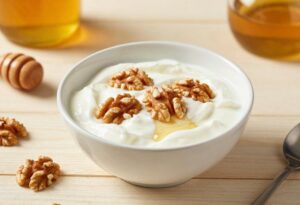
Greek yoghurt bowl with walnuts and honey
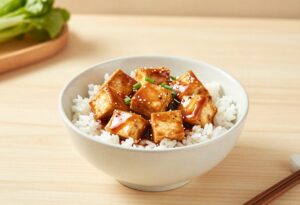
Tofu teriyaki bowl
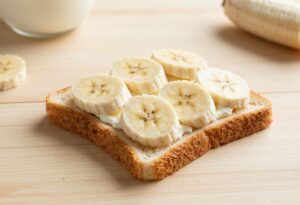
High-protein fromage blanc and banana toast

Chicken teriyaki with rice
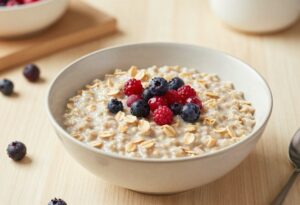
Oat porridge with berries
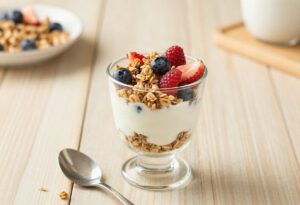
Yoghurt, granola and fruit parfait
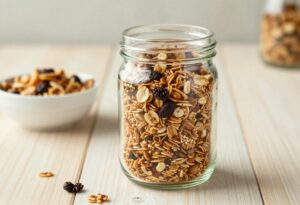
Homemade protein granola
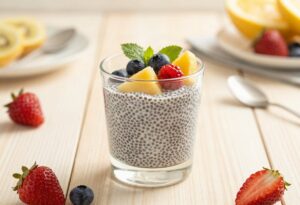
Protein chia pudding

High-protein skyr and fruit bowl
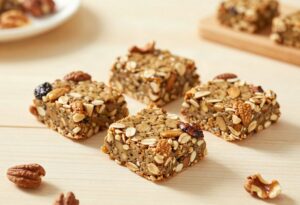
Homemade protein bars
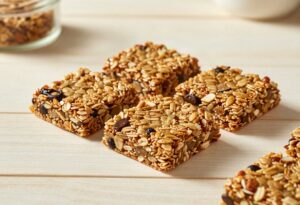
Homemade cereal bars
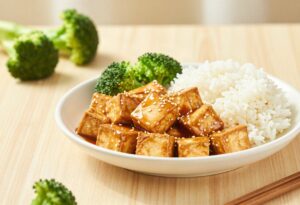
Light General Tso’s Tofu
Guides about honey
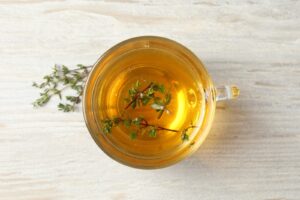
Thyme tea: dangers, contraindications and the right dose

Agave syrup: healthier than sugar? The composition in numbers
Honey and diabetes: a sugar like any other, the figures
Honey in pregnancy: allowed, and the one precaution that matters