Group · Starchy foods
Millet
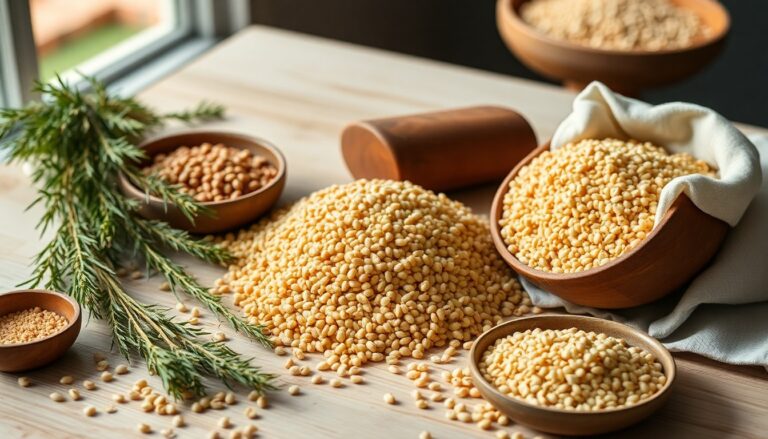
Millet is an ancient, naturally gluten-free cereal, cultivated for thousands of years in Africa and Asia. As small, round, golden grains, it is cooked rather like semolina or rice, and swells nicely when cooked. It is found as grains, flakes or flour, which makes it very versatile in the kitchen. Once cooked, millet provides around 119 kcal per 100 g, with complex carbohydrates, plant protein and fibre. Mild and slightly nutty, it fits easily into a balanced diet, as a side or as the base of complete dishes. It is a great alternative to the usual starchy foods for ringing the changes.
Macronutrient breakdown
Nutrition table per 100 g
| Calories | 119 kcal |
| Kilojoules | 498 kJ |
| Protein | 3,6 g |
| Carbohydrate | 23,7 g |
| Fat | 1 g |
| Fibre | 1,3 g |
Micronutrients per 100 g
All measured nutrients, ranked by share of the daily reference intake.
- Copper0,16 mg16 %
- Phosphorus100 mg14 %
- Manganese0,27 mg14 %
- Magnesium44 mg12 %
- Vitamin B10,11 mg10 %
- Zinc0,91 mg9 %
- Vitamin B31,33 mg8 %
- Vitamin B60,11 mg8 %
See the other 8 nutrients
- Vitamin B20,08 mg6 %
- Iron0,63 mg5 %
- Potassium62 mg3 %
- Vitamin B50,17 mg3 %
- Selenium0,9 µg2 %
- Vitamin K10,3 µg0 %
- Calcium3 mg0 %
- Vitamin E0,02 mg0 %
USDA FoodData Central (SR Legacy)
Tips
Millet has a thousand uses, from savoury to sweet. Allow a portion of around 60 to 80 g of raw grains per person, a good plateful once cooked. Rinse the grains, then cook them in twice their volume of water for about fifteen minutes, until fully absorbed. You can also lightly dry-toast it before cooking to develop its hazelnut taste. As a porridge made with plant-based milk in the morning, as a warm tabbouleh with herbs and vegetables, or as golden pan-fried patties, it adapts to every craving.
Nutrition facts and benefits: with around 23.67 g of carbohydrate, 3.51 g of protein, 1 g of fat and nearly 1.3 g of fibre per 100 g cooked, millet provides gradual energy. It supplies magnesium, phosphorus, iron and B vitamins. Naturally gluten-free, it suits those who need to manage a gluten intolerance, just like quinoa or buckwheat.
- Winning pairings: combine it with pulses (lentils, chickpeas) for complementary protein.
- Storage: dry grains keep for months away from light; once cooked, it keeps for 3 days in the fridge and suits batch cooking well.
- Glycaemic index: moderate, especially when eaten with fibre and good fats.
For active people: millet is an excellent reservoir of complex carbohydrates to replenish glycogen stores. As a snack or meal 2 to 3 hours before exercise, it provides steady energy. After training, pair it with a source of protein (egg, poultry, tofu, or a post-training shaker) to support recovery. Its digestibility makes it an interesting starchy food for both bulking and maintenance phases.
Weight control: its calorie density is reasonable, but keep an eye on quantities and on additions (butter, sweet sauces, syrups). Choose gentle cooking and accompaniments rich in vegetables. To compare intakes with other starchy foods, see the calorie table or explore the starchy foods family to vary your plate smartly.