Group · Nuts & seeds
Peanut butter
Peanut butter is a spread made by grinding roasted peanuts. Smooth or crunchy, it is popular for its plant protein and healthy fats. A star of sports nutrition, it is also very high in calories: enjoy it in small amounts and choose one without added sugar or palm oil.
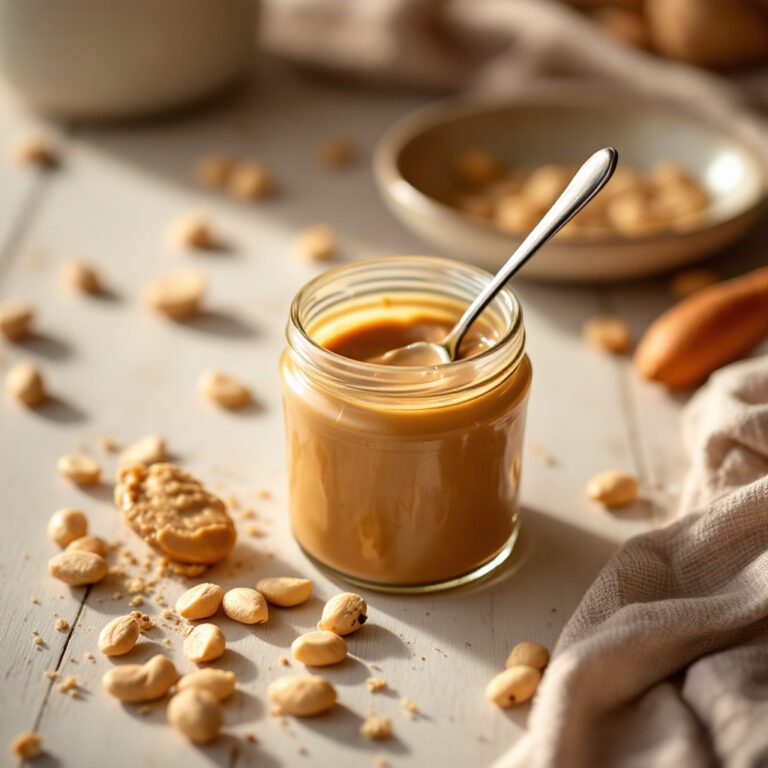
Macronutrient breakdown
Nutrition table per 100 g
| Calories | 643 kcal |
| Kilojoules | 2670 kJ |
| Protein | 25,4 g |
| Carbohydrate | 17,3 g |
| Fat | 51,4 g |
| Fibre | 5 g |
Micronutrients per 100 g
All measured nutrients, ranked by share of the daily reference intake.
- Omega-6 LA12,2 g122 %
- Manganese1,67 mg84 %
- Vitamin B313,1 mg82 %
- Vitamin E9,1 mg76 %
- Phosphorus335 mg48 %
- Magnesium168 mg45 %
- Copper0,42 mg42 %
- Vitamin B60,44 mg31 %
- Vitamin B9dietary folate equivalents87 µg
See the other 11 nutrients
- Potassium558 mg28 %
- Zinc2,51 mg25 %
- Vitamin B51,14 mg19 %
- Vitamin B10,15 mg14 %
- Vitamin B20,19 mg14 %
- Selenium7,2 µg13 %
- Iron1,74 mg12 %
- Calcium49 mg6 %
- Omega-3 ALA0,03 g1 %
- Iodine1,25 µg1 %
- Vitamin K10,3 µg0 %
Anses Ciqual 2025. Source: Anses, 2025, Ciqual food composition table
Tips
You can spread peanut butter on wholemeal bread, add it to porridge, smoothies and sauces (as in pad thai), or use it to flavour snacks such as homemade cereal bars.
- Nutrition facts: rich in plant protein, unsaturated fat, fibre and magnesium.
- If you exercise: excellent for meeting your energy needs when bulking; a spoonful as a snack combines protein and healthy fats.
Read the label: the best peanut butter contains nothing but peanuts (100%), with no added sugar or oil. Like almond butter, it belongs to the Nuts & Seeds family.
Sources
Average nutritional values per 100 g, for guidance only (may vary between brands and recipes).
Recipes with peanut butter
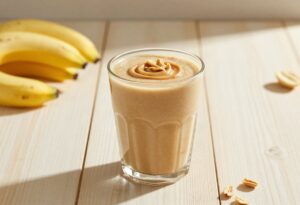
Banana and peanut butter protein smoothie
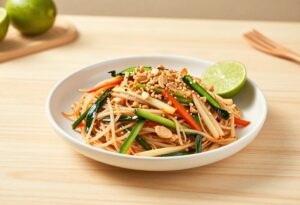
Vegetable pad thai

High-protein oat cookies
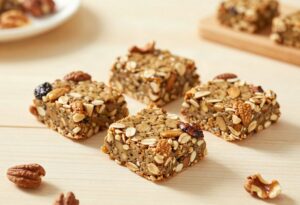
Homemade protein bars
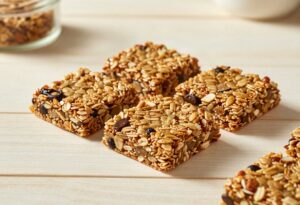
Homemade cereal bars
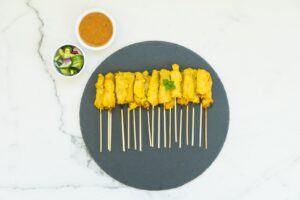
Chicken satay skewers with peanut sauce
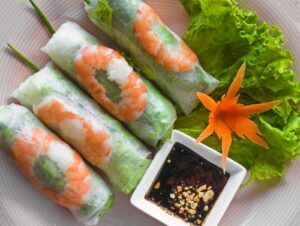
Prawn summer rolls
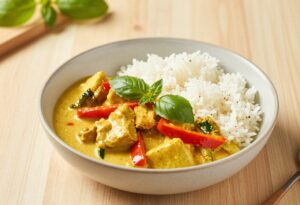
Vegetable panang curry
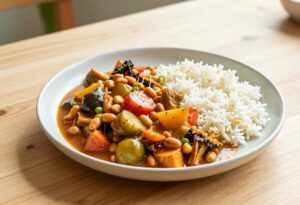
Vegetable and peanut mafé
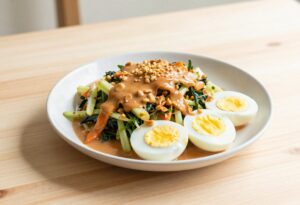
Gado-gado (Indonesian salad)