Plant protein: sources, benefits and good food combinations
Plant protein is playing an ever bigger role on our plates, whether you are vegetarian, vegan or simply keen to vary your intake. Well chosen and well combined, it easily covers your protein requirements, while also providing fibre and micronutrients.
👉 Free tool: Calorie deficit – calculate it in 30 seconds, no sign-up needed.
Why bet on plant protein?
Unlike animal protein, plant sources come with fibre, healthy fats and plenty of antioxidants, and they contain no cholesterol. They are also cheaper and kinder to the environment. Eating them regularly, even if you are not vegetarian, is a healthy habit.
The best sources
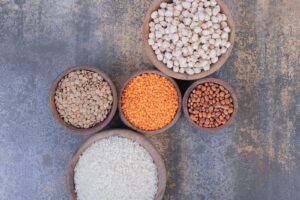
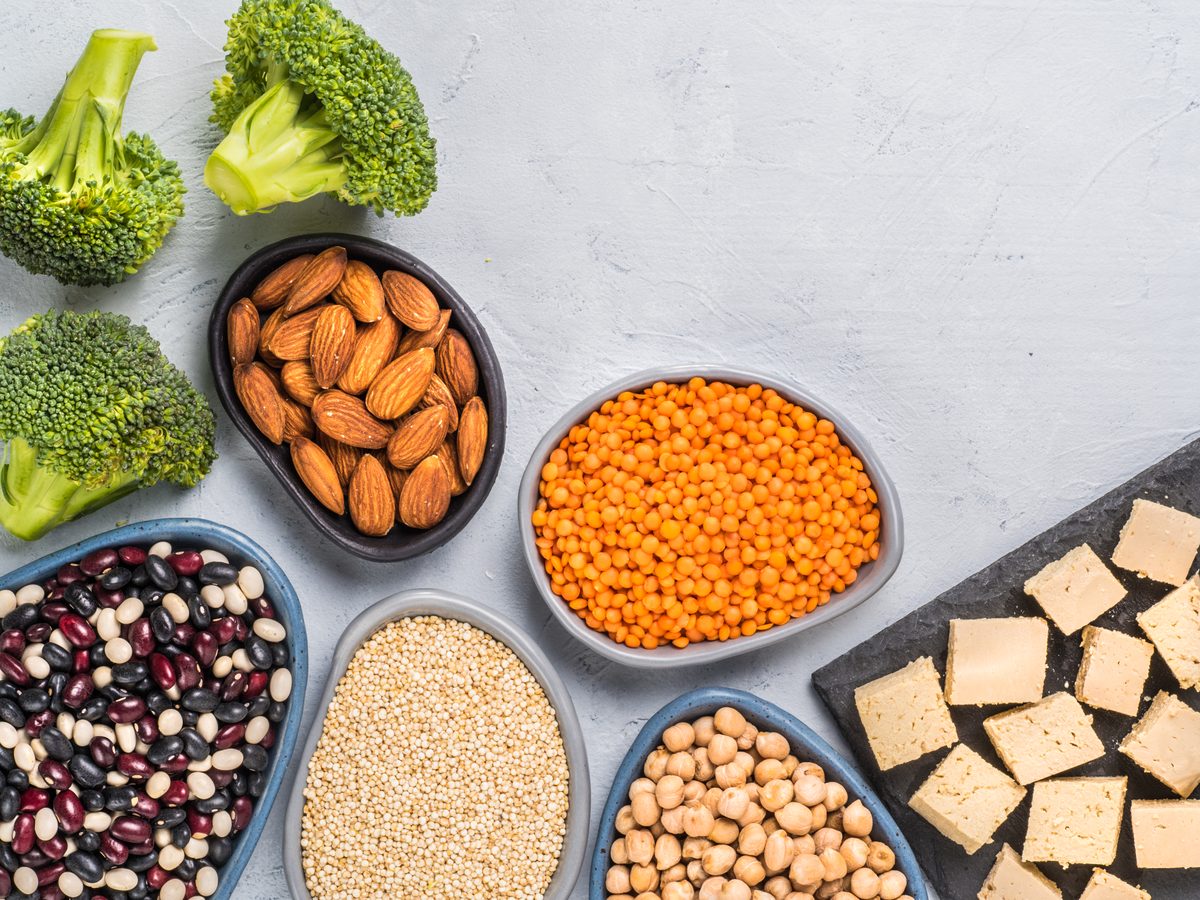
- Pulses: lentils, chickpeas, beans, edamame.
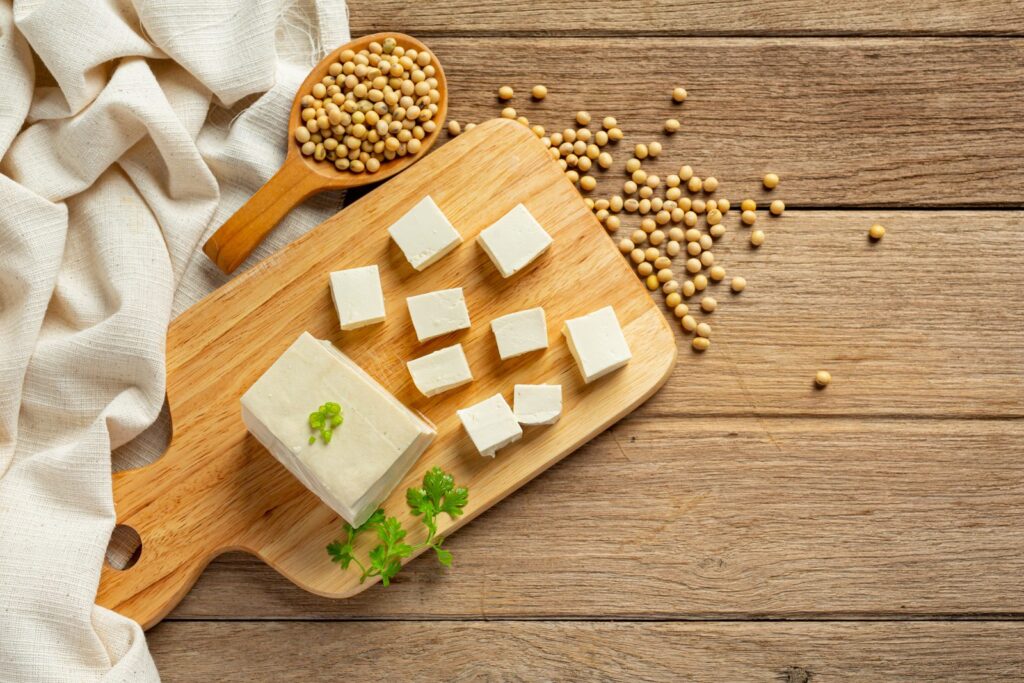
- Soya and its derivatives: tofu, tempeh.
- Wholegrain cereals: quinoa, buckwheat, oats.
- Nuts and seeds: almonds, walnuts, peanut butter, almond butter.
The rule of combining
Most plant proteins are described as « incomplete »: they lack one or more essential amino acids. The solution is simple: combine a pulse and a cereal over the course of the day (rice + lentils, couscous + chickpeas, bread + hummus). Their amino acids complement each other to form a complete protein, just like in a meat dish. Quinoa and soya are already complete.
Recipe ideas rich in plant protein
Put it into practice with the lentil dhal, the chilli sin carne (beans + rice), the homemade hummus or the tofu teriyaki bowl. Find all our ideas in the vegetarian, vegan and high-protein recipes.
Diabetic? Pulses lowered HbA1c in a randomised trial: see lentils and diabetes.
Further reading
Recipes to try: Egyptian koshari, Moroccan harira, Ash reshteh (Persian pulse soup)