Group · Meat
Pheasant leg
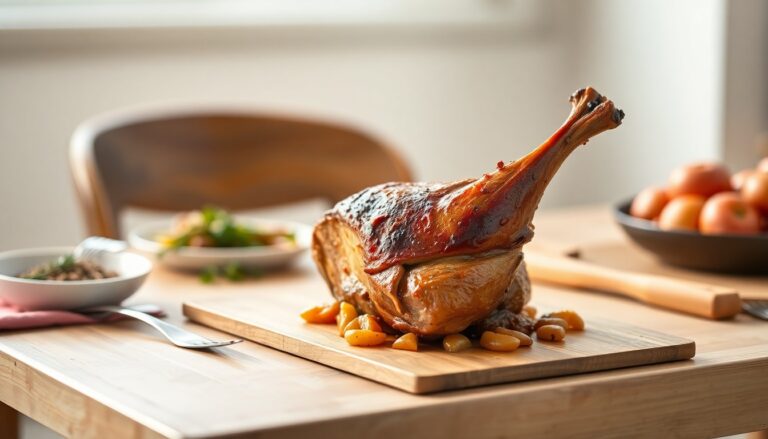
The pheasant leg is a cut of feathered game appreciated for its flavoursome meat, slightly more aromatic and firm than that of the breast. The pheasant, an emblematic bird of autumn and winter tables, offers a lean, tasty meat, halfway between standard poultry and wild game. The leg, darker than the fillet, concentrates character and remains reasonable in calories: about 126 kcal per 100 g. With 23.2 g of protein and only 3.73 g of fat, it fits easily into a balanced diet. Carbohydrate-free and rich in quality protein, it is an interesting option for varying your animal sources and adding interest to your seasonal meals.
Macronutrient breakdown
Nutrition table per 100 g
| Calories | 126 kcal |
| Kilojoules | 533 kJ |
| Protein | 23,2 g |
| Fat | 3,8 g |
Micronutrients per 100 g
All measured nutrients, ranked by share of the daily reference intake.
- Vitamin B60,72 mg51 %
- Vitamin B36,36 mg40 %
- Phosphorus231 mg33 %
- Vitamin B120,82 µg33 %
- Selenium14 µg25 %
- Vitamin B50,95 mg16 %
- Potassium261 mg13 %
- Vitamin B20,16 mg11 %
See the other 12 nutrients
- Zinc1,02 mg10 %
- Iron1,22 mg9 %
- Vitamin C5,83 mg7 %
- Copper0,07 mg7 %
- Vitamin B10,08 mg7 %
- Omega-6 LA0,55 g6 %
- Magnesium20,3 mg5 %
- Omega-3 ALA0,08 g4 %
- Iodine5 µg3 %
- Vitamin B96,5 µg3 %
- Calcium14,3 mg2 %
- Manganese0,02 mg1 %
Anses Ciqual 2025. Source: Anses, 2025, Ciqual food composition table
Tips
Pheasant leg needs controlled cooking because its low-fat meat can dry out. Favour slow, gentle cooking: braised in wine and aromatics, stewed in a casserole with mushrooms, bacon lardons and onions, or roasted, basting regularly. A prior marinade (oil, herbs, juniper berries, thyme) tenderises the meat and limits drying. Allow one leg per person as a main course, served with seasonal vegetables or chestnuts for a complete, indulgent meal.
In terms of nutrition facts, pheasant leg is a concentrate of protein (23.2 g per 100 g) with a moderate amount of fat (3.73 g) and zero carbohydrate. It also provides iron, zinc and B vitamins, useful for energy. Its glycaemic index is zero, which makes it an asset for meals with a controlled glycaemic load. To compare its calories with other meats, you can see our food calorie table.
If you are looking to vary, pheasant is similar to other game and fine poultry such as guinea fowl, quail or venison. You will find all the cuts in the meat family, enough to put together balanced menus throughout the hunting season.
For active people, pheasant leg is an excellent source of lean protein to support muscle recovery after exercise. Its good protein-to-fat ratio makes it a meat suited to cutting phases as well as clean bulking meals, to be paired with a portion of starchy foods (rice, sweet potato) to replenish glycogen stores. As a snack or at dinner, it provides amino acids without excess calories. To go further on protein needs, take a look at our feature on fitness nutrition.
- Recommended portion: one leg (about 100 to 150 g) per person.
- Storage: 1 to 2 days in the fridge, several months in the freezer.
- Smart pairings: green vegetables, mushrooms, cabbage or homemade mash.
- Weight control: avoid creamy sauces and overly fatty cooking that push up the calorie count.
Well prepared, pheasant leg remains light, full of flavour and perfectly compatible with a weight-loss plan or a performance goal. Rely on aromatic seasonings rather than fats to enjoy all its benefits without excess.