Group · Meat
Venison
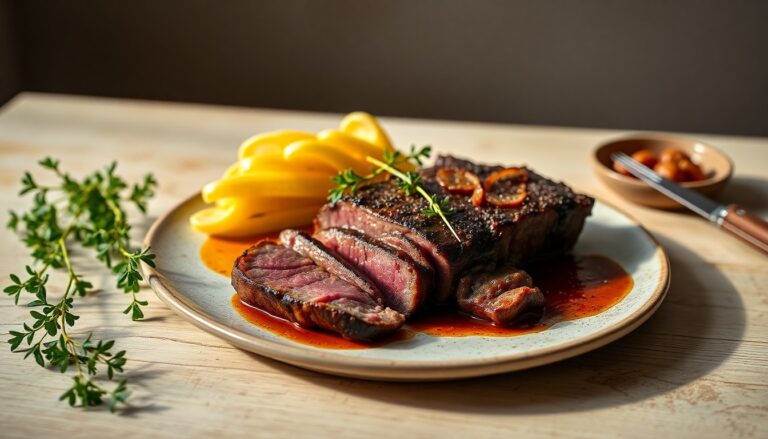
Venison (here, roe deer) is a game meat prized for its finesse and refined character. Coming from hunting or farming, it belongs to the large family of red meats, alongside other game such as wild boar. Its dark, dense, flavoursome flesh has a slightly musky taste and is cooked as haunch, fillet, saddle or casserole. Nutritionally, venison stands out for a remarkable protein content (about 32.6 g per 100 g) combined with very little fat (4.8 g) and no carbohydrate. With only 158 calories per 100 g, it is a lean meat that fits easily into a balanced and well-structured diet.
Macronutrient breakdown
Nutrition table per 100 g
| Calories | 174 kcal |
| Kilojoules | 732 kJ |
| Protein | 32,6 g |
| Fat | 4,8 g |
Micronutrients per 100 g
All measured nutrients, ranked by share of the daily reference intake.
- Vitamin B20,65 mg46 %
- Vitamin B60,65 mg46 %
- Iron6,14 mg44 %
- Vitamin B36,11 mg38 %
- Phosphorus258 mg37 %
- Zinc3,33 mg33 %
- Copper0,33 mg33 %
- Vitamin B120,8 µg32 %
See the other 9 nutrients
- Vitamin B10,2 mg18 %
- Potassium348 mg17 %
- Selenium8,9 µg16 %
- Magnesium28,5 mg8 %
- Vitamin B96 µg3 %
- Iodine4 µg3 %
- Vitamin K12 µg3 %
- Calcium18 mg2 %
- Manganese0,04 mg2 %
Anses Ciqual 2025. Source: Anses, 2025, Ciqual food composition table
Tips
Venison is traditionally cooked in autumn and winter, during the hunting season. The prime cuts (fillet, noisettes, saddle) are pan-fried or roasted, seared over a high heat to keep them tender, while the shoulder and neck suit casseroles or long, slow braising. To soften the pronounced gamey taste, a marinade of red wine, juniper berries, thyme and bay leaf is ideal. Aim for a pink finish to keep the tenderness of a naturally lean meat, which dries out quickly if overcooked.
As for nutrition facts, venison is an excellent ally: its 32.6 g of protein for only 158 kcal make it a meat of choice for fullness and for maintaining muscle mass. It provides well-absorbed haem iron, zinc and B vitamins, all with a zero glycaemic index since it contains no carbohydrate. For a complete meal, pair it with seasonal vegetables (red cabbage, mushrooms, parsnips) and starchy foods such as fresh pasta or celeriac mash.
For active people, this lean meat is valuable when cutting or lean bulking: rich in protein and low in fat, it helps muscle recovery after exercise without adding to your calorie intake. Serve it on the evening after a big session, with complex carbohydrates to replenish your reserves. If you want to top up your protein intake over the day, you can take inspiration from the ideas for protein snacks.
- Recommended portion: 120 to 150 g per meal for an active adult.
- Storage: 2 to 3 days in the fridge, or several months in the freezer; game freezes very well.
- Cooking: choose quick searing or gentle, slow simmering for the tougher cuts.
For weight control, venison remains one of the most interesting meats thanks to its low calorie density. Beware of the preparations, though: grand veneur sauces, bacon or cream quickly add calories. Compare its figures with other meats using the food calorie table. If you enjoy game, also explore wild boar or discover all the meats in the guide to vary your protein sources.