Group · Pulses
Pigeon peas
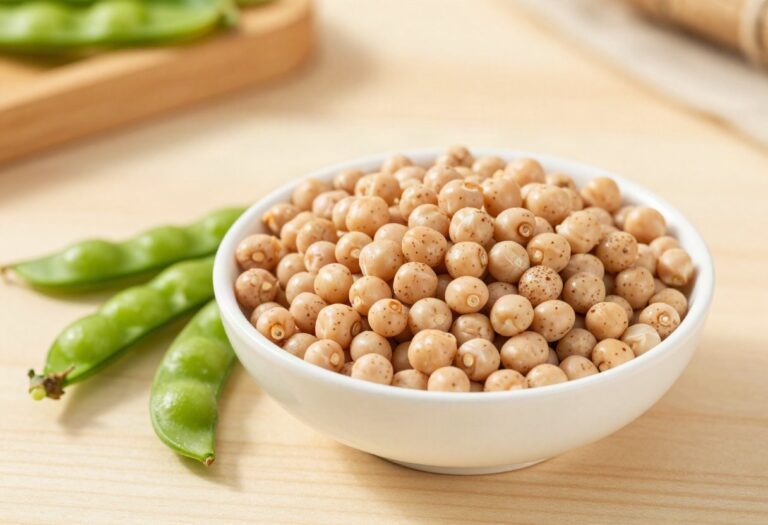
The pigeon pea, also known as red gram, gungo pea or Congo pea, is a pulse grown in tropical regions, notably India, Africa and the Caribbean. It is eaten fresh, dried or tinned, as small beige to brownish seeds with a slightly nutty taste. Versatile in the kitchen, it turns up in stews, dals, soups and as a side with rice. With around 121 kcal per 100 g, it offers 6.76 g of protein, 23.25 g of carbohydrate, very little fat (0.38 g) and 6.7 g of fibre. Like most pulses, the pigeon pea naturally has its place in a balanced diet, as a plant-based alternative to animal protein.
Macronutrient breakdown
Nutrition table per 100 g
| Calories | 121 kcal |
| Kilojoules | 506 kJ |
| Protein | 6,8 g |
| Carbohydrate | 23,3 g |
| Fat | 0,4 g |
| Fibre | 6,7 g |
Micronutrients per 100 g
All measured nutrients, ranked by share of the daily reference intake.
- Copper0,27 mg27 %
- Manganese0,5 mg25 %
- Potassium384 mg19 %
- Phosphorus119 mg17 %
- Vitamin B10,15 mg13 %
- Magnesium46 mg12 %
- Zinc0,9 mg9 %
- Iron1,11 mg8 %
See the other 6 nutrients
- Calcium43 mg5 %
- Vitamin B50,32 mg5 %
- Selenium2,9 µg5 %
- Vitamin B30,78 mg5 %
- Vitamin B20,06 mg4 %
- Vitamin B60,05 mg4 %
USDA FoodData Central (SR Legacy)
Tips
The pigeon pea is simple to cook and suits many recipes. Dried, it needs soaking for several hours, then cooking in simmering water. Fresh or tinned, it is ready more quickly and keeps a tender texture, ideal in a curry, a spiced purée or a warm salad. Allow about 150 to 200 g cooked per portion for a meal, replacing some or all of an animal protein source.
Nutrition facts and benefits. The pigeon pea stands out for its richness in plant protein (6.76 g per 100 g) and fibre (6.7 g), which promote fullness and digestive comfort. Its complex carbohydrates and moderate glycaemic index make it a source of steady energy. It also provides minerals such as potassium, magnesium and iron, as well as B vitamins. To improve iron absorption, pair it with a source of vitamin C (lemon juice, pepper, tomato).
- Pair it with a cereal such as rice to get complete protein.
- Lift it with cumin, turmeric, ginger or coriander.
- Store dried seeds in a dry place, away from light.
- Favour gentle cooking to preserve its nutrients.
Advice for active people. The pigeon pea is a useful ally for combining carbohydrate and protein in a single food. Before endurance exercise, its slow-release carbohydrates provide lasting energy. After training, paired with a cereal or tofu, it contributes to muscle rebuilding. If you are looking for varied protein sources, also explore lentils and chickpeas, rich in fibre and easy to work into your meals.
Weight control. With around 121 kcal per 100 g cooked, the pigeon pea remains reasonable in calories while being very filling thanks to its fibre, an asset if you are trying to lose weight. Watch how you prepare it, though: fatty sauces, or too much butter or oil, can quickly push up the calorie count. Favour seasonings based on spices and herbs. To discover other nourishing pulses and how to use them, browse the pulses family, and easily compare energy content with the food calorie table.