Group · Pulses
Soya beans
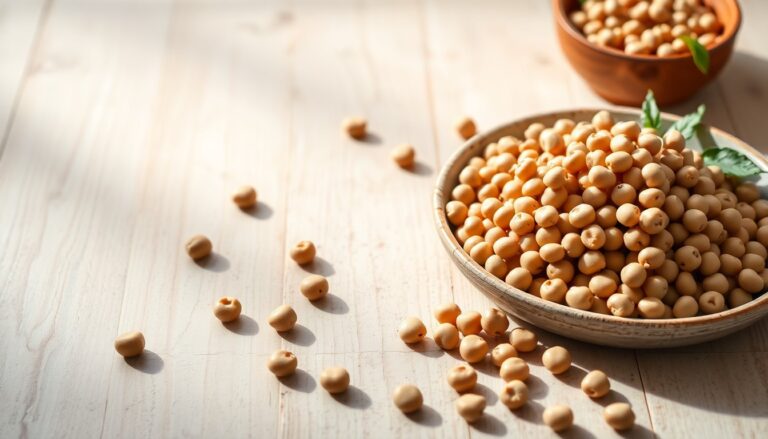
The soya bean is one of the most versatile legumes and one of the richest in plant protein. Cultivated for thousands of years in Asia, it comes in many forms: dried beans, tofu, tempeh, edamame, soya drink, sauce or flour. With around 446 kcal, 36.5 g of protein, 30.2 g of carbohydrate, 19.9 g of fat and 9.29 g of fibre per 100 g, soya offers a unique nutritional profile in the plant world. It provides a so-called complete protein, containing all the essential amino acids. Popular with vegetarians, active people and anyone keen to vary their intake, it naturally finds its place in a balanced, creative everyday diet.
Macronutrient breakdown
Nutrition table per 100 g
| Calories | 446 kcal |
| Protein | 36,5 g |
| Carbohydrate | 30,2 g |
| Fat | 19,9 g |
| Fibre | 9,3 g |
Tips
Soya has a thousand uses. Dried beans need to soak for several hours and then cook for a long time before being added to stews, salads or patties. You can also make the most of its derivatives: stir-fried tofu, grilled tempeh, steamed edamame as a nibble, or soya drink in your smoothies. Soya flour boosts the protein in bread and baking, while soy sauce lifts sauces and marinades if used sparingly (watch the salt).
In terms of nutrition facts, soya stands out for its exceptional content of plant protein and fibre, which promote fullness. It also provides minerals such as iron, magnesium and potassium, as well as fats that are mostly unsaturated. Its moderate glycaemic index makes it a useful ally for managing energy over time.
- Portions: a portion of 60 to 80 g of raw beans (dry weight) is plenty per meal. As the beans are calorific, measure them out sensibly if you are trying to lose weight.
- Pairings: combine soya with wholegrain cereals for complete meals, or with colourful, crunchy vegetables.
- Storage: keep dried beans away from light and moisture; tofu keeps in the fridge in its water.
For active people, soya is a valuable source of complete protein, useful for muscle recovery and on a plant-based or flexitarian diet. You can include it in a post-training snack, pair it with a soya drink or top up your intake with other options from the protein powder and how to use it guide. To adapt your meals around exercise, the article on fitness nutrition gives concrete pointers.
Soya belongs to a very varied family. Discover other legumes such as lentils or chickpeas to diversify your plant protein sources.
Something to watch: at 446 kcal per 100 g, soya is calorie-dense. Choose gentle cooking methods without too much fat, and keep an eye on processed versions (salty sauce, sweetened soya products). Well integrated and varied, it remains an excellent asset for a balanced, protein-rich diet.