Exercise and heart health: how can you strengthen your heart?

A sedentary lifestyle wears down your heart without you noticing. Exercise and heart health are closely linked: regular activity cuts the risk of heart attack linked to abdominal obesity by 20% and lowers blood pressure by 4 to 5 mm Hg. Find out how walking or cycling strengthens the heart, improves circulation and reduces cardiovascular risk. Learn how to choose the right activity, adjust the intensity to your age and build movement into your day, even if you are not sporty. The best remedy? The one you do regularly. Ready to make your heart an ally?
👉 Free tool: Calories burned – calculate it in 30 seconds, no sign-up needed.
- Why is exercise essential for your heart health?
- How does physical activity actually protect the heart?
- Which physical activity should you choose, and how often?
- What precautions should you take before getting started?
- Is high-dose exercise always good for the heart?
- How can you fit more movement into your day, even if you are not sporty?
Why is exercise essential for your heart health?
The human body is not designed for a sedentary lifestyle. The heart, bones and muscles all need movement to work properly. The heart in particular is a muscle made up of cardiomyocytes, specialised cells capable of rapid, involuntary contractions. These cells, rich in mitochondria, produce energy (ATP) to keep working continuously. Without regular physical activity, these cells become less efficient, the heart has to work harder, and its ability to pump blood declines.
Physical inactivity, often combined with a rich diet, promotes abdominal obesity. This build-up of visceral fat around the organs releases inflammatory substances and disrupts metabolism. It doubles the risk of cardiovascular disease. According to the data, every extra centimetre around the waist increases the risk of myocardial infarction (heart attack) by 20%. In France, a waist measurement above 94 cm for men and 80 cm for women indicates a higher risk of type 2 diabetes, high blood pressure or metabolic syndrome. A sedentary lifestyle is even responsible for 9% of premature deaths worldwide.
Regular physical activity strengthens the heart muscle, improves tissue oxygenation and widens the arteries. It reduces insulin resistance, lowers blood pressure by 4 to 5 mm Hg on average, and reduces triglycerides. Even a gentle return to activity, such as a daily 30-minute walk, improves blood circulation and cell regeneration. So how do you build a suitable routine to get the most from these benefits?
How does physical activity actually protect the heart?
The heart is a muscle that, like the biceps or abdominals, gets stronger with exercise. During regular effort, the myocardium thickens and pumps more blood with each beat. The result: the heart beats more slowly at rest and during exercise. A marathon runner can have a pulse of 40 beats per minute, compared with 60 to 100 for a sedentary adult. This improvement comes from greater efficiency: each heart contraction carries more blood, reducing the rate needed to supply the body.
Blood circulation benefits from these improvements too. The vessels become more elastic thanks to increased secretion of nitric oxide, a natural vasodilator. This flexibility lowers blood pressure by 4 to 5 mm Hg, an effect comparable to medication. Blood flows more easily, limiting the risk of blockage by clots. Regular effort also stimulates the formation of new capillaries, improving microcirculation in the tissues.
- Reduced insulin resistance: The body uses blood sugar better, lowering the risk of type 2 diabetes by 30%. This disease weakens the arteries and promotes atherosclerosis.
- Higher HDL cholesterol: The « good » cholesterol clears fatty deposits from the arteries by carrying them back to the liver for removal, reducing the risk of atherosclerosis.
- Lower triglycerides: These excess fats in the blood are linked to cardiovascular events. Exercise reduces them by 20 to 30% by activating enzymes that break down fats.
Beyond the physiological mechanisms, exercise acts on stress and sleep. Effort releases endorphins, anti-stress hormones, and activates the parasympathetic nervous system, which slows the heart rate. Deep sleep, helped by physical tiredness, triggers cell repair and protects the condition of the blood vessels. Regular moderate activity improves sleep quality by 25%, limiting night-time waking linked to anxiety.
But the effort must be suitable. Weight training that is too intense can cause dangerous spikes in blood pressure (up to 250 mmHg systolic). By contrast, a daily 30-minute walk or swimming, done gently, gives the best benefits without overloading the cardiovascular system. For people who are sedentary, a gradual return improves blood circulation and lung capacity quickly. Activities such as cycling or dancing, from 15 to 30 minutes a day, work the legs and promote efficient venous return.
Which physical activity should you choose, and how often?
Endurance sports: your heart’s allies
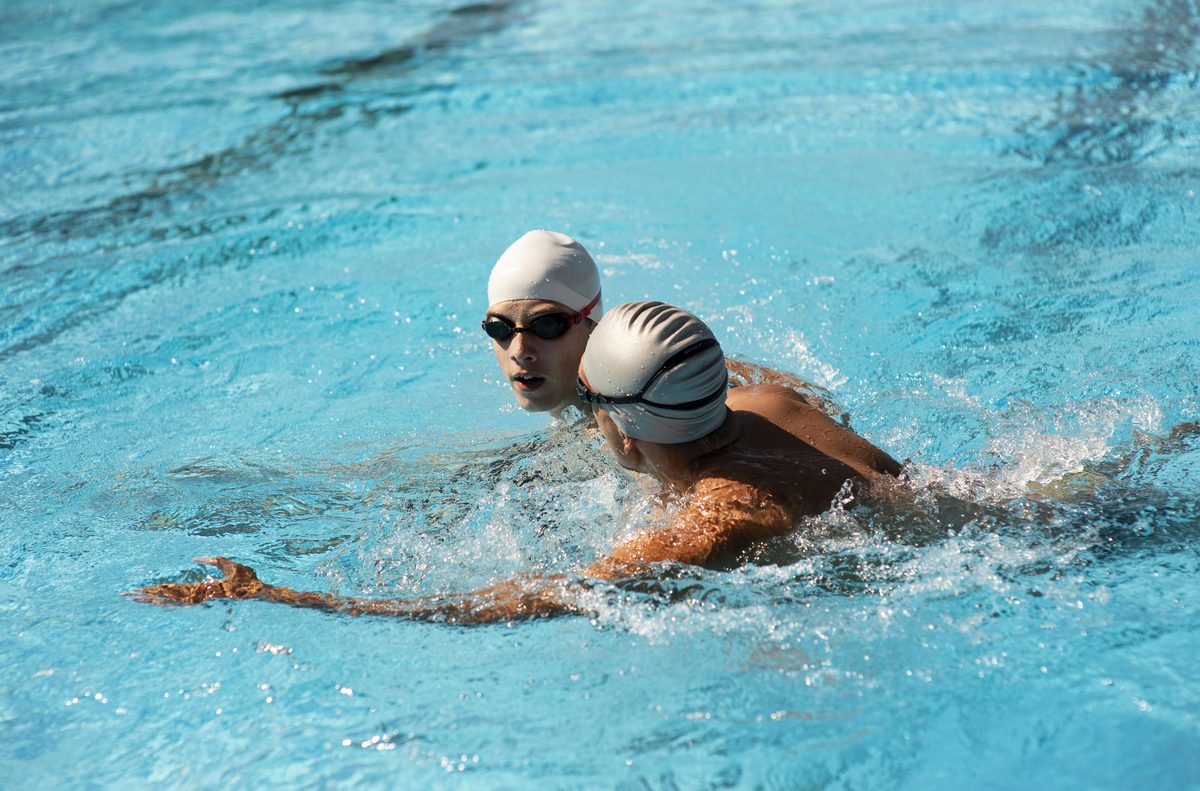
Regular physical activity strengthens the heart muscle, improves blood circulation and reduces the risk of cardiovascular disease. Endurance sports are particularly effective for these benefits. The four main activities are swimming, cycling, brisk walking and running. Each sport has its own features: swimming is gentle on the joints, cycling puts little strain on the knees, brisk walking is accessible to everyone, while running builds endurance. Other options such as aqua aerobics or cross-country skiing are also worthwhile. The choice depends on your preferences: only an activity you do regularly, and therefore enjoy, brings lasting results.
Frequency and duration: recommendations for the best benefits
To optimise heart health, follow these simple guidelines:
- Frequency: exercise 4 to 7 days a week.
- Duration: 30 minutes a day, which can be split into two 15-minute sessions.
- Intensity: the effort should be moderate. You should be able to talk, but not sing.
These durations are a minimum threshold for improving blood circulation, reducing insulin resistance and lowering blood pressure by 4 to 5 mm Hg on average. Regular activity over 12 months can reduce morbidity by 25% in people aged 55 and over.
How do you start (or restart) gently?
Beginners and people coming out of a long period of inactivity should progress gradually. A weekly 15-minute walk is a first step. Then increase to 30 minutes per session. The end goal: three 30-minute sessions a week at a sustained pace. This approach reduces the risk of injury and lets the heart adapt. Older people or those with joint problems should favour swimming or cycling, which are low-impact activities. A medical consultation is recommended before starting if you have a history of cardiovascular problems.
Comparison table of recommended endurance sports
| Sport | Intensity | Impact on the joints | Accessibility / Equipment |
|---|---|---|---|
| Brisk walking | Low to moderate | Low | Very high / Good shoes |
| Running | Moderate to high | High | High / Good shoes |
| Cycling | Moderate | Very low | Medium / Bike, helmet |
| Swimming | Moderate | None | Medium / Pool access |
This table summarises the advantages and drawbacks of endurance sports. Brisk walking suits everyone, while running demands good fitness. Cycling and swimming, which are very accessible, suit more sensitive profiles. Each activity has its role: swimming improves venous circulation, cycling improves oxygenation, and running strengthens the heart muscle. The key is to find a balance between enjoyment and heart benefits.
What precautions should you take before getting started?
Medical advice: an essential step
Before returning to physical activity, medical advice is crucial. People over 40, those who have been sedentary for a long time and those with risk factors (smoking, high blood pressure) should see a doctor. The doctor checks whether the heart will cope with the effort. For patients with cardiovascular disease (coronary artery disease, heart failure), this step is mandatory. The doctor may prescribe tests to assess the condition of the heart. Without these checks, the risk of adverse events rises, especially after prolonged inactivity or with underlying conditions.
Key tests for safe exercise
The electrocardiogram (ECG) and the exercise stress test are the recommended tests. The ECG measures the electrical activity of the heart to detect abnormalities. The stress test, carried out on a treadmill or exercise bike, simulates physical activity to see how the heart responds. These tests determine safe intensity limits and identify risks (coronary artery disease, arrhythmias). For people at risk, these tests prevent unsuitable effort. Health professionals use the results to tailor the exercise programme, adjusting the frequency, duration and intensity of sessions.
Which sports should you avoid or approach with caution?
Intense activities such as tennis, squash or downhill skiing require a strict medical assessment. These sports involve sudden efforts, which are dangerous for an untrained heart. People who have had a heart attack should join a supervised cardiac rehabilitation programme. Violent exercise without preparation causes spikes in blood pressure or arterial spasms. It is better to favour moderate endurance sports (walking, swimming) and progress slowly. Health professionals advise you to avoid extreme activities without medical approval, especially if you have cardiovascular risk factors. A thorough warm-up and a gradual recovery phase are also essential to avoid drops in blood pressure or dizziness.
Is high-dose exercise always good for the heart?
It is proven that regular physical activity strengthens the heart muscle and improves blood circulation. Even so, excessive training can hide risks. In elite athletes, studies have observed signs of cardiac fatigue after intense effort, such as a temporary rise in troponin, a marker of myocardial damage. These effects, although generally reversible, could in the long term promote complications such as atrial fibrillation. This heart rhythm disorder, 4 to 5 times more common in men who do endurance sport, shows up as palpitations or unexplained breathlessness.
These risks nonetheless affect a minority of extreme exercisers. For most people, the benefits of moderate activity far outweigh the dangers. A lower resting heart rate, better blood pressure regulation and lower triglycerides are concrete examples. The key is to match your abilities: listen to your body, favour consistency over performance, and see a doctor if in doubt. In short, exercise remains a valuable ally for the heart, provided you respect your limits and take a personalised approach.
How can you fit more movement into your day, even if you are not sporty?
Tackling a sedentary lifestyle: every move counts
Not sporty? Don’t panic. The heart benefits from simple movements such as a brisk walk, energetic housework or gardening. Did you know that sitting for more than 8 hours a day increases cardiovascular risk?
One year of gentle exercise after the age of 55 reduces morbidity by 25%. Even without intense effort, every move counts: tidying up, carrying light loads or climbing stairs all stimulate blood circulation.
Adapting your activity to your age and condition
Children (5 and over) need 60 minutes of activity a day. Adults should aim for 30 minutes of brisk walking 5 times a week. Older people should focus on consistency to keep their independence.
Daily activity lowers blood pressure and reduces the risk of type 2 diabetes. Lower disease risk, a stronger heart: consistency matters more than intensity.
Simple habits to move more
Adopt these easy habits:
- Stairs instead of the lift: one floor a day strengthens the heart.
- Cycle or walk for short journeys: 10 minutes of effort reduces heart attack risk by 20%.
- Get off one stop early: 15 minutes of active walking stimulates circulation.
- Stand up every hour: 2 to 3 minutes of movement prevent clogging of the arteries.
These habits strengthen the heart without any need for performance. Consistency, the key to reducing cardiovascular risk, takes 21 days to build.
Exercise strengthens the heart, reduces cardiovascular risk and improves quality of life. By adopting regular physical activity, however modest, and favouring active habits in daily life, anyone can prevent disease and gain lasting vitality. The essentials? Start gently, vary what you enjoy and listen to your body.

FAQ
What are the early signs of a heart that is gradually weakening?
The signs of a struggling heart can be subtle. They include unusual tiredness, breathlessness even at rest, irregular or painful palpitations, and mild but recurring chest pain. These symptoms often appear after moderate effort and go away with rest. If these signs persist, see a doctor to rule out underlying conditions.
How does physical activity affect heart health?
Regular exercise strengthens the heart muscle (myocardium), improves blood circulation and lowers blood pressure by 4 to 5 mm Hg on average. It thins the blood, lowers triglycerides and raises the good cholesterol (HDL). In the long term, this prevents atherosclerosis and reduces the risk of clots. At the same time, the heart becomes more efficient, beating more slowly at rest, a sign of better fitness.
Which sports are the most beneficial for heart health?
Endurance sports are ideal: swimming, cycling, brisk walking and running. They work the heart gently and strengthen its ability to pump blood. Activities such as aqua aerobics, cross-country skiing or gymnastics are also suitable. The key is to choose an activity you enjoy so that you keep it up, because consistency matters more than intensity.
What are the risks of excessive physical effort for the heart?
Effort that is too intense or prolonged can cause micro-tears in the heart muscle, similar to muscle soreness, with troponin released into the blood. In the long term, this can cause chronic damage such as atrial fibrillation (an arrhythmia). However, these risks mainly concern elite athletes. For most people, moderate training remains hugely beneficial.
How can you recognise the signs of a tired heart?
A tired heart shows itself through reduced vitality, difficulty climbing stairs without getting out of breath, irregular beats (palpitations), or a feeling of heaviness in the chest. These symptoms get worse with effort and are sometimes accompanied by dizziness. If these signs appear, a medical check-up is needed to rule out heart failure or coronary artery disease.
Which factors weaken heart health?
A sedentary lifestyle is the main risk factor, often combined with abdominal obesity, which doubles the risk of cardiovascular disease. Smoking, high blood pressure, diabetes and chronic stress also play a part. Finally, lack of sleep or an unbalanced diet (too much salt, too much saturated fat) speeds up the ageing of the arteries and the build-up of atheroma plaques.
Why do some athletes suffer heart attacks?
In athletes, heart attacks are rare but can happen. They are linked to micro-tears in the myocardium after extreme effort, to electrolyte imbalances (lack of potassium, magnesium) or to chronic damage such as atrial fibrillation. Aggravating factors include age (over 40), dehydration or poorly suited training. A medical check-up beforehand therefore remains crucial, especially if you are at risk.
Which sports help slow the heartbeat?
Moderate endurance activities such as brisk walking, yoga or swimming improve heart recovery and lower the resting heart rate. For example, in a trained person the pulse can fall from 70 to 50-60 bpm. These sports stimulate the parasympathetic nervous system, which governs the resting phase, while avoiding the adrenaline spikes of intense effort.
Why do you feel chest pain during exercise?
Heart pain during effort can have several causes: an insufficient blood supply (angina), muscle strain in the chest muscles, or irritation of the pericardium (the membrane around the heart). It can also reflect an inflammatory response after excessive effort. If the pain persists after you stop the activity, medical advice is essential to rule out a heart condition.


