The 5 Pillars of a Balanced Lifestyle
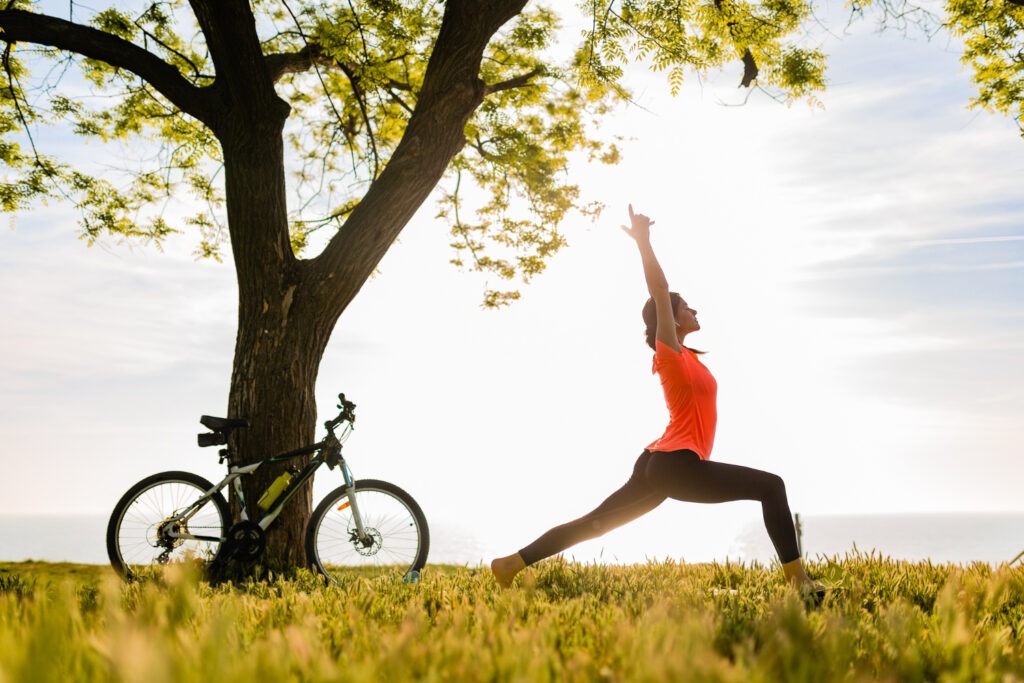
Do you feel overwhelmed by scattered advice on living more healthily? The pillars of a good lifestyle offer a clear, balanced method. Find out how habits such as enjoyable, healthy eating, restorative sleep (7 to 8 hours a night), regular physical activity or cutting down on toxins combine with calmer stress management to boost your energy, mind and body. Each pillar interacts with the others, forming a virtuous circle for a lasting, accessible lifestyle. Regain balance and vitality with these simple practices, adapted to your own pace.
👉 Free tool: Calories burned – calculate in 30 seconds, no sign-up.
- What is a good lifestyle and why is it essential?
- Pillar 1: Enjoyable, healthy eating
- Pillar 2: Movement, a necessity for body and mind
- Pillar 3: Quality sleep for optimal recovery
- Pillar 4: A healthy body in a healthy mind, psycho-emotional balance
- Pillar 5: A toxin-free daily life to protect your body
- How can you adopt these pillars for the long term without feeling overwhelmed?
- Towards a personal, lasting life balance
What is a good lifestyle and why is it essential?
What is a good lifestyle? Behind this concept lies a set of simple but powerful habits. These practices aim to protect your overall wellbeing, both physical and mental. Contrary to a common belief, it is not about following rigid rules, but about finding a balance that suits your daily life. It is a holistic approach in which every choice directly influences your overall health.
The benefits of a healthy lifestyle add up: more years lived in good health, greater vitality and prevention of chronic diseases. These benefits rest on five fundamental, closely interconnected pillars. You will see how food, physical activity, sleep, stress management and a healthy environment form an overall balance. Each pillar influences the others to create a virtuous circle, like a system in which the energy of one strengthens the rest. This synergy explains why neglecting one of them can affect your whole balance.
Pillar 1: Enjoyable, healthy eating
Why is food a fundamental pillar?
Food is the fuel for our body. It directly shapes our energy levels, mental wellbeing, sleep quality and physical fitness. A balanced plate has a positive effect on every aspect of life. Think of the body as a machine: without the right fuel, performance collapses. Enjoying your cooking then becomes a priority, not a chore.
How can you eat more healthily every day?
Cutting ultra-processed products down to 2 a day and drinking 1.5 litres of water daily is enough to kick-start a change. Choose varied, fresh, seasonal foods, favouring organic versions. Here are concrete steps towards lasting habits:
- Favour plant foods: Adopt a way of eating made up of 85% plant-based products and no more than 15% of animal origin.
- Add variety: Eat at least 20 different plant foods a week (vegetables, fruit, pulses, grains and so on).
- Choose simple products: Favour short ingredient lists, with fewer than 5 items.
If in doubt, remember that an incomprehensible ingredient list often hides industrial processing. Regular hydration, combined with colourful meals, boosts energy effortlessly. One study shows that getting fibre from plant foods reduces the risk of cardiovascular disease by 16%. Where to start? The evening meal is ideal for trying new recipes. For example, try a risotto with summer vegetables and spices: healthy, quick and tasty.
Pillar 2: Movement, a necessity for body and mind
Why are humans designed to move?
The human body is programmed for movement. Without physical activity, muscles, skeleton and the lymphatic and cardiovascular systems weaken. The WHO confirms that moving improves digestion, stabilises mood and reduces the risk of chronic disease. And if you thought sweating eliminates toxins, a 2021 study says otherwise: sweat is 99% water. The liver and kidneys already do the detox work.
So why move? Because regular physical activity stimulates blood circulation, calms the nervous system and strengthens immunity. One crucial detail: 1 person in 3 is insufficiently active, increasing their mortality by 20 to 30%.
What types of physical activity should you do?
| Type of activity | Intensity | Minimum frequency | Examples |
|---|---|---|---|
| Moderate activity | Slightly out of breath | 30 minutes, 5 days a week | Brisk walking, cycling, climbing stairs |
| Vigorous activity | Muscle fatigue | 20 minutes, 3 times a week | Jogging, swimming, gym sessions |
| Tackling sedentary behaviour | Very low | Every hour | Stand up and get moving for 2 minutes |
The WHO points out that regular physical activity reduces the risk of cardiovascular disease, diabetes and depression. Need to get started? Begin with short 5 to 10 minute sessions. And if you work sitting down, adopt the 60-minute rule: stand up every hour and walk for 2 minutes.
Women are 5% less active than men, and 80% of teenagers do not get enough exercise. But moving is not just for sportspeople: taking the stairs, walking to collect your post or doing housework all count. The message is clear: « move more, sit less« .

Pillar 3: Quality sleep for optimal recovery
Why is sleep such an important pillar?
Sleep is often underestimated, yet it is an essential pillar of health. Restorative sleep lets the body and mind recover fully. It directly affects alertness, concentration and memory. Good nights also strengthen motivation and creativity, the keys to a productive day. Lack of sleep, on the other hand, impairs these cognitive functions, affecting mood and efficiency. Despite its decisive effects, this pillar is still frequently neglected in daily routines.
Our tips for truly restorative sleep
To optimise sleep, you need to act on simple but effective habits. Here are the basics to build in:
- Get enough sleep: Aim for 7 to 8 hours of sleep a night. This allows full cycles, including the deep and REM sleep phases that are essential for recovery.
- Keep a regular rhythm: Getting up at the same time every morning, even at weekends, synchronises the body clock. This regularity makes it easier to fall asleep and reduces waking in the night.
- Get daylight: Spending time outdoors during the day regulates the day-night rhythm. This habit boosts the evening production of melatonin, the sleep hormone.
Combined, these practices make sleep an accessible lever for lasting improvements in wellbeing. A structured routine avoids the harmful effects of insufficient rest, such as chronic fatigue or mood disorders. It is time to give this crucial stage the place it deserves in your daily life.
Pillar 4: A healthy body in a healthy mind, psycho-emotional balance
What is the impact of stress and emotions on our health?
Chronic stress triggers an overproduction of cortisol, disrupting hormonal balance and weakening the immune system. This hormone lowers melatonin (which regulates sleep) and the effectiveness of T lymphocytes, increasing vulnerability to infections. One study states that people with excess cortisol see a doctor 3 to 4 times more often for recurrent colds.
The effects unfold in three stages: muscle tension (shoulders and neck), sleep problems, then general exhaustion. One study indicates that 70% of medical consultations involve poorly managed stress, linked to hypertension or IBS (irritable bowel syndrome). Prolonged tension can also cause chronic headaches.
How can you nurture your mental wellbeing every day?
Five simple practices strengthen your balance for the long term:
- Get some fresh air: A 15-minute walk stimulates serotonin and vitamin D through natural light. Research from Stanford University shows that forest walks reduce the inflammatory markers linked to stress.
- Give yourself a moment of pleasure: 20 minutes of reading or music lowers cortisol by 25% (California study) and improves sleep quality.
- Practise gratitude: Noting 3 daily joys increases dopamine and strengthens immunity (2019 research). The benefits appear after just 10 days of regular practice.
- Be kind to yourself: Self-compassion reduces anxiety by 40% (Dr Emmons) and improves emotional resilience.
- Breathe mindfully: 5 minutes of deep breathing activates the parasympathetic system, lowering the heart rate.
These practices, backed by neuroscience, halve chronic fatigue in 6 weeks (study of 1,000 people). Together they create a virtuous circle between mental and physical health, with visible effects after 2 weeks of regular practice.
Pillar 5: A toxin-free daily life to protect your body
Why limit our exposure to toxic molecules?
Our body eliminates toxins naturally, but overexposure makes it vulnerable. Endogenous toxins (produced by the body) or exogenous ones (from outside) overload the emunctories, the organs of elimination.
The kidneys, liver, intestines, skin and lungs remove this waste together. An overload upsets this balance, causing fatigue, digestive problems, headaches or skin problems.
This build-up is like a clogged filter: the body struggles to maintain its balance. Toxins damage the body’s systems over the long term.
How can you reduce toxins in your immediate environment?
Food: choose minimally processed foods
Ultra-processed products (UPFs) contain harmful additives (sweeteners, colourings) that disrupt the gut microbiome and increase the risk of depression or obesity. These substances are designed to be addictive.
Limit them to 2 a day at most. Favour simple foods with a short ingredient list (fewer than 5 ingredients). Adopt a varied diet: 20 plant foods a week.
Everyday products: opt for organic formulations
Cosmetics and cleaning products often contain endocrine disruptors (BHA, triclosan). These substances pass through the skin and disrupt the hormonal system.
Choose products with natural, understandable ingredients. Favour white vinegar, black soap or organic cosmetics to reduce exposure.
General lifestyle: limit alcohol and avoid tobacco
Alcohol overloads the liver, the main detoxification organ. Tobacco releases carcinogenic substances that build up in the lungs, disrupting the body.
Stopping smoking lightens the load on the lungs. Cutting down on alcohol lets the liver work better. Even moderate drinking can upset your balance in the long term.
Draining the body: supporting the emunctories
Drainage is the natural elimination of toxins through the emunctories. The liver neutralises toxins, the kidneys remove water-soluble waste, and the skin and lungs expel toxins through sweat and breath.
Plants such as milk thistle or dandelion strengthen these organs. Drink 1.5 litres of water a day. Physical exercise stimulates circulation and natural drainage.
How can you adopt these pillars for the long term without feeling overwhelmed?
Start small to go far
Changing your habits deeply does not happen in a day. The key is not to change everything at once. Start by picking just one pillar to improve or one simple habit to adopt.
For example, if sleep is your weak point, simply go to bed 15 minutes earlier. This is better than trying to overhaul your whole lifestyle at once, which risks putting you off.
Small steps let you make progress without frustration. According to BJ Fogg, author of Tiny Habits, attaching a new habit to an existing routine makes it easier to stick. For example, after making your tea, drink a glass of water.
Strategies for gradual, lasting change
Add one small change per week. This gives your mind and body time to adapt, without overload. For beginners, that adds up to 52 micro-steps forward over the year.
Consistency matters more than intensity. It is better to walk for 15 minutes a day than to exercise for an hour once a month. For food, add a seasonal vegetable to every meal. For stress, breathe deeply 3 times a day.
If you slip up, stay kind to yourself. A day off is not a failure. Noting your progress in a notebook or an app strengthens your sense of achievement.
Stay motivated by focusing on the benefits you feel. More energy, better spirits, a steadier mood… These tangible gains feed your motivation. Arranging your surroundings, such as setting up a relaxation corner or keeping fruit within reach, supports new routines. Every effort counts: one step forward a week adds up to 52 steps a year.
Towards a personal, lasting life balance
The five pillars of a healthy lifestyle form a solid foundation for overall health. A balanced diet rich in plant foods nourishes body and mind. Restorative sleep renews cognitive and physical functions. Regular physical activity protects the cardiovascular system and releases feel-good hormones. Avoiding toxins protects the body. Finally, mental balance, reinforced by daily breathing breaks, reduces stress and supports resilience.
These principles are not a one-size-fits-all recipe. Everyone should adapt them to their own pace, without pressure. What matters is to make progress, even in small steps. Replace a fizzy drink with water, walk 10 minutes more each day, or read for 10 minutes after breakfast. These simple adjustments, repeated, mark out a path towards lasting wellbeing. Body and mind fall into line when daily choices become habits.
So why not start today? A simple gesture, such as breathing deeply for five minutes, can set a transformation in motion. Also note down one happy event from your day to cultivate positivity. Every action counts. It is up to you to take the first step, however small, towards a more energetic and serene life.
Eating a balanced diet, moving regularly, sleeping soundly, cultivating a calm mind and reducing toxins make up the pillars of a lasting lifestyle. Every gesture counts: start with small steps, find your rhythm and move forward with kindness. Your body and mind will thank you, one day at a time.

FAQ
What are the 4 essential pillars of good health?
The concept of the pillars of health varies between approaches. Although some models group good habits into 4 pillars (such as food, physical activity, sleep and stress management), we prefer to focus on a more detailed version with 5 fundamental pillars. These include healthy eating, regular movement, restorative sleep, psycho-emotional balance and a toxin-free environment. This structure lets us address each aspect of overall health more precisely.
What are the five lifestyle rules to prioritise?
The five rules of a good lifestyle correspond closely to the 5 pillars described here:
- A balanced diet, varied and mainly plant-based (85%), with animal products in moderation (15%)
- Regular physical activity (30 minutes of moderate effort a day or 20 minutes of vigorous effort 3 times a week)
- 7 to 8 hours of restorative sleep with a regular rhythm
- Proactive stress management through breathing, meditation and relaxing activities
- Fewer toxins and informed choices (tobacco, alcohol, chemicals) (cosmetics, cleaning, food)
These rules interact with one another to create a lasting balance.
What are the 5 pillars of physical and mental health?
The 5 pillars of physical and mental health are:
- Enjoyable, healthy eating: a source of energy, it influences overall wellbeing. Drink 1.5 litres of water a day and favour fresh, varied, minimally processed foods.
- Daily movement: the human body is designed to move. Walk, climb stairs or play a sport to strengthen muscles, heart and immune system.
- Restorative sleep: rest regulates alertness, memory and mood. Sleep 7 to 8 hours and get natural light.
- Emotional balance: chronic stress affects the body. Take 5 minutes of breathing, cultivate gratitude and give yourself restorative breaks.
- A healthy environment: reduce toxins (tobacco, alcohol, chemicals) and opt for organic cosmetics and minimally processed foods.
These pillars form a coherent whole.
What are the fundamental principles of a balanced lifestyle?
The fundamental principles are based on:
- Building habits gradually: start with one pillar at a time. For example, improve your sleep first by going to bed 15 minutes earlier.
- Favouring consistency over intensity: 15 minutes of walking daily is more beneficial than one intensive weekly session.
- Adapting choices to your own pace: a personal review helps you identify your priorities without overloading yourself.
- Being kind to yourself: a slip is not a failure. Go back to your good habits the next day.
- Noticing the benefits you feel: more energy or better sleep motivates you to keep going.
These principles turn simple gestures into lasting routines.
What are the 5 pillars of life and their role in wellbeing?
The 5 pillars of life are:
- Food: nourishes body and mind. Varied plant foods (20 a week) and a maximum of 2 ultra-processed foods a day prevent fatigue and deficiencies.
- Physical activity: activates the cardiovascular and lymphatic systems. Move 5 times a week and stand up every hour to avoid sedentary behaviour.
- Sleep: renews the brain and body. Getting up at a fixed time and exposure to sunshine improve the quality of rest.
- Mental balance: reducing stress through meditation or mindful walking prevents tension and sleep problems.
- A healthy environment: the liver, kidneys and skin eliminate toxins. Reducing chemicals and drinking enough water supports these organs.
Together, these pillars form a health ecosystem.
What are the 7 pillars of health and how do they differ from the 5 key pillars?
The 7 pillars of health are a broader approach that sometimes includes aspects such as social relationships, spirituality or financial balance. However, our article focuses on 5 universal, concrete pillars: food, movement, sleep, stress management and a healthy environment. These are the foundation before tackling additional dimensions. For example, quality sleep (pillar 1 of 5) directly affects the ability to build healthy relationships (often the 6th or 7th pillar elsewhere), showing how the approaches depend on one another.
What are the 4 types of hygiene and why do they matter for the pillars?
The 4 common types of hygiene are personal, food, environmental and mental hygiene. Each one feeds the pillars of health:
- Personal hygiene (showering, handwashing) protects the skin (emunctory 5) and helps create a healthy environment (pillar 5).
- Food hygiene (balanced, minimally processed) supports energy (pillar 1) and digestion.
- Environmental hygiene (air, cleaning) prevents toxins (pillar 5) and promotes peaceful sleep (pillar 3).
- Mental hygiene (stress management) strengthens psycho-emotional balance (pillar 4).
These types of hygiene are tools for anchoring the 5 pillars in daily life.
What are the 5 hygiene rules to follow for optimal health?
The 5 hygiene rules for optimal health are:
- Enough hydration: 1.5 litres of water a day for efficient digestion and elimination of toxins (pillar 5).
- Regular physical activity: 30 minutes of moderate effort 5 times a week for a strong body and a clear mind (pillar 2).
- Keeping to sleep times: a fixed bedtime for restorative nights (pillar 3).
- Avoiding toxic excess: limit tobacco, alcohol and chemicals to protect the emunctory organs (liver, kidneys, skin).
- Finding emotional balance: 5 minutes of daily breathing or gratitude for a calmer mind (pillar 4).
Applying these rules strengthens each pillar without overloading your day.
Related reading
Food guides: Dandelion, Vinegar, Tea
Recipes to try: Horta (Greek greens with olive oil and lemon), Caprese salad with tomato and mozzarella, Potato and herring salad
💼 Careers & guidance: interested in this field professionally? Discover our career profiles: yoga teacher, reflexologist.


