Maltitol: review, calories and laxative effect, what you need to know

The short answer
Maltitol is a safe sugar substitute, but it has two limits that are often forgotten. It provides about 40% fewer calories than sugar, not zero: 2.4 kcal per gram against 4. And eaten in quantity, it can have a laxative effect, to the point that labelling rules require a warning above 10% polyols in a product. A « sugar-free » product made with maltitol is therefore neither calorie-free nor unlimited.
What is maltitol?
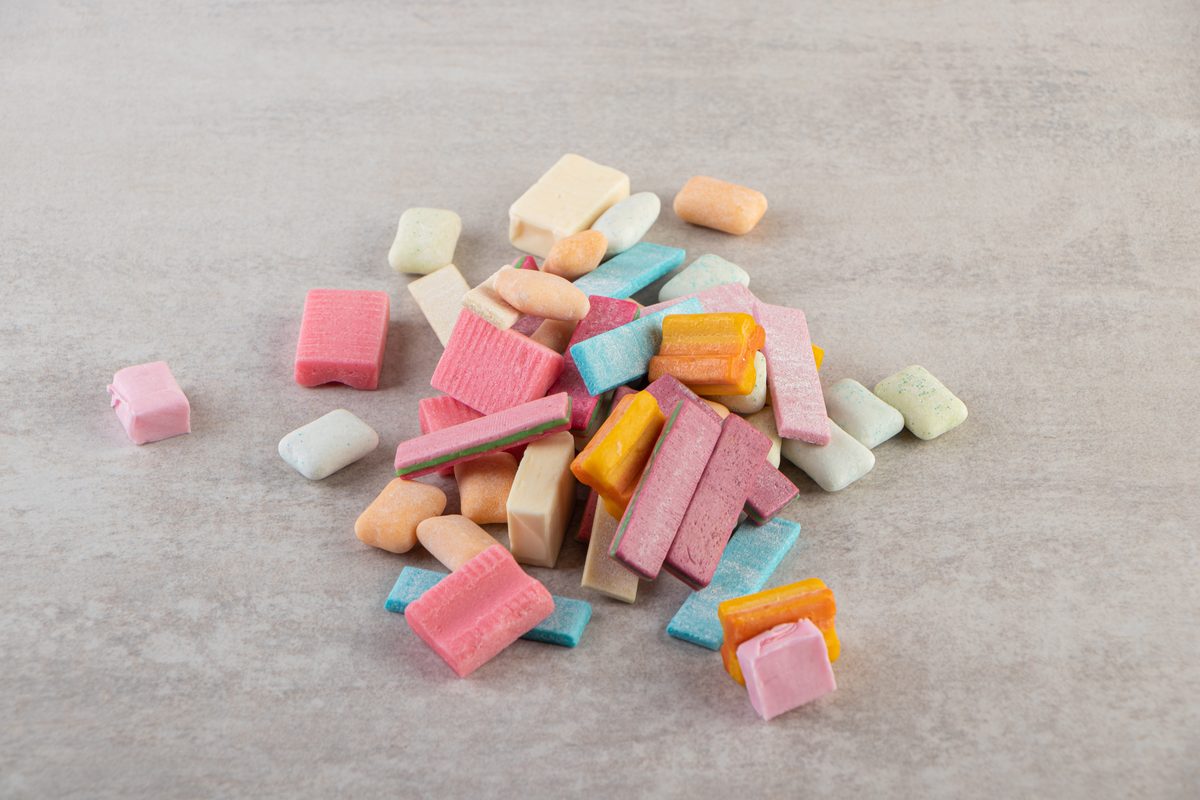
Maltitol (E965) is a polyol, also called a sugar alcohol. It is made from starch, often from maize or wheat, and tastes close to sugar. That is what makes it the favourite additive of « no added sugar » chocolates, biscuits, sweets and chewing gums. On the label, it appears as « E965 », « maltitol » or « maltitol syrup ».
A labelling point that often misleads: under European law, polyols are not counted as sugars. A chocolate made with maltitol can therefore show very little « sugars » while containing a lot of carbohydrate.
What the regulations say
| Point | European rule |
|---|---|
| Calories | 2.4 kcal per gram, against 4 kcal for sugar |
| Mandatory statement | « Excessive consumption may produce laxative effects » above 10% polyols |
| Blood sugar | Authorised claim: lower rise in blood sugar than sugar, if it replaces sugar |
| Teeth | Authorised claim: helps maintain tooth mineralisation, if it replaces sugar |
The real advantages
The European Union authorises two health claims for maltitol, provided it genuinely replaces sugar: it raises blood sugar less than sugar, and it does not attack teeth the way sugar does. This is why it is found in sugar-free chewing gums.
The limits
- Calories all the same: 2.4 kcal per gram. A chocolate with « no added sugars » is still a chocolate, with its cocoa butter.
- A laxative effect: polyols are poorly absorbed by the gut. Above 10% in a product, the label must warn of laxative effects if consumed in excess. Sensitivity varies greatly from one person to another.
- A sweet tooth kept alive: like any substitute, it does not reduce the craving for sweetness.
If you have a sensitive gut, our guide to the FODMAP diet explains why polyols are among the foods to watch.
Should you avoid it?
No, not for health in general. For someone with diabetes, a maltitol product in place of a sugary one can limit the rise in blood sugar, without removing the need to count carbohydrates. For everyone, the right reflex is to treat it as a treat, in small amounts, and to read the carbohydrate rather than the sugars on the label. To cut sugar without replacing it, see our guide how much sugar per day.

Also worth reading: maltodextrin: a real danger or a false accusation?, a fast carbohydrate hidden in many products.
Frequently asked questions
Does maltitol make you gain weight?
It provides 2.4 kcal per gram, 40% less than sugar. It can therefore make you gain weight if eaten in quantity, like any source of calories.
Is maltitol dangerous?
No, it is an authorised additive. Its main drawback is digestive: bloating or a laxative effect if you have too much.
Is maltitol suitable for people with diabetes?
It raises blood sugar less than sugar, according to a claim authorised by the European Union, but it is still a carbohydrate to be counted.
Why does my « sugar-free » chocolate give me a stomach ache?
Because it probably contains a lot of maltitol: above 10% polyols, the label must mention a possible laxative effect.
Maltitol or stevia?
Stevia is an intense sweetener with no calories, maltitol a polyol that provides some. See our guide to stevia.
The other additives in the series: E471 and monosodium glutamate.
Our sources
- Regulation (EU) No 1169/2011 on the provision of food information to consumers, annexes I, III and XIV.
- Regulation (EU) No 432/2012 establishing a list of permitted health claims.