Monosodium glutamate (E621): safe or not? What EFSA says

The short answer
Monosodium glutamate (E621) is not a poison, but Europe sets a limit for it. In 2017, EFSA established an acceptable daily intake of 30 mg per kilo of body weight, or about 2,100 mg a day for a 70 kg adult. Above all, it observed that children in particular could exceed this dose when all sources of glutamate are counted. There is no danger in eating a dish that contains it from time to time, but it is better not to make it a habit, especially for children.
What is monosodium glutamate?
It is the sodium salt of glutamic acid, an amino acid that our body makes and that is found naturally in many foods. Used as an additive, it acts as a flavour enhancer: it strengthens the « umami » taste, the savoury, rounded flavour of broths and slow-cooked dishes. It belongs to a family of six additives, from E620 to E625, evaluated together by EFSA.
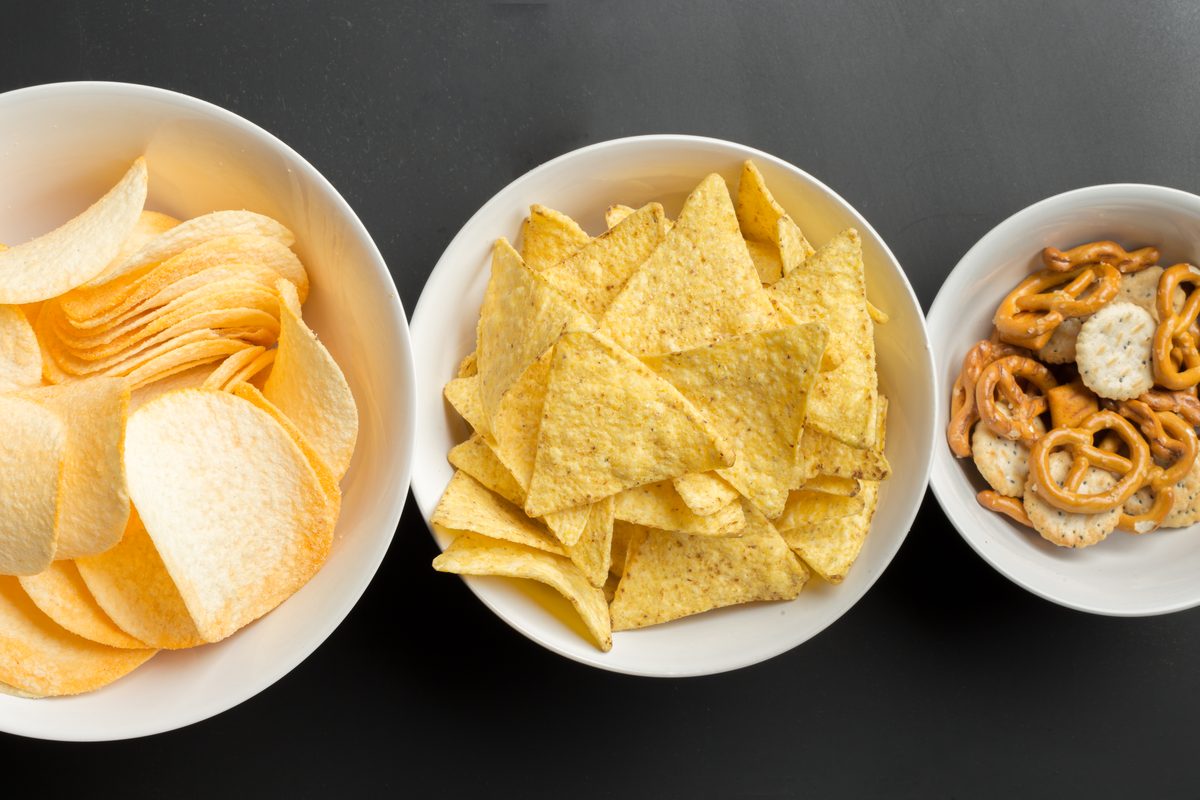
It is found mostly in stock cubes, industrial soups and sauces, crisps and savoury snack biscuits, ready meals, some cured meats and seasoning mixes. On the label, it appears as « E621 », « sodium glutamate » or « flavour enhancer: monosodium glutamate ». Our guide to reading food labels goes through the list of ingredients.
What EFSA says
In 2017, the European Food Safety Authority re-evaluated glutamates. The available studies, in animals and on long-term toxicity, showed no notable toxic effect or genotoxicity problem. EFSA set a group acceptable daily intake of 30 mg per kilo of body weight, expressed as glutamic acid.
| Weight | Acceptable daily intake |
|---|---|
| 20 kg (child) | 600 mg |
| 60 kg | 1,800 mg |
| 70 kg | 2,100 mg |
| 80 kg | 2,400 mg |
Why EFSA remains vigilant
Two findings led EFSA to ask the authorities to review the maximum permitted levels:
- Children can exceed the acceptable intake. Among toddlers and children, average intake exceeds the ADI in several scenarios, and among the heaviest consumers, infants included, it reaches doses already linked to effects in humans.
- Effects have been described in humans at high doses: symptoms grouped under the name « glutamate syndrome » above 42.9 mg per kilo per day, headaches at 85.8 mg/kg, raised blood pressure at 150 mg/kg, raised insulin above 143 mg/kg.
The product categories targeted by EFSA are pastries, soups, sauces, meat products, seasonings and supplements.
Should you avoid it?
For an adult, a meal at an Asian restaurant or an industrial soup from time to time is nothing to worry about. The real lever is frequency: stock cubes, ready meals and salty snacks every day add up the sources. For children, who exceed the acceptable intake more easily, limiting these products is a good habit. Cooking at home with herbs, spices, Parmesan or a homemade stock gives flavour without additives.
Frequently asked questions
Is glutamate carcinogenic?
No, EFSA found no genotoxicity problem or carcinogenic effect in the studies available in 2017.
Does « Chinese restaurant syndrome » exist?
EFSA recorded symptoms in humans above 42.9 mg per kilo per day, or about 3 g a day for a 70 kg adult.
How much glutamate per day?
30 mg per kilo of body weight at most, or about 2,100 mg for 70 kg, all forms of the additives E620 to E625 combined.
Is natural glutamate different?
Chemically, it is the same molecule. EFSA also calculated exposure from all sources combined, additives and natural presence, and it is in this case that most groups exceed the acceptable intake.
How can you tell whether a product contains it?
Look for E621, or more broadly E620 to E625, and the mention « flavour enhancer » in the list of ingredients.
To go further: the other additive in the series, E471, and our definition of ultra-processed foods.
Our sources
- EFSA, Re-evaluation of glutamic acid (E 620), sodium glutamate (E 621), potassium glutamate (E 622), calcium glutamate (E 623), ammonium glutamate (E 624) and magnesium glutamate (E 625) as food additives, EFSA Journal, 2017.