Group · Meat
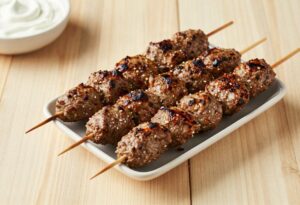
Minced beef
Minced beef is one of the great classics of our kitchens, appreciated for its versatility and speed of preparation. Burgers, bolognese, meatballs or stuffing: it can be used in endless ways depending on the fat percentage chosen, generally stated from 5% to 20%. This red meat provides good-quality protein, haem iron, zinc and B vitamins. In terms of nutrition facts, here we have 229 kcal per 100 g, with 23.8 g of protein, 14.9 g of fat and 0 g of carbohydrate. Its fat content varies markedly depending on the cut it comes from, which makes it a food to choose carefully according to your goals.

Macronutrient breakdown
Nutrition table per 100 g
| Calories | 229 kcal |
| Kilojoules | 956 kJ |
| Protein | 23,8 g |
| Fat | 14,9 g |
Micronutrients per 100 g
All measured nutrients, ranked by share of the daily reference intake.
- Vitamin B122,34 µg94 %
- Zinc5,08 mg51 %
- Vitamin B35,29 mg33 %
- Phosphorus195 mg28 %
- Vitamin B60,31 mg22 %
- Iron2,63 mg19 %
- Potassium321 mg16 %
- Vitamin B20,18 mg13 %
See the other 16 nutrients
- Vitamin B50,66 mg11 %
- Copper0,08 mg8 %
- Magnesium28,3 mg8 %
- Selenium2,82 µg5 %
- Vitamin B99,06 µg5 %
- Vitamin B10,05 mg4 %
- Iodine6,1 µg4 %
- Omega-6 LA0,4 g4 %
- Manganese0,05 mg3 %
- Calcium14,2 mg2 %
- Omega-3 ALA0,03 g2 %
- Vitamin K11,22 µg2 %
- Vitamin E0,12 mg1 %
- EPA0 g1 %
- Vitamin A3 µg0 %
- DHA0 g0 %
Anses Ciqual 2025. Source: Anses, 2025, Ciqual food composition table
Tips
To get the best out of minced beef, the choice of fat percentage is decisive. Mince with 5% fat suits weight control and a high-protein diet perfectly, while mince with 15 or 20% gives more juiciness for burgers and meatballs. Allow a portion of about 100 to 125 g per person, the equivalent of one burger patty.
- Cooking: choose a non-stick frying pan or the grill, without too much fat. A patty that is seared but still pink in the middle stays tender; for children and vulnerable people, cook it right through until well done.
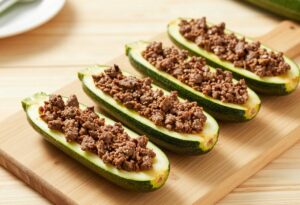
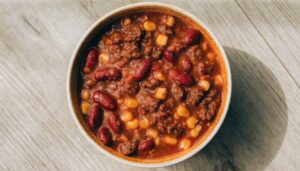
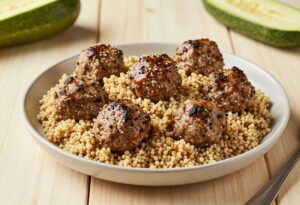
- Pairings: combine minced beef with vegetables (courgettes, tomatoes, onions) or wholegrain starchy foods for a balanced, filling meal.
- Storage: very perishable, fresh mince should be eaten quickly, ideally on the day of purchase. Frozen mince keeps for several months.
From a nutritional point of view, minced beef is an excellent source of well-absorbed iron, zinc and vitamin B12, micronutrients that are important for energy and for the formation of red blood cells. Its glycaemic index is zero since it contains no carbohydrate, which makes it an ally for low-sugar diets. If you are looking for a leaner alternative, turn to minced veal or explore chicken breast, both lower in fat.
For active people: lean minced beef is an excellent protein source to support muscle gain and recovery after exercise. Combined with a carbohydrate source such as rice or wholemeal pasta, it makes a complete post-workout meal. When cutting, be sure to choose 5% mince and limit added fat in cooking. To top up your intake, you can also take inspiration from our protein snack ideas and our advice on fitness nutrition.
Weight control: the calorie density of fatty mince can climb quickly. So choose lean versions, control portions and avoid overly rich sauces. To compare its calories with other meats, see the other items in the meat family or our calorie table. Eaten in moderation and chosen well, minced beef easily finds its place in a balanced diet.