Group · Meat
Horse meat
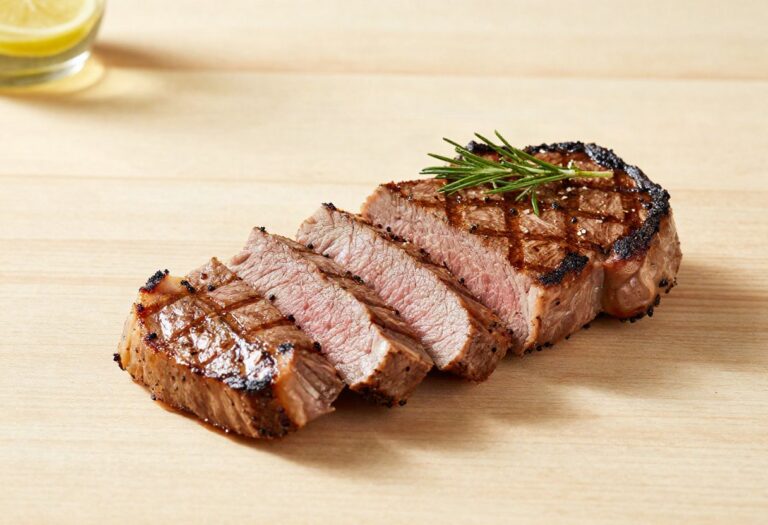
Horse meat is a discreet presence on the butcher’s counter, yet it has a particularly interesting nutritional profile. Deep red in colour and slightly sweet in taste, it stands out for its richness in protein and low fat content. With around 169 kcal per 100 g, 28.2 g of protein and only 6.24 g of fat, it is among the leanest and most nutrient-dense meats. It is available in several forms: steak, sirloin, mince or tartare. Appreciated by athletes and by people watching their figure alike, horse meat fits easily into a balanced diet, provided you follow a few good cooking and storage practices.
Macronutrient breakdown
Nutrition table per 100 g
| Calories | 169 kcal |
| Kilojoules | 711 kJ |
| Protein | 28,2 g |
| Fat | 6,3 g |
Micronutrients per 100 g
All measured nutrients, ranked by share of the daily reference intake.
- Vitamin B121,44 µg58 %
- Vitamin B60,66 mg47 %
- Vitamin B35,55 mg35 %
- Zinc3,18 mg32 %
- Iron3,38 mg24 %
- Omega-3 ALA0,39 g20 %
- Selenium7,92 µg14 %
- Omega-6 LA0,54 g5 %
Anses Ciqual 2025. Source: Anses, 2025, Ciqual food composition table
Tips
Horse meat lends itself to many preparations. To preserve its tenderness and nutrition facts, choose quick cooking methods: seared in a frying pan, grilled, or as a raw tartare of impeccable quality. Cooking it for too long makes it dry, as it contains little fat to protect it. Allow a portion of 100 to 150 g per meal, served with green vegetables and a source of complex carbohydrate such as brown rice or sweet potatoes.
A remarkable nutritional profile. With 28.2 g of protein per 100 g and no carbohydrate, horse meat offers protein of high biological value, containing all the essential amino acids. Its moderate fat content (6.24 g) and its iron content make it a meat of choice. As for calories, its 169 kcal per 100 g remain reasonable, which puts it in a good position in the food calorie table.
Tips for active people. Rich in protein and iron, horse meat is an ally for building and recovering muscle. Eaten after a workout, it helps repair the fibres that have been worked. You can include it in your meals for lean bulking or cutting, topping up if needed with sources such as protein powder. To go further on the balance between training and your plate, see our guidelines on fitness nutrition.
Comparing with other meats. If you are looking for lean, protein-rich red meats, horse meat rivals alternatives such as bison or ostrich. You can vary your choices by exploring the whole meat family to adjust your intake to your goals.
- Storage: horse meat oxidises quickly. Eat it within 1 to 2 days of buying, or freeze it quickly.
- Pairings: seasonal vegetables, fresh herbs, a touch of olive oil to soften its texture.
- Best times: at lunch to make the most of its energy, or at dinner in a moderate portion.
Weight control. Its low calorie density and lack of sugars make it a meat compatible with a weight-loss goal. Beware of the preparation methods, though: breadcrumbs, fatty sauces and frying quickly add calories. Prefer the grill or a frying pan without too much fat to keep all the nutritional value of this lean meat.