Group · Meat
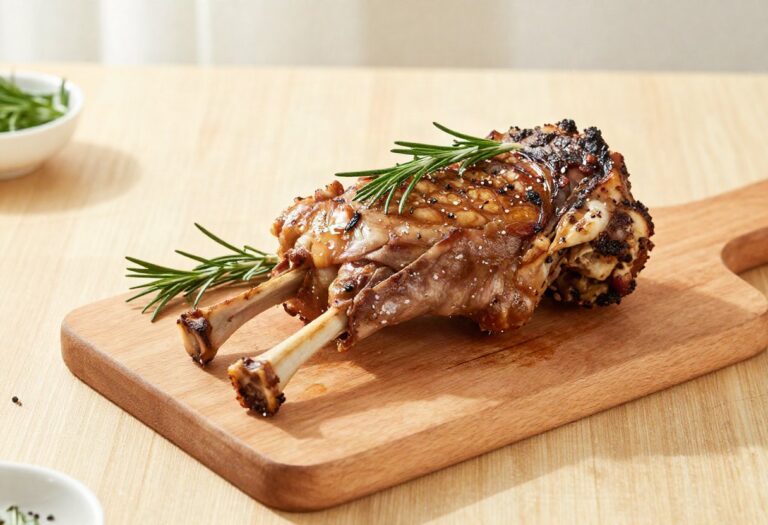
Grilled lamb shoulder
Grilled lamb shoulder is a flavourful, generous cut, appreciated for its tender meat and distinctive taste. It comes from the front part of the animal and suits grilling as well as roasting or slow cooking. With around 252 calories per 100 g, it provides 30.5 g of protein and 14.5 g of fat, with no carbohydrate or fibre. A useful note: Ciqual has no entry for grilled lamb shoulder, so these values are those of roast (oven-cooked) lamb shoulder, which are close to those of a grilled shoulder but may vary slightly. It is a meat naturally rich in complete protein, haem iron, zinc and B vitamins. In a balanced diet, it has its place as a quality source of protein, to be eaten in moderation because of its fat content. Varied and sociable, it appeals as much to lovers of traditional cooking as to athletes.
Macronutrient breakdown
Nutrition table per 100 g
| Calories | 252 kcal |
| Kilojoules | 1050 kJ |
| Protein | 30,5 g |
| Fat | 14,5 g |
Micronutrients per 100 g
All measured nutrients, ranked by share of the daily reference intake.
- Vitamin B122,72 µg109 %
- Zinc4,7 mg47 %
- Vitamin B37,2 mg45 %
- Phosphorus231 mg33 %
- Vitamin B20,3 mg21 %
- Copper0,2 mg20 %
- Potassium376 mg19 %
- Selenium9,2 µg17 %
See the other 15 nutrients
- Iron2,2 mg16 %
- Vitamin B60,21 mg15 %
- Vitamin B924,2 µg12 %
- Vitamin C6,9 mg9 %
- Magnesium25,4 mg7 %
- Vitamin K14,6 µg6 %
- Vitamin B10,06 mg6 %
- Iodine8,6 µg6 %
- Vitamin B50,3 mg5 %
- Omega-6 LA0,47 g5 %
- Vitamin E0,14 mg1 %
- Calcium8,8 mg1 %
- Vitamin A7,5 µg1 %
- Omega-3 ALA0,02 g1 %
- DHA0 g1 %
Anses Ciqual 2025. Source: Anses, 2025, Ciqual food composition table
Tips
To make the most of grilled lamb shoulder, aim for a reasonable portion of 100 to 130 g per meal. Grilling remains a good cooking method because it limits the amount of added fat: simply let the meat speak for itself with herbs (thyme, rosemary, oregano), garlic and a drizzle of lemon juice. Before cooking, trim the most visible fat to reduce the fat content. Controlled cooking, neither too fast nor too long, preserves tenderness and flavour.
On the nutrition side, lamb shoulder is an excellent source of high-quality protein (about 30.5 g per 100 g), ideal for maintaining muscle mass. It also provides well-absorbed iron, zinc and vitamins B12 and B3. Its glycaemic index is zero since it contains no carbohydrate, which makes it a suitable option for a low-sugar diet.
- Smart pairings: serve it with grilled green vegetables or pulses for a complete, filling meal.
- Storage: keep it for 2 to 3 days in the fridge, or freeze it raw for more flexibility.
- When to eat it: best at lunch or dinner, as a main dish.
For athletes: thanks to its richness in protein and iron, lamb shoulder supports muscle recovery after exercise and helps with oxygen transport. When bulking, it makes a substantial protein contribution. After training, combine it with a source of carbohydrate such as rice or sweet potatoes to replenish glycogen. If you are looking for practical supplements, discover our high-protein snack ideas to spread your intake across the day.
Weight management: with 14.5 g of fat per 100 g, this meat has a moderate to high calorie density. When slimming, favour the leanest cuts, control portions and choose grilling over cooking in a sauce. To vary your protein sources, you can alternate with leg of lamb or lamb in other forms, and explore the whole meat family. To compare calorie content, also see our food calorie table. Well integrated, lamb shoulder remains an indulgent pleasure that is perfectly compatible with a balanced diet.