Group · Dairy
Skimmed milk
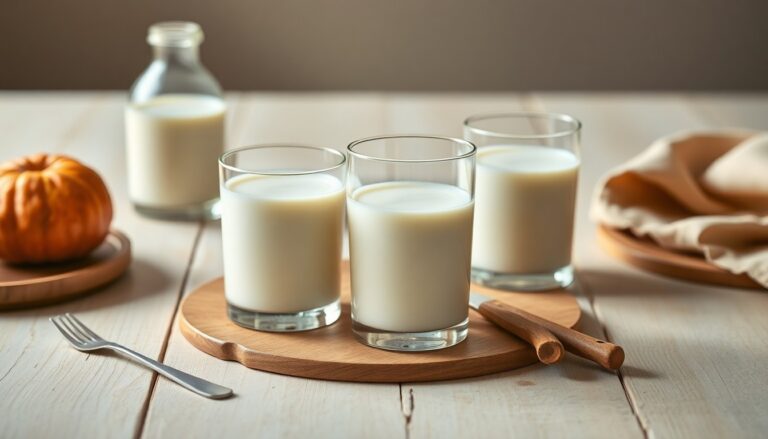
Skimmed milk is cow’s milk with almost all of its fat removed, which makes it one of the lightest options in the dairy products family. It is recognisable by its thinner texture and slightly bluish colour. Available in bottles, cartons or sometimes as a powder, it keeps most of the strengths of milk: good-quality protein, calcium and B vitamins. With only 32.7 kcal per 100 g, it appeals to people watching their figure or looking to cut down on fat without giving up dairy. Its nutrition facts make it a versatile drink, at breakfast, in cooking or after exercise.
Macronutrient breakdown
Nutrition table per 100 g
| Calories | 33 kcal |
| Kilojoules | 139 kJ |
| Protein | 3,3 g |
| Carbohydrate | 4,7 g |
| Fat | 0,1 g |
Micronutrients per 100 g
All measured nutrients, ranked by share of the daily reference intake.
- Vitamin B120,5 µg20 %
- Calcium122 mg15 %
- Phosphorus101 mg14 %
- Vitamin B20,18 mg13 %
- Iodine16,2 µg11 %
- Potassium156 mg8 %
- Vitamin B50,36 mg6 %
- Zinc0,42 mg4 %
See the other 13 nutrients
- Vitamin B10,05 mg4 %
- Magnesium11 mg3 %
- Vitamin B60,04 mg3 %
- Vitamin B95 µg3 %
- Selenium1,27 µg2 %
- Copper0,01 mg1 %
- Vitamin B30,09 mg1 %
- Iron0,03 mg0 %
- Vitamin A1,58 µg0 %
- Manganese0 mg0 %
- Vitamin E0,01 mg0 %
- Omega-3 ALA0 g0 %
- Omega-6 LA0 g0 %
Anses Ciqual 2025. Source: Anses, 2025, Ciqual food composition table
Tips
Skimmed milk slips easily into a balanced diet. Allow a large glass (200 to 250 ml) at breakfast, in a milky coffee, a porridge or a smoothie. It also works very well in cooking: lighter béchamel, flans, sauces, pancake batter or mash, without adding fat to your dishes. Keep it in the fridge and use it quickly once opened; as powdered milk, it keeps for a long time away from moisture.
In terms of nutrients, skimmed milk provides complete protein (around 3.3 g per 100 g), calcium, phosphorus, potassium and vitamins B2 and B12. Its carbohydrate content comes from lactose, a natural milk sugar, with a moderate glycaemic index. Its big difference from whole milk or semi-skimmed milk is the almost total absence of fat: only 0.08 g of fat per 100 g. Note, however, that skimming milk also reduces the fat-soluble vitamins (A and D), which is why some cartons are fortified.
- Weight loss: its low calorie density makes it an ally if you are watching your weight, as long as you do not sweeten it. You can compare its calories with those of other foods to adjust your choices.
- Variety: for high-protein, low-fat snacks, pair it with 0% fat fromage blanc or a plain yoghurt.
- Light cooking: ideal for replacing cream in many recipes.
For active people, skimmed milk is a useful recovery drink: it provides protein to support muscle mass and lactose to replenish energy stores, while also hydrating. Blended with fruit or a scoop of powder, it makes an easy-to-digest shaker. To go further on the subject, discover our protein snack ideas to fit around training.
In short, skimmed milk combines lightness with good nutritional value. Include it according to your needs, making sure to vary your sources of calcium and not to overdo it if you add sugar or chocolate. Find all its alternatives in the dairy products family.
Recipes with skimmed milk
Voir les 21 recettes →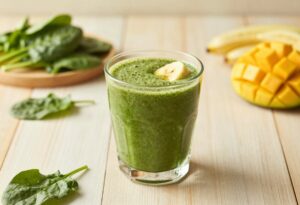
Green spinach, banana and mango smoothie
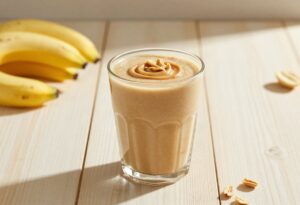
Banana and peanut butter protein smoothie
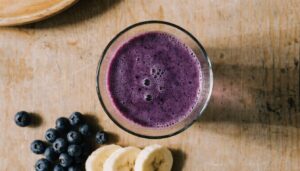
Banana and blueberry smoothie
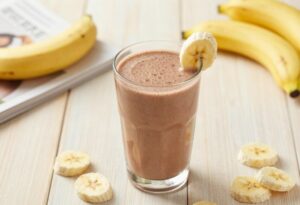
Banana and cocoa recovery shake

Crustless vegetable quiche
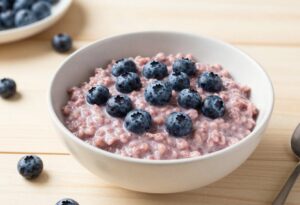
Blueberry protein porridge

Healthy French toast
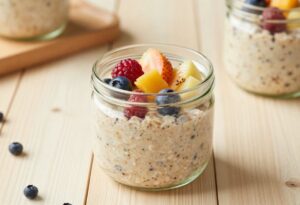
Protein overnight oats
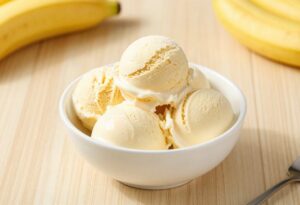
Banana nice cream (instant ice cream)

Chocolate protein mug cake
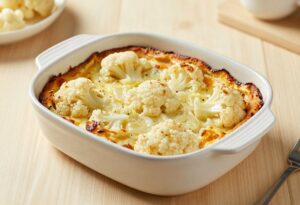
Light cauliflower cheese