Group · Condiments & sauces
Tahini (sesame paste)
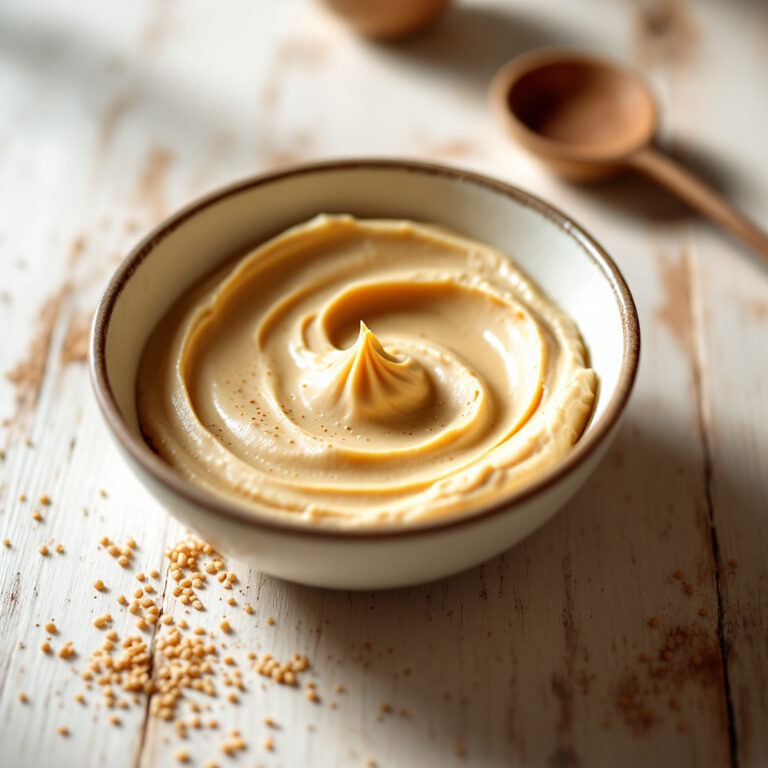
Tahini, or sesame paste, is a smooth paste made from ground sesame seeds. A pillar of Middle Eastern cooking, it flavours hummus, sauces and vinaigrettes with its slightly bitter, toasted taste. Rich in healthy fats, calcium and plant protein, tahini is a condiment as tasty as it is nourishing, to be used in moderation because it is calorie-dense.
Macronutrient breakdown
Nutrition table per 100 g
| Calories | 631 kcal |
| Kilojoules | 2610 kJ |
| Protein | 20,3 g |
| Carbohydrate | 13,8 g |
| Fat | 53,4 g |
| Fibre | 7 g |
Micronutrients per 100 g
All measured nutrients, ranked by share of the daily reference intake.
- Copper1,61 mg161 %
- Vitamin B11,41 mg128 %
- Phosphorus761 mg109 %
- Manganese1,46 mg73 %
- Iron6,69 mg48 %
- Zinc4,62 mg46 %
- Calcium284 mg36 %
- Vitamin B35,55 mg35 %
- Vitamin B9dietary folate equivalents98 µg
See the other 8 nutrients
- Magnesium95 mg25 %
- Potassium437 mg22 %
- Vitamin B20,3 mg21 %
- Vitamin B50,69 mg12 %
- Vitamin B60,15 mg11 %
- Vitamin C4,2 mg5 %
- Vitamin E0,25 mg2 %
- Vitamin A3,33 µg0 %
Anses Ciqual 2025. Source: Anses, 2025, Ciqual food composition table
Tips
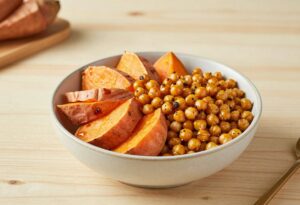
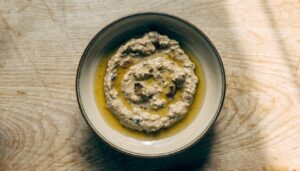
Tahini is used in savoury and sweet preparations alike. Loosen it with lemon juice and a little water to make a creamy sauce to spoon over bowls, falafels or roasted vegetables. It is the essential ingredient in homemade hummus and baba ganoush.
- Nutrition values: rich in unsaturated fat, calcium, magnesium and plant protein.
- For athletes: its energy density and healthy fats make it an ally for meeting calorie needs, especially when bulking.
Like all nut and seed butters (see also almond butter), tahini is high in calories: one to two teaspoons are enough. Choose one with no added sugar or oil, and store it away from light. Discover more ideas in the Condiments & Sauces family.
Sources
Average nutrition values per 100 g, given as a guide only (they may vary by brand and preparation).