Group · Meat
Veal
Veal is the meat of a young calf, usually slaughtered before the age of eight months. Known for its pale, tender, delicate flesh, it has a prime place in French cooking. It comes in many forms: escalope, chop, roast, blanquette, sauté or mince. With around 171 kcal and nearly 28 g of protein per 100 g, veal is a lean meat that is very rich in protein, with no carbohydrate or fibre. Its moderate fat content (6.6 g) makes it a useful ally in a balanced diet for anyone watching their figure. Its high-quality protein and minerals contribute to the proper functioning of the body.
Macronutrient breakdown
Nutrition table per 100 g
| Calories | 171 kcal |
| Kilojoules | 720 kJ |
| Protein | 28 g |
| Fat | 6,6 g |
Micronutrients per 100 g
All measured nutrients, ranked by share of the daily reference intake.
- Zinc7,6 mg76 %
- Vitamin B121,7 µg68 %
- Vitamin B60,37 mg26 %
- Vitamin B33 mg19 %
- Vitamin B10,1 mg9 %
- Vitamin B50,44 mg7 %
- Iron1 mg7 %
Anses Ciqual 2025. Source: Anses, 2025, Ciqual food composition table
Tips
To get the most from the nutrition facts of veal, aim for a portion of 100 to 150 g per meal. Its fine flesh suits a variety of cooking methods: a quickly pan-fried escalope, a grilled chop, a slow-simmered sauté or a blanquette cooked over a gentle heat. To limit your intake of fat, choose gentle cooking and avoid too much butter or cream. Gentle cooking also keeps the meat tender and preserves its nutrients.
In terms of key nutrients, veal provides complete protein (all eight essential amino acids), well-absorbed haem iron, zinc, selenium and B vitamins, notably B12. Its glycaemic index is zero, as it contains no carbohydrate, which makes it a useful food for keeping blood sugar steady during a meal.
- Lean cuts: escalope, topside and loin, perfect for a light meal.
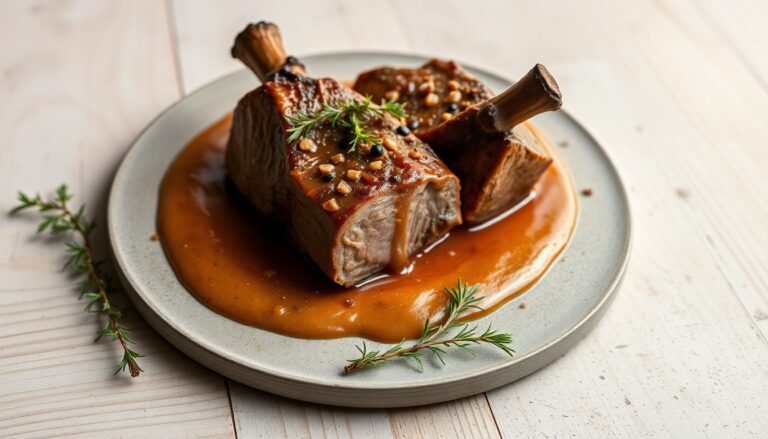
- Cuts for slow cooking: shoulder and shank, ideal for long-cooked dishes.
- Pairings: green vegetables, mushrooms, brown rice or pulses for a complete meal.
If you want to compare it with other white, tender meats, take a look at veal escalope or widen your options with roast rabbit, which is also lean and rich in protein. To explore all the meat options, browse the meat family.
For active people, veal is an excellent choice: its high protein density (nearly 28 g per 100 g) supports muscle building and recovery, without unnecessary carbohydrate. You can have it in the meal after training, with a source of carbohydrate such as rice or sweet potato to replenish your energy stores. Alongside a solid diet, some people rely on protein powder to reach their daily intake, but a lean meat such as veal remains a quality foundation.
When watching your weight, veal has a reasonable calorie density for a meat, which makes it an asset when slimming. Be careful with preparation: breadcrumbs, frying and fatty sauces push the calories up. Choose light cooking methods and limit added fat. Keep fresh meat in the fridge and eat it quickly, or freeze it to preserve its quality. To see where veal sits among other foods, check the calorie table.