Group · Drinks
Gin
Gin is a spirit made by distilling fermented grains, flavoured with juniper berries and a blend of plants known as botanicals (coriander, citrus, angelica, orris root and so on). Its aromatic signature varies by style: London Dry, Old Tom, or the more floral craft gins. Colourless and usually around 40% alcohol, it is the base of many cocktails, from the famous gin and tonic to the dry martini. In terms of nutrition facts, gin contains about 265 kcal per 100 g, with no protein, carbohydrate or fat: its calories come solely from alcohol. Like any alcoholic drink, it should be enjoyed in moderation and has no place in a diet aimed at weight loss.
Macronutrient breakdown
Nutrition data unavailable.
Nutrition table per 100 ml
| Calories | 265 kcal |
| Kilojoules | 1100 kJ |
Micronutrients per 100 ml
All measured nutrients, ranked by share of the daily reference intake.
- Iodine1 µg1 %
- Copper0 mg0 %
Anses Ciqual 2025. Source: Anses, 2025, Ciqual food composition table
Tips
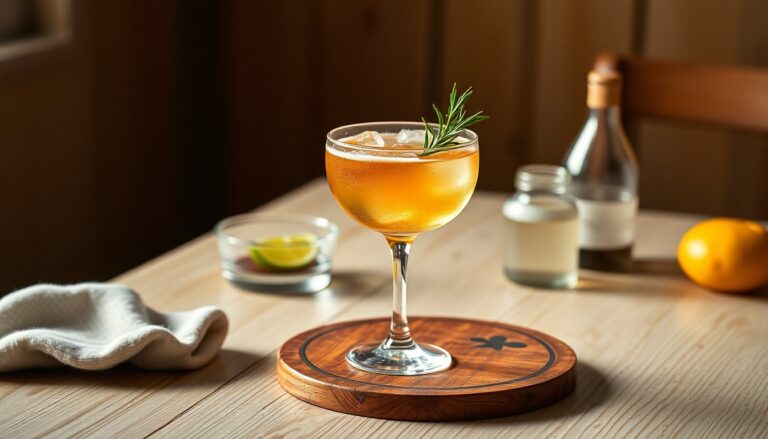
Gin is rarely drunk on its own. It is most often enjoyed as a long drink: the standard measure is around 4 cl, served over ice with a tonic, a slice of lime or a sprig of rosemary. Be careful, though: it is mostly the mixers that push up the calorie count. A classic tonic contains a lot of sugar, just like a soft drink. To limit calories, choose a sparkling water such as Perrier, a slimline tonic, or just a touch of lemon juice.
Calories and nutrition facts: with 265 kcal per 100 g and 0 g of carbohydrate, fat and protein, gin provides only empty calories, meaning energy with no useful nutrients. This energy density comes exclusively from ethanol. To understand this idea better, the article on empty calories and their effects is enlightening.
A few guidelines for drinking:
- Alternate each drink with a large glass of water to stay hydrated.
- Avoid sweet cocktails and syrups, which multiply the calories.
- Do not exceed the recommended lower-risk drinking guidelines.
- No alcohol on an empty stomach or in large amounts on a single occasion.
Culinary uses: beyond the glass, gin flavours some fish marinades, sauces, or a salmon gravlax, where it enhances the juniper notes. In cooking, alcohol partly evaporates with heat, leaving only the aroma. You will find other comparable spirits in the drinks family, from whisky to vodka, which have similar calorie profiles.
Tip for active people: alcohol has no value in terms of performance or recovery. It disrupts hydration, sleep quality and muscle protein synthesis, and slows fat loss. If you have a physical goal, it is better to keep gin for special occasions and focus on a consistent balanced diet approach.
Weight control: the calories in alcohol add up quickly and often go unnoticed. A single gin and tonic can exceed 150 to 200 kcal depending on the mixer. If you are watching your waistline, space out your drinks, choose lower-sugar versions and keep it as an occasional pleasure without making it a daily habit.