What is black garlic? Taste, how to make it, benefits and side effects
The short answer
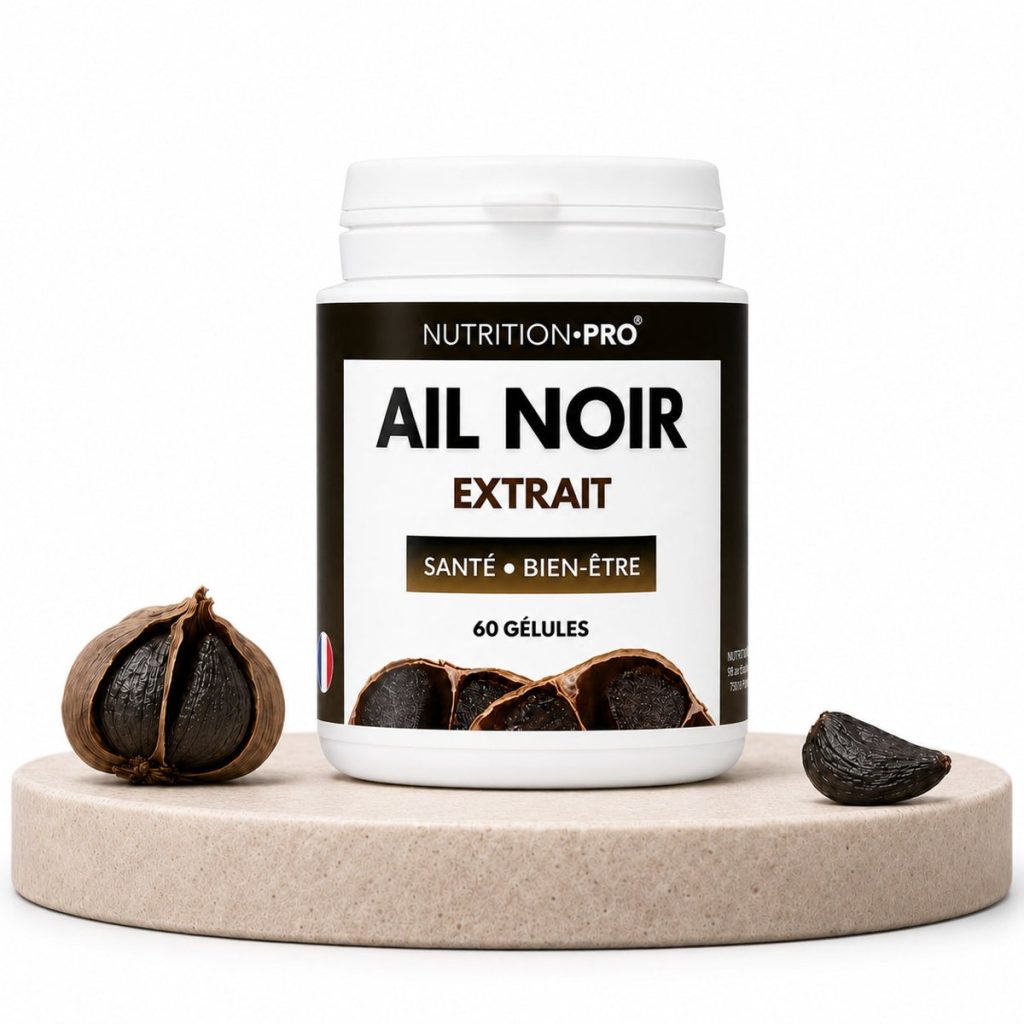
Black garlic is ordinary white garlic heated gently for several weeks, at 60 to 90 °C in very humid air (70 to 90%). The cloves turn black and soft like a prune, with a sweet, slightly tangy taste often compared to balsamic vinegar or liquorice. They lose their bite and leave almost no garlic breath. It is often called “fermented”, but the change comes mainly from the Maillard reaction, the same one that browns bread. Health-wise, black garlic has more S-allyl cysteine than fresh garlic; a few small trials show modest effects on some cholesterol markers and blood pressure, with no clear drop in LDL. Like garlic, it calls for caution with blood thinners and before surgery.
This article is for information and does not replace medical advice.
What is black garlic? How it is made and what it tastes like
It is made from whole, unpeeled garlic bulbs kept in a warm, humid chamber:
| Step | What happens |
|---|---|
| Gentle heat (60 to 90 °C) and humidity (70 to 90%) | Sugars and amino acids in the garlic react together (Maillard reaction) |
| Several weeks of ageing | Cloves brown, then blacken, lose water and turn jammy |
| Result | Sweet, umami taste, more S-allyl cysteine (SAC) and antioxidant compounds; the sharp allicin is gone |
How to make black garlic at home
You need steady, gentle heat for weeks. The easiest option is a dedicated black garlic fermenter (really a small incubator); some people use a rice cooker on “keep warm”. Keep the bulbs whole, do not open them along the way, and be patient: the change takes several weeks. A regular oven is not practical: you cannot leave it on that long.
Black garlic vs fresh garlic
Black garlic keeps garlic’s minerals, but heat changes its make-up: it loses water, its sugars concentrate and part of the sulphur compounds are transformed. The most studied is S-allyl cysteine (SAC), which increases with ageing. Allicin, behind the bite and smell of raw garlic, is no longer there.
For the nutrition facts of regular garlic, see our raw garlic and garlic powder pages. You use black garlic in small amounts (one to a few cloves), so its calorie contribution stays low.
Black garlic benefits: what the trials show
Many claimed effects (antioxidant, anti-inflammatory, liver protection) come from lab or animal studies. Human trials are few, short and often funded by manufacturers. The main ones:
| Study | Who | Form and length | Results |
|---|---|---|---|
| Jung et al., 2014 (placebo-controlled) | 60 adults with mildly high cholesterol | Aged black garlic extract, 6 g a day, 12 weeks | No drop in total cholesterol, LDL or triglycerides; HDL up and apolipoprotein B down |
| Villaño et al., 2023 (no placebo) | 62 adults with or without high cholesterol | 4 cloves of black garlic (12 g) a day, 12 weeks | Apolipoprotein A1 up (+11 to 12 mg/dL), lower markers of blood vessel inflammation |
| Serrano et al., 2023 (placebo-controlled) | Adults with mild hypertension already on treatment | Black garlic extract standardised in SAC, 12 weeks | Blood pressure down 1.8 mmHg (systolic) and 1.5 mmHg (diastolic) on top of treatment |
| Serrano et al., 2026 (placebo-controlled) | 75 adults with mild hypertension | Black garlic extract, 250 mg a day, 12 weeks | No significant change in total cholesterol, LDL, HDL or triglycerides |
Black garlic and cholesterol: neither placebo-controlled trial lowered LDL, the “bad” cholesterol. Changes in other markers (HDL, apolipoproteins) are interesting but secondary. Diet remains the main lever: see our guide to foods to lower cholesterol.
Black garlic and blood pressure: a drop of under 2 mmHg is small, even on top of treatment, and both Serrano trials were funded by the extract’s maker. Diet matters far more: see our DASH diet guide. Never cut blood pressure medication without your doctor’s agreement.
A 2018 Chinese trial in 120 heart failure patients reported better heart function after 6 months of black garlic. It is a single trial in a very specific population: not a reason to take it for your heart without medical follow-up.
Black garlic side effects and who should be careful
Eaten as food, black garlic is just food. As a concentrated supplement, garlic’s precautions apply. The European Medicines Agency (EMA) lists them in its garlic monograph:
- Blood thinners and antiplatelet drugs (warfarin, low-dose aspirin, clopidogrel…): use with caution, garlic may increase bleeding time.
- Surgery: avoid medicinal garlic preparations for 7 days beforehand because of the bleeding risk.
- HIV treatment with saquinavir and ritonavir: contraindicated, garlic may reduce the treatment’s effect.
- Pregnancy and breastfeeding: safety of garlic preparations is not established; use is not recommended.
- Possible side effects: digestive issues (bloating, gas, pain), body odour, allergic reactions, headache, bleeding.
Black garlic is also sweeter than fresh garlic: worth keeping in mind if you snack on it.
Black garlic recipes and how to use it
Eat black garlic as is or barely warmed: high heat can burn it because of its sugars. A few ideas:
- As a snack: mashed on toast with a drizzle of olive oil, or mixed into soft cheese.
- In dips: blend two cloves into a homemade hummus.
- With mushrooms: stirred in at the end of garlic and parsley mushrooms, or with shiitake for double umami.
- In broth: one clove whisked into a miso soup with vegetables.
- In sauces: mashed into a vinaigrette or a yogurt sauce for a deep, mellow flavour.
What about black garlic supplements?
Black garlic extract capsules give you its compounds without the taste and allow regular intake. Note that the trials above used different forms and doses (6 g of extract a day, 12 g of cloves, an SAC-standardised extract at 250 mg): their results do not automatically apply to another capsule. Trials lasted 12 weeks, which gives a rough idea for a course. Ask a doctor or pharmacist first if you take a blood thinner, have surgery planned, or are pregnant or breastfeeding.
Nutrition•pro: a black garlic extract in capsules
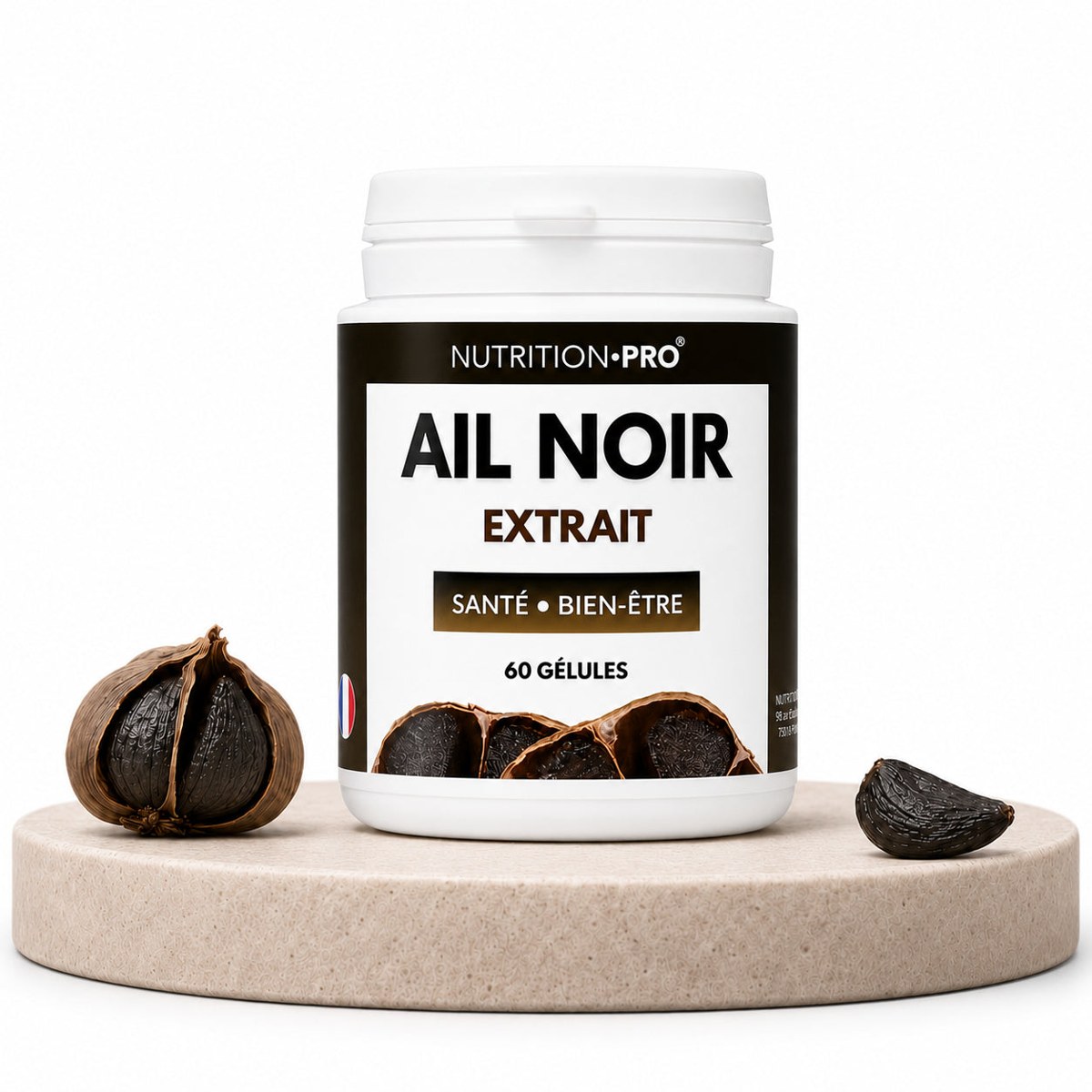
Nutrition•pro is a French brand based in Paris that says it designs and makes its formulas in France. Its Black Garlic is designed for people who want black garlic every day without cooking it:
- a concentrated black garlic extract, from white garlic slowly aged at low temperature in a humid environment;
- in capsules, so no garlic taste or smell;
- 2 capsules a day = 560 mg of black garlic extract (Allium sativum bulb);
- a jar of 60 capsules, a one-month course;
- €29.99 per jar (price checked on 22/11/2026), about €1 a day.
Compared with the studies: 560 mg of extract a day is more than the 250 mg in Serrano 2026 and far less than the 6 g of extract in Jung 2014. Extracts differ in concentration (Serrano’s is standardised in S-allyl cysteine), so the comparison is only a guide, and those trial results do not apply as such to this product.
Promo code: SEOCONSULTINGSL for 10% off your order, €26.99 per jar (as of 22/11/2026).
See Nutrition•pro Black Garlic →
Partner link: we earn a commission if you order through this link, at no extra cost to you.
Frequently asked questions
What does black garlic taste like?
Sweet, mellow and savoury, with notes of balsamic vinegar, liquorice or dried fruit, and a soft, prune-like texture. No raw garlic bite.
What are the benefits of black garlic?
It has more S-allyl cysteine than fresh garlic. In humans, a few 12-week trials show modest effects on HDL, apolipoproteins and blood pressure (under 2 mmHg), with no clear drop in LDL.
Is black garlic actually fermented?
Not really like yogurt or kimchi. The blackening comes mainly from the Maillard reaction triggered by heat and humidity, although microbes may play a part too. “Fermented” is simply the common name.
Who should not take black garlic supplements?
People on blood thinners or antiplatelet drugs, anyone with surgery within 7 days, people on saquinavir and ritonavir, pregnant or breastfeeding women, and anyone allergic to garlic.
How long should you take black garlic?
There is no official course length. Published trials lasted 12 weeks. For longer use, especially alongside medication, ask your doctor.
Sources
- Ahmed T., Wang C.K. Black Garlic and Its Bioactive Compounds on Human Health Diseases: A Review. Molecules, 2021; 26(16): 5028. PubMed 34443625
- Jung E.S. et al. Reduction of blood lipid parameters by a 12-wk supplementation of aged black garlic: a randomized controlled trial. Nutrition tips, 2014; 30(9): 1034-9. PubMed 24976429
- Villaño D. et al. Effect of Black Garlic Consumption on Endothelial Function and Lipid Profile. Nutrients, 2023; 15(14): 3138. PubMed 37513556
- Serrano J.C.E. et al. Antihypertensive Effects of an Optimized Aged Garlic Extract in Subjects with Grade I Hypertension and Antihypertensive Drug Therapy. Nutrients, 2023; 15(17): 3691. PubMed 37686723
- Serrano J.C.E. et al. Effects of aged black garlic (ABG10+) on lipoprotein subclass composition in Grade I hypertension. Front Nutr, 2026; 13: 1869617. PubMed 42577101
- Liu J. et al. Black Garlic Improves Heart Function in Patients With Coronary Heart Disease by Improving Circulating Antioxidant Levels. Front Physiol, 2018; 9: 1435. PubMed 30443217
- European Medicines Agency (HMPC). European Union herbal monograph on Allium sativum L., bulbus, EMA/HMPC/7685/2013. ema.europa.eu