Group · Herbs & spices
Raw garlic
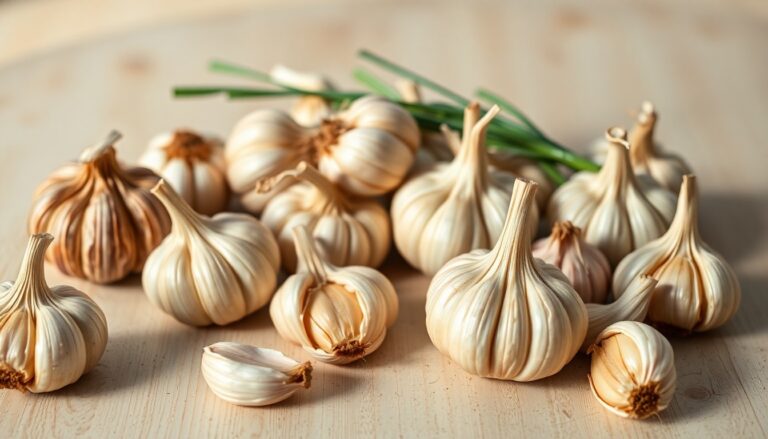
Raw garlic is a great classic of world cooking, at once a condiment, an aromatic and a healthy ingredient. Coming from a bulb made up of cloves, it comes in white, pink or purple varieties, fresh or dried. Raw, it releases its most powerful aroma thanks to allicin, which is released when it is crushed or chopped. Beyond its characteristic taste, raw garlic has interesting nutrition facts: 109 kcal per 100 g, but with tiny portions, nearly 5.31 g of protein, carbohydrates and a little fibre. Used in very small amounts, it seasons almost every dish and naturally finds its place in a balanced, tasty diet.
Macronutrient breakdown
Nutrition table per 100 g
| Calories | 109 kcal |
| Kilojoules | 462 kJ |
| Protein | 5,4 g |
| Carbohydrate | 18,6 g |
| Fat | 0,5 g |
| Fibre | 5,8 g |
Micronutrients per 100 g
All measured nutrients, ranked by share of the daily reference intake.
- Vitamin B61,1 mg79 %
- Potassium530 mg27 %
- Copper0,19 mg19 %
- Phosphorus130 mg19 %
- Vitamin B10,2 mg18 %
- Manganese0,2 mg10 %
- Zinc0,75 mg8 %
- Vitamin B50,36 mg6 %
- Vitamin B9dietary folate equivalents26,1 µg
See the other 5 nutrients
- Magnesium20 mg5 %
- Iron0,63 mg5 %
- Calcium11 mg1 %
- Total omega-30,03 g1 %
- Vitamin A0,21 µg0 %
Anses Ciqual 2025. Source: Anses, 2025, Ciqual food composition table
Tips
Raw garlic is eaten in fractions of a clove, rarely more than one or two per meal. To preserve its benefits, crush or finely chop it and then leave it to rest for a few minutes before use: this encourages the formation of allicin, the sulphur compound responsible for its aroma and properties. Add it at the end of preparation to a vinaigrette, a hummus, a pesto or rubbed on a slice of toast, as heat dulls its intensity.
In terms of nutrition facts, raw garlic provides 109 kcal per 100 g, but as so little is eaten, its real calorie contribution is negligible. It supplies carbohydrates (33 g, including prebiotic fibres of the inulin type), a little protein (5.31 g) and very little fat. It also contains vitamin C, manganese, selenium and vitamin B6. Its aromatic intensity makes it a slimming ally: it lifts dishes without added salt or fat.
To vary the flavours, pair it with other aromatics from the herbs and spices family. It goes particularly well with fresh parsley, fresh thyme or raw shallot in marinades and sauces. If its taste seems too strong raw, garlic powder offers a milder, practical alternative.
A few practical tips:
- Storage: keep garlic bulbs in a dry, cool, airy place, away from light, to stop them sprouting.
- Sprout: remove the green central sprout, which is more bitter and sometimes harder to digest.
- Digestion: introduce raw garlic gradually if you are sensitive to it, or choose a milder cooked version.
For active people, raw garlic is an excellent way to season dishes rich in protein and complex carbohydrates without raising the calorie intake: chicken, pulses, brown rice or roasted vegetables all benefit from its aroma. As part of a balanced diet approach, it makes meals more appealing while helping to limit salt. Its aromatic power lets you cut back on commercial seasonings, which are often high in calories. In short, raw garlic is a smart condiment, low in calories at a realistic portion, ideal for healthy everyday cooking.
Recipes with raw garlic
Voir les 19 recettes →
Marinated chicken skewers
Light General Tso’s Tofu
White dressing for salad
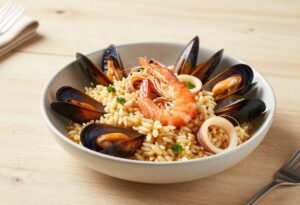
Seafood risotto
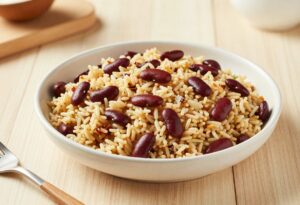
Caribbean rice and peas
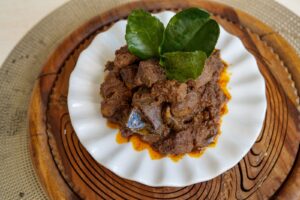
Lighter beef rendang
Lighter molokhia (jute leaf stew)
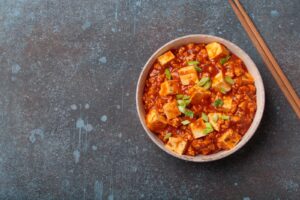
Light mapo tofu
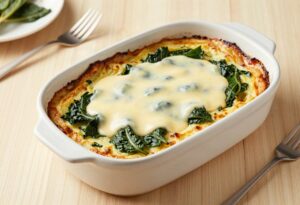
Swiss chard gratin with light white sauce
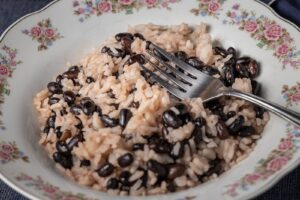
Gallo pinto (Costa Rican rice and beans)
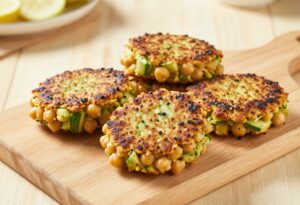
Chickpea and courgette patties