Group · Meat
Emu
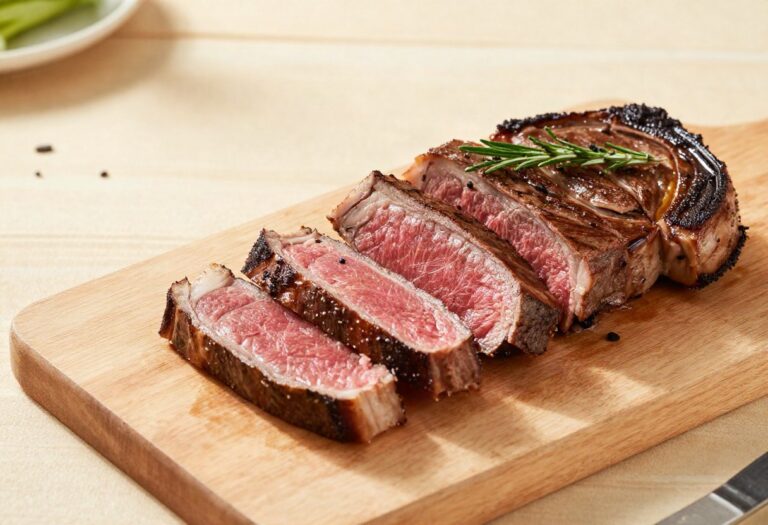
Emu is a flightless bird native to Australia, and its dark red meat stands out for its fine texture and nutritional qualities. Often compared to beef steak for its deep colour and tender bite, it belongs to the family of lean meats, alongside ostrich. The meat contains no carbohydrate or fibre and provides around 163 kcal per 100 g, with 28.43 g of protein and only 4.65 g of fat. That makes it an excellent choice in a balanced diet geared towards building muscle or managing weight. It is sold as fillets, steaks or mince, and needs careful cooking to keep it moist and full of flavour.
Macronutrient breakdown
Nutrition table per 100 g
| Calories | 163 kcal |
| Kilojoules | 683 kJ |
| Protein | 28,5 g |
| Fat | 4,7 g |
Micronutrients per 100 g
All measured nutrients, ranked by share of the daily reference intake.
- Vitamin B128,52 µg341 %
- Selenium43,5 µg79 %
- Vitamin B60,83 mg60 %
- Vitamin B38,93 mg56 %
- Vitamin B53,08 mg51 %
- Zinc4,56 mg46 %
- Vitamin B20,55 mg39 %
- Phosphorus269 mg38 %
See the other 9 nutrients
- Iron5,01 mg36 %
- Vitamin B10,32 mg29 %
- Copper0,24 mg24 %
- Potassium375 mg19 %
- Magnesium29 mg8 %
- Vitamin K13,6 µg5 %
- Vitamin E0,24 mg2 %
- Manganese0,03 mg2 %
- Calcium8 mg1 %
USDA FoodData Central (SR Legacy)
Tips
Emu has very appealing nutrition facts: rich in high-quality protein, low in fat and free of carbohydrate, it is a lean meat that suits anyone watching their calories. Per 100 g you get around 28.43 g of protein, comparable to the best poultry and even higher than some cuts of beef.
How to eat emu: because the meat is very lean, it cooks quickly and does not cope well with long cooking, which would dry it out. Sear it over a high heat and leave it pink in the middle, like a duck breast. You can also marinate it before grilling or pan-frying it with a drizzle of oil. Gentle cooking keeps all its tenderness and nutrients. Allow a portion of 100 to 150 g per meal, served with vegetables and a wholegrain starchy food.
- Tasty pairings: red berries, crushed pepper, shallots, mushrooms or a wine reduction to bring out its light game flavour.
- Storage: keep raw meat for 2 to 3 days in the fridge, or freeze it without any problem to preserve its freshness.
- Similar meats: if you enjoy lean exotic meats, try ostrich or bison, which have similar nutrition profiles.
For active people, emu is a great ally. Its high protein density makes it an excellent base for a post-workout meal, supporting muscle recovery and the building of lean mass. Its low fat content makes it ideal during a cutting phase or when following a balanced diet. You can add it to your batch cooking to cover your protein intake for the week, or round off your plate with a starchy food with a moderate glycaemic index to replenish glycogen. To find out more about your needs, see our guidelines on nutrition for fitness.
Watching your weight: emu is one of the lowest-calorie meats, as long as you limit added fats and rich sauces during cooking. Choose light marinades and cooking methods that need little oil. You will find other options in the meat family to vary your menus while keeping control of your calories.