Batch cooking: how to prep healthy meals for the week

Batch cooking means cooking most of your meals for the week in a single session, usually at the weekend. The aim: to eat healthily every day without spending hours at the hob, and without falling back on ready meals because you are short of time. Well organised, it cuts your time in the kitchen by about 50% (2 to 3 hours at the weekend versus 30 minutes a day), saves you money and limits food waste.
👉 Free tool: Calorie needs – calculate it in 30 seconds, no sign-up needed.
Why get started? The 5 benefits
Preparing your meals in advance means you always have a balanced option to hand. You control the ingredients, the quantities and the salt, you vary your vegetables, and you avoid the last-minute decisions that so often lead to fast food. It is also an excellent way to stick to a balanced diet in the long term.
- Time saved: 2 hours of prep covers the week (versus ~30 min a day), which adds up to as much as 150 hours saved a year.
- Healthier eating: homemade dishes rich in vegetables and pulses on hand limit slip-ups and ready meals – these are cornerstones of the Mediterranean diet, which helps to protect heart health.
- Savings: buying in bulk and avoiding waste bring down the shopping bill (in France, each person throws away ~29 kg of food a year, around €108 of losses).
- Lighter mental load: no more deciding what to eat every evening.
- Less waste: being well organised prevents a large share of household losses.
Batch cooking or simple planning?
Planning is limited to organising your menus and your shopping list, without any cooking. Batch cooking is the practical step: you prepare building blocks (grains, vegetables, protein, sauces) that can be reused in several dishes. Brown rice and roasted vegetables make a bowl on Monday and a salad on Wednesday. The two go hand in hand: planning decides, batch cooking delivers.
The 4-step method
- Plan the week’s meals and draw up a precise shopping list – choose recipes that share ingredients to limit leftovers.
- Prepare the building blocks: cook a large batch of a wholegrain (brown rice, quinoa, barley, ~500 g cooked), roast a tray of vegetables (200 °C, 25 min), and cook a source of protein (red lentils in 15 min, marinated tofu, or 6-8 hard-boiled eggs).
- Assemble complete dishes from these building blocks: bowls, salads, gratins, soups.
- Store in portions in the fridge (3-4 days) or in the freezer (up to 3 months for soups and stews).
The essential equipment
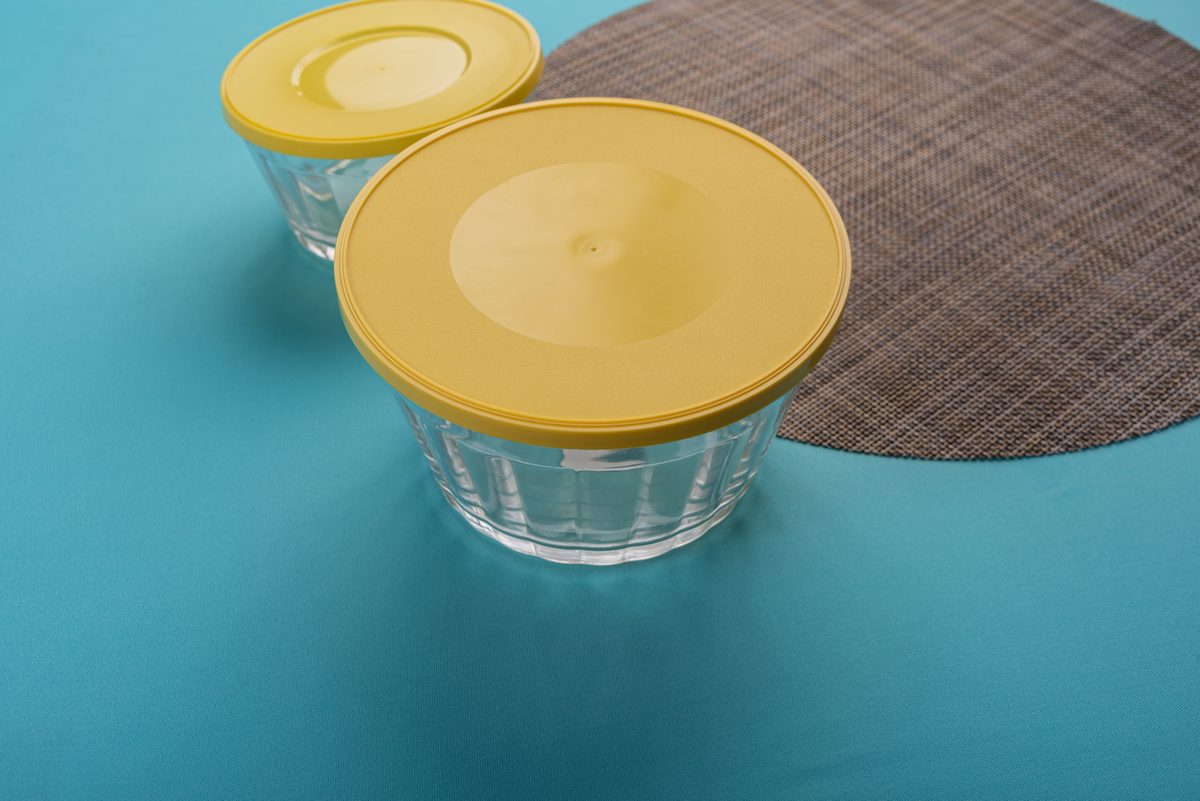
For an efficient session: airtight glass containers (they go in the microwave and let you see what is inside), reusable silicone freezer bags, possibly some containers with compartments, and something to label and date your dishes. Tip: freeze sauces in 50 to 100 ml portions in ice cube trays.
The table for building your meals
Pick one item per column and you instantly get a complete, balanced dish:
| Wholegrains | Vegetables | Protein | Sauces & condiments |
|---|---|---|---|
| Brown rice | Carrots (grated / sticks) | Chickpeas | Hummus |
| Quinoa | Broccoli (steamed / roasted) | Green or red lentils | Homemade tomato sauce |
| Wholewheat pasta | Roasted peppers | Black beans | Tahini dressing |
| Barley | Massaged kale | Tofu (marinated or plain) | Rocket pesto |
| Spelt | Roasted sweet potatoes | Hard-boiled eggs | Pickled red onions |
For example, mix brown rice + roasted broccoli + red lentils + tahini dressing; the next day, sweet potato + quinoa + chickpeas + pesto. The combinations are almost endless, and each prepared building block is used several times (waste-free tip: use leftover vegetables in a soup or omelette).
The best recipes for batch cooking
Some recipes keep and reheat particularly well. Slow-cooked dishes and soups are perfect: chilli sin carne, red lentil and coconut curry, minestrone or lentil soup. For packed lunches, go for the Buddha bowl or the quinoa salad. For breakfasts, prepare overnight oats or muffins in advance.
Practical tips
- Invest in good-quality airtight containers, ideally glass.
- Keep sauces and crunchy elements separate to preserve the textures.
- Label and date your preparations; apply the “first in, first out” principle.
- Let dishes cool before storing them, and freeze whatever will not be eaten within 3-4 days.
Tailoring it to your goal
Cooking for one
Favour versatile ingredients (rice, lentils) that can go into several dishes, and freeze individual portions straight after cooking to avoid monotony and waste. A bowl of quinoa and roasted vegetables becomes a wrap or a salad depending on the spices you add.
For sport
Go for lean protein (tofu, chickpeas, chicken) for recovery and complex carbohydrate (quinoa, sweet potato) for energy. Cook in large quantities and store in individual portions to match your needs. To go further, see our sports nutrition guides.
On a tight budget
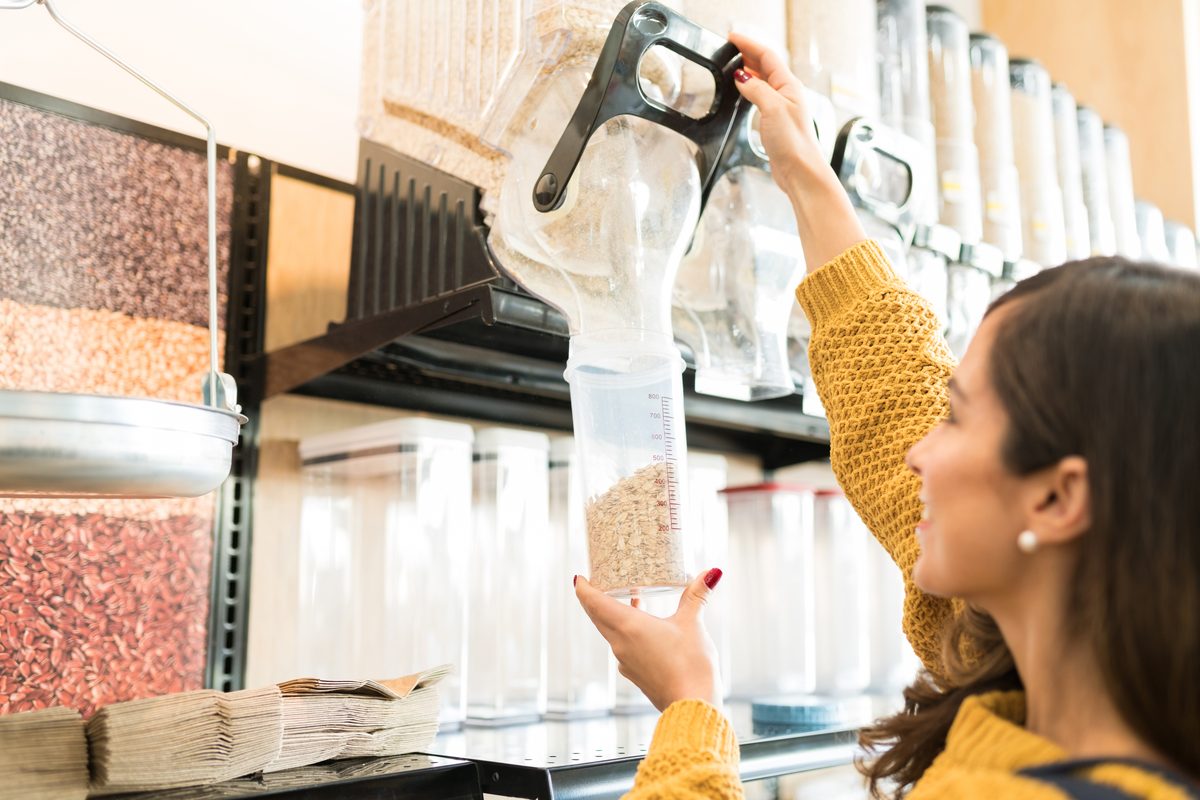
Pulses (lentils, dried beans, chickpeas) are the key: cheap, filling and versatile. Buy cereals in bulk, cook seasonally, and turn peelings into stock or carrot tops into pesto for zero waste.
FAQ
How long do prepared meals keep?
Most cooked grains and vegetables keep for 3 to 5 days in the fridge, and for up to 3 months in the freezer for soups and stews. Label and date every container.
Why favour pulses in batch cooking?
They are cheap, rich in protein and fibre, and very versatile: a 150 g portion of cooked lentils provides about 9 g of protein. They fit into salads, stews or patties and keep very well.
How do you avoid monotony?
Prepare several homemade sauces (hummus, tahini dressing, pesto) and change the seasoning every day. Add fresh elements (avocado, cherry tomatoes, herbs) at serving time for crunch.
Is batch cooking suitable for a weight-loss diet?
Yes: by controlling portions and ingredients, you avoid impulsive slip-ups. Turn our slimming recipes into batch-cooking versions.
To go further, explore our healthy & balanced recipes and our slimming recipes, perfect for batch cooking.
Further reading
Food pages: Lentils, Quinoa, Chickpeas, Pesto, Vinaigrette, Tofu
Recipes to try: Egyptian koshari, Moroccan harira, Ash reshteh (Persian pulse soup)


