Group · Herbs & spices
Ground nutmeg
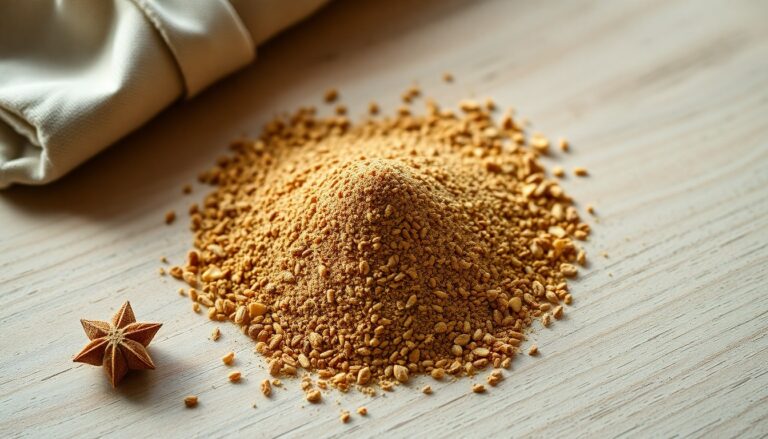
Ground nutmeg is a spice made from the dried, ground kernel of the nutmeg, the fruit of the nutmeg tree. Warm, slightly woody and sweet, it flavours savoury dishes and desserts alike. In ground form it is practical and ready to use, even though freshly grated nutmeg remains more aromatic. It is found in béchamel, gratins, mashed potato, gingerbread and hot winter drinks. Nutritionally, it has 525 kcal per 100 g, but because it is used in pinches, its calorie impact is negligible. Rich in fibre and aromatic compounds, it lifts flavours without added salt or fat, a real advantage in balanced cooking.
Macronutrient breakdown
Nutrition table per 100 g
| Calories | 506 kcal |
| Kilojoules | 2090 kJ |
| Protein | 6,9 g |
| Carbohydrate | 27,4 g |
| Fat | 36,3 g |
| Fibre | 20,8 g |
Micronutrients per 100 g
All measured nutrients, ranked by share of the daily reference intake.
- Manganese2,9 mg145 %
- Copper1,03 mg103 %
- Magnesium183 mg49 %
- Vitamin B10,35 mg32 %
- Phosphorus213 mg30 %
- Calcium184 mg23 %
- Iron3,04 mg22 %
- Zinc2,15 mg22 %
- Vitamin B9dietary folate equivalents76 µg
See the other 7 nutrients
- Potassium350 mg18 %
- Vitamin B60,16 mg11 %
- Vitamin B31,3 mg8 %
- Vitamin B20,06 mg4 %
- Vitamin C3 mg4 %
- Selenium1,6 µg3 %
- Vitamin A2,33 µg0 %
Anses Ciqual 2025. Source: Anses, 2025, Ciqual food composition table
Tips
Ground nutmeg is always used in very small amounts: a simple pinch is enough to flavour a dish for four people. At these doses, its high nutrition facts (27.4 g of carbohydrate, 36.3 g of fat and 20.8 g of fibre per 100 g) have no effect on your daily calorie intake. That is precisely what makes this spice an ally for seasoning without weighing down your recipes.
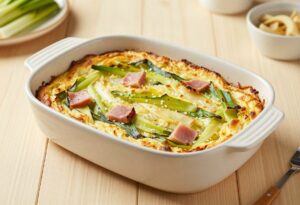
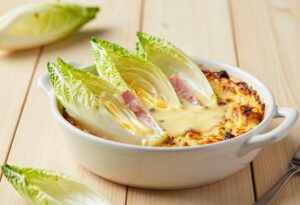
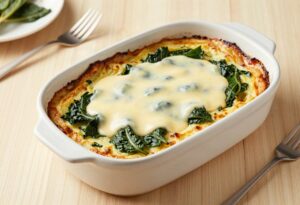
- In savoury cooking: it elevates béchamel, vegetable gratins, mashed potato, spinach, squash and dishes made with cheese. It goes well with black pepper and ground cinnamon.
- In sweet dishes: a must for gingerbread, compotes, rice pudding and spiced hot milks.
- Storage: keep it in an airtight jar, away from light and damp. Once ground, it quickly loses its aroma, so buy it in small quantities.
In terms of flavour, nutmeg belongs to the large family of herbs and spices, alongside ground ginger and ground cloves, with which it makes up the warm blends of winter desserts. It adds woody, slightly peppery notes that lift dishes without the need for salt.
What are the benefits? Like most spices, nutmeg contains interesting fibre and aromatic compounds. But used at a normal dose, it is not a significant nutritional source: it is above all a natural flavour enhancer. Important: nutmeg should be eaten in moderation, as at high doses it becomes toxic. One or two pinches per recipe are more than enough.
For active people: nutmeg provides neither energy nor protein in useful amounts, but it lets you vary the flavours of healthy dishes such as sweet potato mash, porridge or dairy products, without adding sugar. A handy tip when you are following a balanced diet and want to limit salt and sugar while keeping the pleasure of taste.
Weight control: no worries on the calories front, as long as you stick to pinches. The real trap lies in the dishes that go with it (rich béchamel, sugary desserts). Rely on nutmeg to flavour light dishes rather than to mask recipes that are too fatty. Well measured, it helps you cook tastier food with fewer unnecessary seasonings.