Group · Fish
Grouper
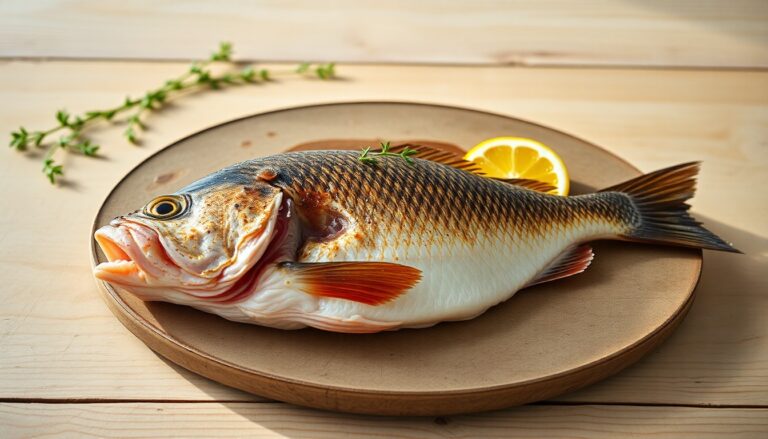
Grouper is a fish with white, firm and flavourful flesh, prized in Mediterranean and tropical cooking. Caught in warm waters, it comes in several species, from the brown grouper to the dusky grouper. Its dense, not very flaky texture makes it a fine choice for more refined dishes. Nutritionally, grouper has a very appealing profile: 85.2 kcal per 100 g, a high content of quality protein (nearly 18.6 g) and very little fat (0.86 g). With no carbohydrates, it fits perfectly into a balanced diet, whether you want to vary your sources of lean protein or simply treat yourself to a tasty, refined fish.
Macronutrient breakdown
Nutrition table per 100 g
| Calories | 85 kcal |
| Kilojoules | 361 kJ |
| Protein | 18,6 g |
| Carbohydrate | 0,8 g |
| Fat | 0,9 g |
Micronutrients per 100 g
All measured nutrients, ranked by share of the daily reference intake.
- DHA0,22 g88 %
- Potassium483 mg24 %
- Vitamin B120,6 µg24 %
- Vitamin B60,3 mg21 %
- Phosphorus145 mg21 %
- Vitamin B50,75 mg13 %
- EPA0,03 g11 %
- Total omega-30,25 g10 %
See the other 11 nutrients
- Magnesium31 mg8 %
- Vitamin A43 µg5 %
- Vitamin B10,06 mg5 %
- Zinc0,49 mg5 %
- Vitamin B20,06 mg5 %
- Vitamin B99 µg5 %
- Iron0,6 mg4 %
- Calcium19 mg2 %
- Vitamin B30,36 mg2 %
- Copper0,02 mg2 %
- Manganese0,01 mg1 %
Anses Ciqual 2025. Source: Anses, 2025, Ciqual food composition table
Tips
Grouper suits many preparations thanks to its firm flesh, which holds up perfectly to cooking. You can bake it whole or as steaks, grill it, poach it in court-bouillon or prepare it in a parcel with a drizzle of olive oil, lemon and fresh herbs. Gentle cooking remains ideal for preserving the tenderness and nutritional values of this lean fish: discover the principles of gentle cooking to preserve nutrients and flavour.
In terms of benefits, grouper provides complete protein, minerals such as selenium, phosphorus and potassium, and B vitamins. With 0.72 g of carbohydrates and only 0.86 g of fat, its zero glycaemic index and low calorie density make it an ally for light meals. A portion of 120 to 150 g suits lunch or dinner well, served with green vegetables and a source of starchy foods for a complete meal.
- Storage: eat fresh grouper within 24 to 48 hours, or freeze it quickly.
- Pairings: citrus fruits, tomato, fennel, olives and fresh herbs bring out its flavour.
- Cooking methods: oven, grill, steam, parcel, simmered in a bouillabaisse.
For active people, grouper is an excellent source of lean protein that supports muscle recovery after exercise. Its low fat content makes it easy to digest, perfect for an evening meal when cutting or lean bulking. You can include it in your menus alongside other protein-rich fish such as cod or sole, to vary the flavours while keeping your calorie intake under control. To go further on food and performance, read our feature on fitness nutrition.
If you are watching your waistline, grouper is an asset: its protein content promotes fullness without weighing down the calorie count. Beware, however, of fried preparations or those coated in fatty sauces, which quickly push up the calories. Choose cooking methods without added fat and vegetable side dishes. To compare grouper with other options, browse our fish family and do not hesitate to consult the food calorie table to put together balanced, tasty menus through the seasons.