Group · Meat
Lamb kidney
Lamb kidney is one of the most popular offal in cooking, known for its delicate flavour and melt-in-the-mouth texture. Smaller and tenderer than beef kidney or veal kidney, it stands out for its fineness in the mouth. Nutritionally, it is an interesting food: it provides only 131 kcal per 100 g, while supplying a good amount of protein (23.7 g) and little fat (3.62 g). Rich in haem iron, zinc and B vitamins, lamb kidney naturally has its place in a balanced, varied diet, as long as you eat it in moderation given its cholesterol content, which is typical of offal.
Macronutrient breakdown
Nutrition table per 100 g
| Calories | 131 kcal |
| Kilojoules | 553 kJ |
| Protein | 23,7 g |
| Carbohydrate | 1 g |
| Fat | 3,7 g |
Micronutrients per 100 g
All measured nutrients, ranked by share of the daily reference intake.
- Vitamin B1278,9 µg3156 %
- Vitamin B22,07 mg148 %
- Iron12,4 mg89 %
- Phosphorus290 mg41 %
- Vitamin B981 µg41 %
- Zinc3,8 mg38 %
- Vitamin B35,99 mg37 %
- Copper0,37 mg37 %
See the other 12 nutrients
- Vitamin B52,04 mg34 %
- Vitamin B10,35 mg32 %
- EPA0,06 g24 %
- DHA0,04 g16 %
- Vitamin C12 mg15 %
- Potassium178 mg9 %
- Vitamin B60,12 mg9 %
- Manganese0,14 mg7 %
- Iodine10 µg7 %
- Magnesium20 mg5 %
- Total omega-30,1 g4 %
- Calcium18 mg2 %
Anses Ciqual 2025. Source: Anses, 2025, Ciqual food composition table
Tips
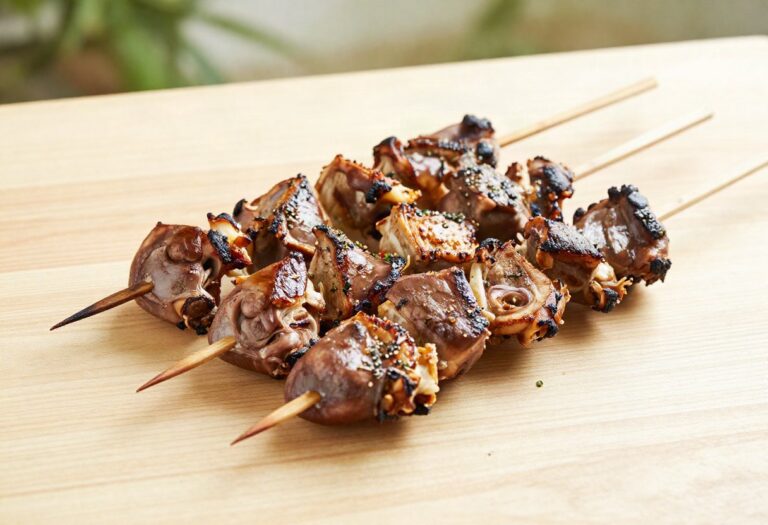
Lamb kidney lends itself to many tasty preparations. To keep it tender, choose quick cooking over a high heat: pan-fried in butter, grilled on a skewer or sautéed with garlic and parsley. Cooking it for too long makes it rubbery. Allow a reasonable portion of 100 to 130 g per person. Before cooking, remove the thin membrane and the white central part, then, if you like, soak it for a few minutes in milk or vinegared water to soften its strong taste.
As for nutrition facts, this kidney is a concentrate of high-quality protein for very few calories, with a zero glycaemic index (less than 0.99 g of carbohydrate). It provides easily absorbed iron, zinc, selenium and vitamins B2, B9 and B12. Like all offal, however, it remains high in cholesterol and purines: occasional consumption, once or twice a week, is ideal.
- Pairings: shallots, mustard, white wine, mushrooms, parsley and garlic bring out its flavour.
- Side dishes: homemade mash, starchy foods or green vegetables balance the meal.
- Storage: very perishable, so cook it within 24 hours of buying or freeze it quickly.
For active people, lamb kidney is a relevant ally. Its richness in complete protein supports muscle building and repair, while its haem iron helps transport oxygen, a key point for endurance. Served as a dish after training, it promotes recovery without adding too many calories. If you are looking for other lean protein sources, you can vary with chicken breast or discover other offal such as lamb’s liver, which is just as rich in micronutrients. To find out more about eating for exercise, see our guide to nutrition for fitness.
For slimming, lamb kidney has everything going for it: moderate calorie density, high fullness thanks to protein and no sugars. Above all, watch the cooking methods and sauces, which can quickly push up the fat. Light cooking, without too much fat, remains the best option. You will find other meats and offal in the meat family to put together varied, balanced menus through the week.