Group · Drinks
Plant-based drink (average food)
Plant-based drinks (soy, almond, oat, rice, hazelnut, coconut) are made by grinding a plant ingredient in water and then straining it. Their compositions have almost nothing in common: this page shows the average of the Ciqual entry, and each type differs from it considerably.
On the average nutrition side: 43.6 kcal per 100 g, with 2.91 g of protein, 2.38 g of carbohydrate and 2.33 g of fat. The average provides 25.9 mg of calcium per 100 g, a figure that depends entirely on fortification, as explained below.

Macronutrient breakdown
Nutrition table per 100 ml
| Calories | 44 kcal |
| Kilojoules | 182 kJ |
| Protein | 3 g |
| Carbohydrate | 2,4 g |
| Fat | 2,4 g |
| Fibre | 0,7 g |
Micronutrients per 100 ml
All measured nutrients, ranked by share of the daily reference intake.
- Copper0,12 mg12 %
- Selenium6,03 µg11 %
- Omega-6 LA0,87 g9 %
- Manganese0,16 mg8 %
- Vitamin D0,36 µg7 %
- Phosphorus43,4 mg6 %
- Potassium121 mg6 %
- Vitamin K14,01 µg5 %
- Vitamin B9dietary folate equivalents14,6 µg
See the other 14 nutrients
- Omega-3 ALA0,1 g5 %
- Total omega-30,11 g5 %
- Magnesium16 mg4 %
- Vitamin E0,49 mg4 %
- Calcium25,9 mg3 %
- Iron0,43 mg3 %
- Vitamin B10,03 mg3 %
- Vitamin B60,04 mg3 %
- Zinc0,21 mg2 %
- Vitamin B20,02 mg1 %
- Vitamin B50,08 mg1 %
- Vitamin A8,52 µg1 %
- Vitamin B30,11 mg1 %
- Vitamin B120 µg0 %
Anses Ciqual 2025. Source: Anses, 2025, Ciqual food composition table
Tips
Only soy rivals milk for protein. This is the key point: a soy drink provides about three grams per hundred, while an almond or rice drink provides ten times less. The average of 2.91 g shown here hides this considerable gap.
Calcium only comes from fortification. An unfortified plant-based drink contains almost none. Look for « fortified with calcium » on the label: without it, swapping milk for a plant-based drink leaves a real hole in your intake.
The same goes for vitamin B12. No plant produces it. Fortified plant-based drinks provide it and the others do not, which is decisive for vegan diets, where B12 has to be supplemented anyway.
« No added sugars » is the label to look for. Sweetened versions commonly contain several grams of sugars per hundred grams, which you cannot taste in a coffee or a bowl of porridge. The unsweetened version does not cost any more.
They are not milks, either legally or nutritionally. The word « milk » is prohibited for them in Europe, and this is not just a matter of vocabulary: without fortification, they provide none of the calcium, iodine or protein of a dairy product. They are never suitable for infants.
Sources
Average nutrition values per 100 g, given as a guide only (they may vary by brand, cut and preparation).
Recipes with plant-based drink (average food)
Voir les 19 recettes →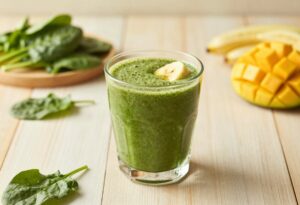
Green spinach, banana and mango smoothie
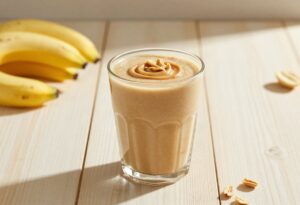
Banana and peanut butter protein smoothie
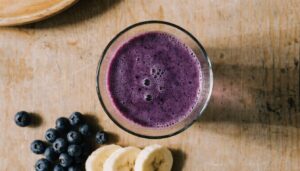
Banana and blueberry smoothie
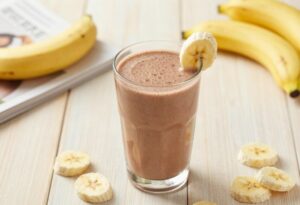
Banana and cocoa recovery shake
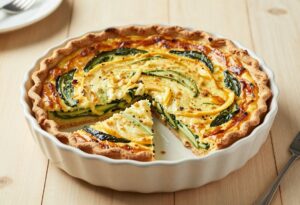
Crustless vegetable quiche
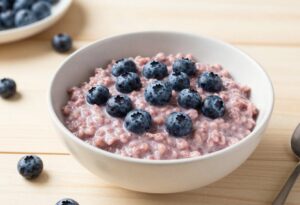
Blueberry protein porridge
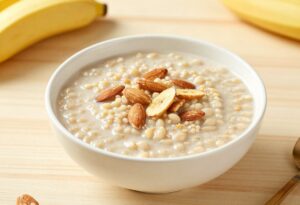
Banana almond porridge
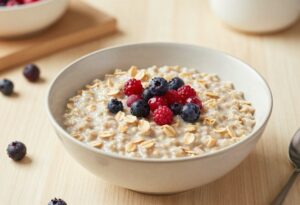
Oat porridge with berries
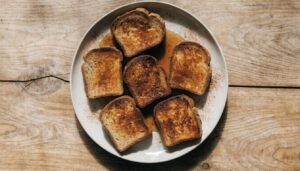
Healthy French toast
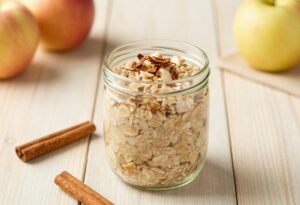
Apple and cinnamon overnight oats

Chocolate banana overnight oats