Group · Pulses
Tinned white beans
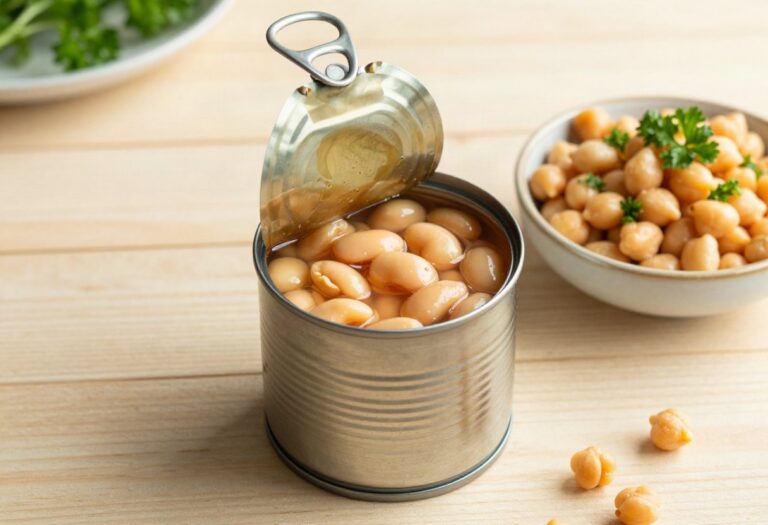
Tinned white beans are a real shortcut for bringing pulses into your daily meals, without the soaking and cooking time of dried versions. Already cooked and ready to use, they come as haricot, cannellini or coco beans depending on the variety. With around 85.5 kcal per 100 g, they provide plant protein (5.88 g), complex carbohydrate (10.9 g) and valuable fibre (7 g) for very little fat. Their soft texture and mild taste make them extremely versatile. Inexpensive, filling and easy to store, they naturally have their place in a balanced diet, whether you want to vary your protein sources or put together complete meals.
Macronutrient breakdown
Nutrition table per 100 g
| Calories | 86 kcal |
| Kilojoules | 359 kJ |
| Protein | 5,9 g |
| Carbohydrate | 10,9 g |
| Fat | 0,5 g |
| Fibre | 7 g |
Micronutrients per 100 g
All measured nutrients, ranked by share of the daily reference intake.
- Manganese0,52 mg26 %
- Copper0,23 mg23 %
- Iron2,99 mg21 %
- Potassium362 mg18 %
- Phosphorus91 mg13 %
- Zinc1,12 mg11 %
- Magnesium38,4 mg10 %
- Calcium70,7 mg9 %
- Vitamin B9dietary folate equivalents65 µg
See the other 8 nutrients
- Vitamin B10,1 mg9 %
- Vitamin E0,79 mg7 %
- Vitamin B60,08 mg5 %
- Vitamin K12,9 µg4 %
- Vitamin B50,19 mg3 %
- Vitamin B20,04 mg3 %
- Iodine3 µg2 %
- Vitamin B30,11 mg1 %
Anses Ciqual 2025. Source: Anses, 2025, Ciqual food composition table
Tips
Before using them, remember to rinse tinned white beans thoroughly under cold water: this removes a good part of the sodium from the brine and makes them easier to digest. A typical portion is around 100 to 150 g drained, the equivalent of a generous ladleful. They heat through in minutes and turn up everywhere: warm salads, soups, gratins, cassoulets, homemade hummus or vegetable stir-fries.
For pairings, combine them with a wholegrain cereal (rice, wheat, bread) for a more complete amino acid profile. A drizzle of olive oil, garlic, thyme and a little tomato bring out their mild flavour. For a meal that supports weight loss, combine them with plenty of vegetables to increase volume without adding calories.
- Fibre: with 4.1 g per 100 g, they contribute to fullness and digestive comfort. Introduce them gradually if you are not used to them.
- Moderate glycaemic index: their complex carbohydrates release energy gently, an asset for avoiding cravings.
- Minerals: they provide plant-based iron, magnesium, potassium and folate.
For active people, white beans are an excellent source of carbohydrate and plant protein, perfect in a recovery meal after exercise or as a complete dish the day before an endurance event. Combine them with rice, quinoa or lentils to optimise protein intake. If you are looking for other convenient pulses, take a look at kidney beans or discover the whole pulses family to vary your recipes.
Weight control: their calorie density remains reasonable and their fibre content helps you feel full for longer. Be wary above all of ready-made dishes (beans in sweetened tomato sauce, processed meals), which add sugars and fats. Favour the plain version, simply drained. To compare their nutrition facts and calories with other foods, the calorie table is a good reference.
Storage: an unopened tin keeps for several months at room temperature. Once opened, transfer any leftover beans to an airtight container in the fridge and use them within two to three days. They also work very well for batch cooking, to prepare several balanced meals in advance.