Group · Meat
Wild boar
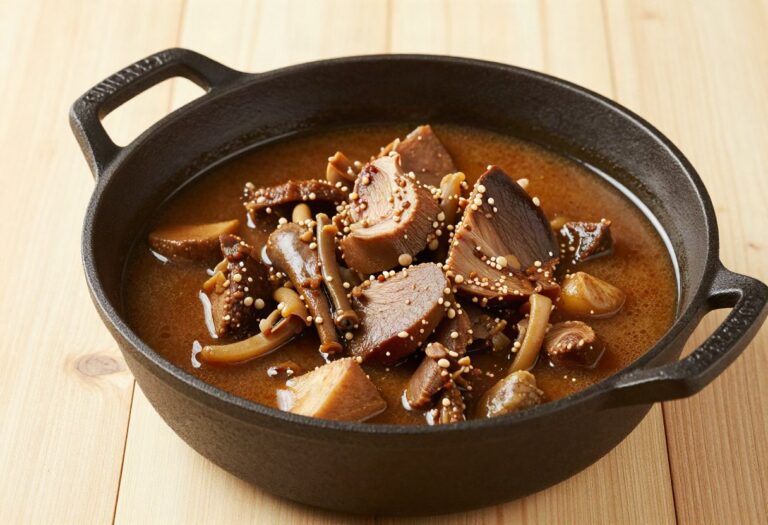
Wild boar is a game meat known for its pronounced, slightly woody taste, which recalls the flavours of the forest. Coming from hunting or now from dedicated farms, it is often cooked in a stew, a daube or as a roast, particularly in autumn and winter. Nutritionally, wild boar ticks many boxes: with only 153 kcal per 100 g, it provides 28.3 g of protein and barely 4.38 g of fat, with no carbohydrate at all. This lean, flavoursome meat naturally has its place in a balanced diet, whether you are watching your figure or looking for an original source of protein, more rustic than the usual white meats.
Macronutrient breakdown
Nutrition table per 100 g
| Calories | 153 kcal |
| Kilojoules | 643 kJ |
| Protein | 28,3 g |
| Fat | 4,4 g |
Micronutrients per 100 g
All measured nutrients, ranked by share of the daily reference intake.
- Zinc3,01 mg30 %
- Vitamin B60,42 mg30 %
- Vitamin B10,31 mg28 %
- Vitamin B120,7 µg28 %
- Vitamin B34,21 mg26 %
- Potassium396 mg20 %
- Phosphorus134 mg19 %
- Vitamin B20,14 mg10 %
See the other 7 nutrients
- Iron1,12 mg8 %
- Magnesium27 mg7 %
- Copper0,06 mg6 %
- Vitamin E0,38 mg3 %
- Vitamin B96 µg3 %
- Calcium16 mg2 %
- Vitamin K11,4 µg2 %
Anses Ciqual 2025. Source: Anses, 2025, Ciqual food composition table
Tips
With its appealing nutrition facts (rich in protein, low in fat), wild boar is a great ally for anyone who wants to vary their protein sources while keeping their calories in check. Its calorie density stays low, which makes it compatible with slimming, as long as you take care over the cooking method and what you serve with it.
How to eat wild boar: a portion of 120 to 150 g suits a main meal. Game meat is firm, so a marinade of red wine, juniper berries, thyme and bay leaf tenderises it and softens its strong taste. Choose slow cooking: stew, daube or casserole, which keep the meat moist. Gentle cooking also limits nutrient loss. Avoid sauces that are too rich in cream and butter if you are watching your weight.
- Smart pairings: root vegetables, chestnuts, celeriac mash or red kuri squash purée for a seasonal dish that is tasty but balanced.
- Seasonality: wild boar is mostly eaten from October to February, in the height of the hunting season.
- Storage: eat fresh meat within 2 to 3 days in the fridge, or freeze it quickly.
Key nutrients: wild boar provides good-quality complete protein, well-absorbed haem iron, zinc and B vitamins. Its glycaemic index is zero as it contains no carbohydrate, which makes it a meat suited to low-sugar diets.
For active people: with over 28.3 g of protein for only 153 kcal, wild boar supports muscle maintenance and growth without a heavy load of fat. It fits well into a recovery meal after exercise, served with starchy foods to replenish your energy stores. Alongside a training routine, you will find more guidance in our guide to nutrition for fitness. For a protein snack between meals, also think about protein snacks.
Points to watch: traditional preparations (a generous stew in sauce, bacon pieces, fatty side dishes) quickly push the calorie total up. Moderate these additions if the scales are your priority. Game must always be cooked right through for health reasons. If you like meats with character, explore other game such as venison, and discover the whole meat family to put together varied, balanced menus.