Protect your cells with antioxidant foods

In an age of environmental aggression and ultra-processed food, how can you protect your cells from the invisible attacks that speed up ageing and sap your vitality? Foods rich in antioxidants, true natural shields, neutralise the dreaded free radicals, unstable molecules that damage your cells. Discover the secrets of superfoods such as berries, green tea and turmeric, their benefits for the immune system, and practical tips for working them into your meals. Avoid the pro-oxidant traps (fried food, refined sugar and pollution) and protect your energy with a colourful, balanced diet.
👉 Free tool: Calorie needs – work it out in 30 seconds, no sign-up.
- Antioxidant foods: your allies for protecting the body
- The main families of antioxidants and what sets them apart
- The real benefits of a diet rich in antioxidants
- Practical guide: how to optimise your antioxidant intake day to day
- Pro-oxidant factors to limit for a better balance
- Towards an overall approach: food and supplements
Antioxidant foods: your allies for protecting the body
What is an antioxidant? A simple definition
An antioxidant protects your cells by neutralising free radicals, unstable molecules that damage them. Found in fruit and vegetables (plant sources) or in liver and eggs (animal sources), they keep the body’s physiological balance in check. Two categories exist: primary antioxidants, made by the body (e.g. superoxide dismutase), and secondary ones, supplied by food (vitamins C and E, selenium, and the polyphenols in green tea or berries). Regular consumption reduces the risk of cell damage.
Understanding free radicals and oxidative stress
Free radicals come from normal metabolism (breathing, digestion) or from external exposures (pollution, UV, tobacco). Being unstable, they set off chain reactions that weaken cells. Their build-up leads to oxidative stress, which speeds up cell ageing and promotes disease.
Antioxidants neutralise these radicals by giving them an electron, which stabilises them. A diet rich in antioxidants (carrots, spinach, walnuts) is a well-proven prevention strategy. Conversely, an imbalance between antioxidants and free radicals exposes you to irreversible damage, which underlines their protective role.
The main families of antioxidants and what sets them apart
Vitamins: the pillars of antioxidant defence
Vitamins C, E and A (via its precursor, beta-carotene) form an essential trio in the fight against free radicals. Vitamin C, which is water-soluble, neutralises free radicals in the watery part of cells and protects blood vessels. It also stimulates immunity and helps iron absorption. Vitamin E, which is fat-soluble, acts in cell membranes and lipoproteins, halting the peroxidation of fatty acids. Finally, beta-carotene, converted into vitamin A as the body needs it, protects cells with no risk of excess.
Trace elements and minerals: essential cofactors
Zinc and selenium activate vital antioxidant enzymes. Zinc, found in enzymes such as superoxide dismutase, protects proteins by binding to their sulfhydryl groups. Selenium, for its part, is a key component of the glutathione peroxidases (GPx), which break down peroxides. The two interact: selenium releases zinc from metallothioneins, amplifying their action. A deficiency in one can weaken antioxidant defences, especially if other micronutrients are lacking.
Polyphenols and carotenoids: the pigments that protect
Polyphenols, found in fruit, vegetables and plant-based drinks, neutralise free radicals. Flavonoids (quercetin in apples, catechins in tea) and anthocyanins (which give berries their colour) are emblematic examples. Carotenoids, such as lycopene (tomatoes) and lutein (spinach), colour foods while protecting cells. Cooking improves the bioavailability of lycopene, an advantage against cell damage.
- Vitamins: vitamin C, vitamin E, beta-carotene (provitamin A)
- Trace elements: selenium, zinc, copper, manganese
- Polyphenols: flavonoids, tannins, anthocyanins, lignans
- Carotenoids: lycopene, lutein, zeaxanthin
The top antioxidant-rich foods to put on your plate
How do you measure antioxidant power? The ORAC index
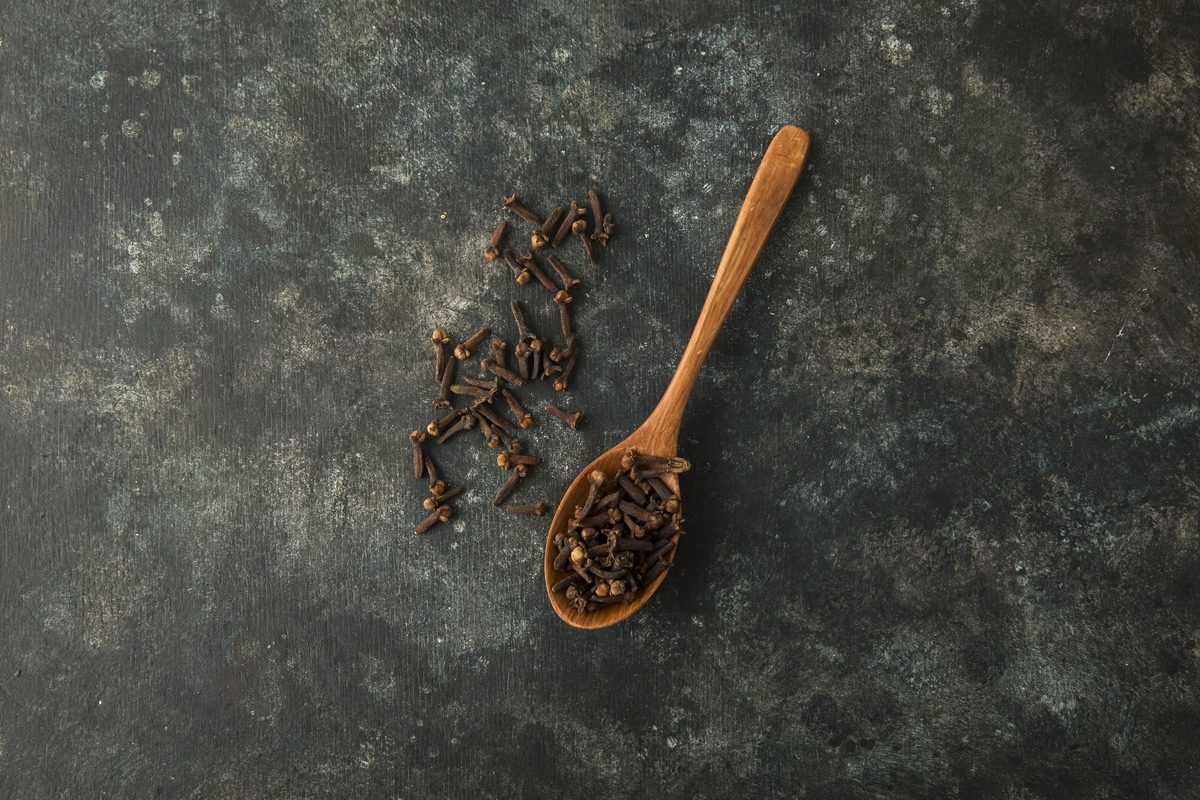
The ORAC index (Oxygen Radical Absorbance Capacity) measures, in the laboratory, how well foods can neutralise free radicals. Although it is used more by American health agencies, it remains useful for comparing foods. For example, cloves reach 290,283 ORAC units, against 48,320 for dried blueberries.
Free radicals, produced by the body in response to stress, pollution or a poor diet, cause « oxidative stress » linked to ageing and certain diseases. Scientists recommend a daily intake of 3,000 to 5,000 ORAC units for a protective effect. Yet the average diet often supplies less than 2,000. Foods such as turmeric (127,068 units) or green tea (62,714 units) help to close this gap.
The league table of antioxidant champions
Here is a selection organised by category to simplify your everyday choices:
| Category | Champion foods | Main antioxidants they contain |
|---|---|---|
| Fruit | Blueberries, raspberries, strawberries, blackberries, pomegranate, prunes, citrus fruit | Anthocyanins, vitamin C, flavonoids |
| Vegetables | Artichoke, spinach, broccoli, red pepper, beetroot, garlic | Flavonoids, beta-carotene, vitamin C |
| Spices and herbs | Turmeric, cloves, cinnamon, oregano, ginger | Polyphenols (curcumin), eugenol |
| Drinks | Green tea, coffee, pomegranate juice, hibiscus infusions | Catechins (EGCG), polyphenols |
| Others | Dark chocolate (70% and above), walnuts, almonds, kidney beans | Flavonoids, polyphenols, vitamin E |
Foods with a high ORAC value, such as turmeric or green tea, strengthen protection against oxidative stress. However, how well polyphenols are absorbed depends on preparation: the curcumin in turmeric is better absorbed with vegetable oil or in the presence of piperine (black pepper).
For an optimal intake, go for a varied diet, organic produce (up to 70% more antioxidants) and gentle cooking methods (steaming, sautéing). Green tea, rich in catechins (EGCG), improves cardiovascular health. Dark chocolate with 70% cocoa, for its part, helps preserve vascular function thanks to its flavonoids. One or two cups of green tea a day or a square of dark chocolate are enough to bring in these essential nutrients.
The real benefits of a diet rich in antioxidants
Protecting cells and slowing ageing
Antioxidants neutralise free radicals, unstable molecules that damage cells. By limiting the oxidation of fats, proteins and DNA, they protect the integrity of cells. This slows skin ageing by preserving collagen and elastin. For example, berries such as blueberries, or green tea, work against UV damage and stimulate cell regeneration.
Supporting the immune system and overall health
A varied, colourful diet rich in fruit and vegetables is the best strategy for giving your body a wide range of protective antioxidants.
Vitamin C (citrus fruit, green vegetables) and zinc (nuts) strengthen the body’s immune defences. They support the activity of immune cells, especially in times of stress or seasonal change. Carotenoids (carrots, squash) also stimulate the production of white blood cells, reinforcing the immune barrier.
A role in preventing certain diseases
Oxidative stress, linked to an excess of free radicals, is associated with chronic diseases (cardiovascular problems, diabetes). A regular intake of antioxidant foods (berries, spinach, green tea) may reduce these risks, when combined with a balanced lifestyle (physical activity, sleep). For example, the flavonoids in dark cocoa and the resveratrol in grapes improve blood circulation and vascular health.
Practical guide: how to optimise your antioxidant intake day to day
The best cooking methods for preserving nutrients
Steaming preserves vitamins A, C and E and minerals, limiting losses of vitamin C to 30-35%. Pressure cookers and braising with little water for a short time are also effective. Avoid boiling in water (losses of up to 95% of vitamin C) and the microwave, which degrade nutrients. For example, the lycopene in tomatoes and the carotenoids in carrots become more bioavailable after steaming, whereas frying destroys these molecules and produces pro-oxidant compounds.
Meal ideas and combinations for a synergistic effect
To amplify the antioxidant effect, choose smart pairings:
- Breakfast: porridge oats, blueberries, walnuts and cinnamon.
- Lunch: spinach and tomato salad with salmon, rich in omega-3, and a lemon and olive oil dressing.
- Snack: 70% dark chocolate and almonds.
- Dinner: vegetable curry (broccoli, peppers) with turmeric and ginger.
The vitamin C in lemon helps the absorption of iron from spinach, while turmeric and ginger boost antioxidant activity. These combinations exploit the synergies between compounds.
The importance of freshness and seasonality
Seasonal fruit and vegetables, picked ripe, keep up to 50% of their essential vitamins. Their antioxidant content (anthocyanins, beta-carotene) is higher than that of stored or imported produce. Choose local markets for a more natural and tastier diet. For example, fresh blueberries in summer or winter carrots offer an optimal concentration of antioxidants.
The best way to maximise your antioxidant intake is not to focus on a single superfood, but to aim for diversity and colour on your plate.
Opt for local, seasonal produce to boost nutritional diversity and overall health. Unpeeled foods, such as apples or cucumbers, retain more antioxidants: peeling an apple reduces these molecules by 33 to 66%.
Pro-oxidant factors to limit for a better balance
Foods that promote oxidative stress
Ultra-processed foods, rich in additives and refined sugars, are major drivers of oxidative stress. Ready meals, industrially produced meat and sugary drinks generate free radicals that damage cells.
- Ultra-processed foods: chocolate bars, biscuits, factory-made meals, loaded with sugar and salt.
- Saturated and trans fats: found in fried food and fatty products, they stimulate reactive oxygen species.
- Refined sugars: an excess triggers metabolic reactions that release free radicals.
- Excess alcohol: overconsumption directly increases oxidative stress.
- Charred meat: intense cooking creates toxic, pro-oxidant compounds.
How lifestyle affects oxidative balance
Daily habits influence the balance between antioxidants and free radicals. Smoking exposes you to billions of free radicals with every puff, accelerating cell wear and tear. Urban pollution, with its fine particles, and prolonged UV exposure add a chronic oxidative load. Lack of sleep and persistent stress disrupt antioxidant defences. One study indicates that these factors, combined with an unbalanced diet, increase the risk of metabolic and inflammatory diseases. To reduce this imbalance, a balanced lifestyle is essential: regular sleep, moderate physical activity, and stress management through meditation or yoga.
Towards an overall approach: food and supplements
Food first, supplements if necessary
Antioxidant foods outperform supplements thanks to their unique combinations of nutrients. An orange, rich in vitamin C and flavonoids, illustrates this natural synergy, which isolated pills lack. High doses of supplements, such as beta-carotene, can even be dangerous: the US Preventive Services Task Force warns of their increased risk of lung cancer in smokers. In the case of a deficiency, targeted supplementation under medical advice remains the safest option.
The final word: an investment in your future health
Including colourful foods (blueberries, tomatoes, spinach) protects against oxidative stress, strengthens immunity and helps prevent chronic disease. Choose raw, varied sources rather than pills. Supplements, reserved for proven cases of deficiency, do not replace a balanced diet. A plate bursting with colour ensures healthy ageing and lasting vitality, without unnecessary excess.
Antioxidants are precious allies against oxidative stress. Choose a varied diet – fruit, vegetables, spices – for a natural intake. Limit pro-oxidant factors and adopt a healthy lifestyle: every step counts towards lasting health, combining vitality and cell protection day to day.
FAQ
Which foods are the most concentrated in antioxidants?
The foods richest in antioxidants include spices such as cloves (314,446 μmol TE/100g), cinnamon (267,536 μmol TE/100g) and turmeric, as well as berries such as açaí (102,700 μmol TE/100g) and camu camu (52,000 μmol TE/100g). Dried fruit such as prunes (5,700 μmol TE/100g) and vegetables such as artichoke (9,416 μmol TE/100g) or spinach are also among the champions. Drinks such as green tea and coffee are good sources too.
What is the richest natural food in antioxidants?
The chaga mushroom holds the record with an ORAC value of 345,858 μmol TE/100g, followed by cloves. Among everyday foods, açaí berries and camu camu (an exotic fruit) offer exceptional concentrations of antioxidants. These foods contain polyphenols, vitamins (C, E) and carotenoids, which contribute to their antioxidant power.
What is the most powerful natural antioxidant?
Antioxidant power depends on the type of molecule and how it acts. Polyphenols such as anthocyanins (found in berries) or curcumin (in turmeric) are particularly effective. Vitamin C (citrus fruit, kiwi) and vitamin E (nuts, vegetable oils) also play a key role. Selenium, a trace element found in wholegrain cereals and seafood, works in synergy with other antioxidants to neutralise free radicals.
What are the 40 foods richest in antioxidants?
A varied list would include fruit (blueberries, raspberries, pomegranates), vegetables (artichoke, broccoli, spinach), spices (cinnamon, cloves, ginger), drinks (green tea, coffee), and foods such as dark chocolate (70%+ cocoa), nuts and kidney beans. For an optimal balance, vary the colours: red (lycopene from tomatoes), green (chlorophyll from leafy vegetables), purple (anthocyanins from berries).
What is the most antioxidant-rich fruit in the world?
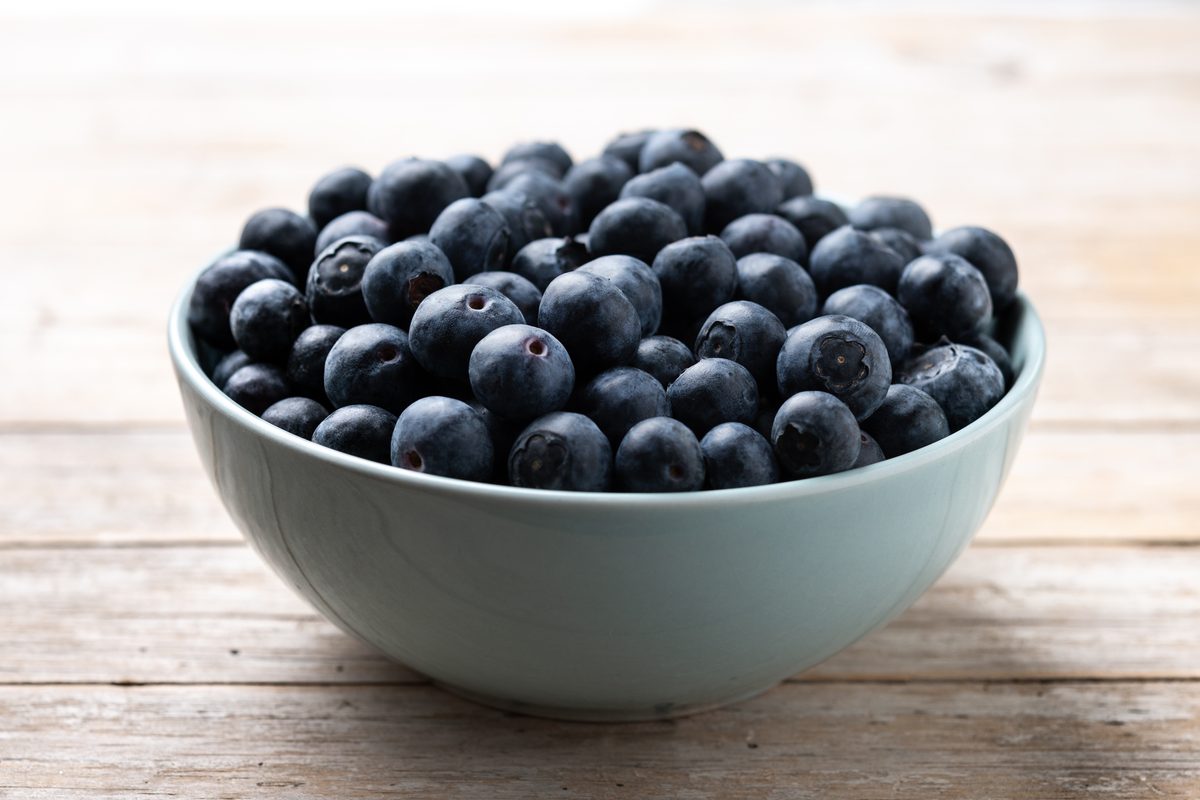
Açaí berries and camu camu stand out for their high polyphenol and vitamin C content. Blueberries (4,848 μmol TE/100g) and blackberries (19,220 μmol TE/100g) are also very effective. Pomegranate (6,719 μmol TE/100g) and prunes (5,700 μmol TE/100g) combine antioxidants and fibre for an overall health effect.
Do bananas contain antioxidants?
Yes, the banana is a moderate source of antioxidants, notably dopamine and vitamin C. Although its ORAC score (around 1,800 μmol TE/100g) is lower than that of berries, it contributes to antioxidant balance thanks to its minerals (potassium, manganese) and its phenolic compounds, which help regulate oxidative stress.
Which drink is the most antioxidant-rich?
Green tea (1,253 μmol TE/100g) is particularly well known for its catechins (notably EGCG). Coffee, rich in phenolic acids, and pomegranate or hibiscus juices (beetroot juice) also rank among the best options. Water infused with citrus fruit or berries can complement these intakes in an original way.
How can you load up on antioxidants every day?
Opt for a varied, colourful diet: 5 portions of fruit and vegetables a day, favour gentle cooking methods (steaming, microwave) to preserve vitamins, and add antioxidant spices (turmeric, cinnamon). Nuts, dark chocolate (70%+) and herbal teas (chamomile, rosemary) are handy allies. Avoid ultra-processed foods, which increase oxidative stress.
Which fruits have anti-inflammatory properties?
Berries (strawberries, blueberries) are ideal thanks to their anthocyanins. Citrus fruit (orange, grapefruit) combine vitamin C and flavonoids. Pomegranate and avocado (rich in vitamin E) reduce chronic inflammation. Exotic fruit such as mangosteen or lychee, though harder to find, also offer similar benefits thanks to their polyphenols.
Read also
Food profiles: Tea, Blueberry, Spinach, Walnut, Pomegranate, Tomato
Recipes to try: Spinach, strawberry and feta salad, Red lentil and spinach dahl, Vegetable and peanut mafé


