Group · Meat
Chicken breast
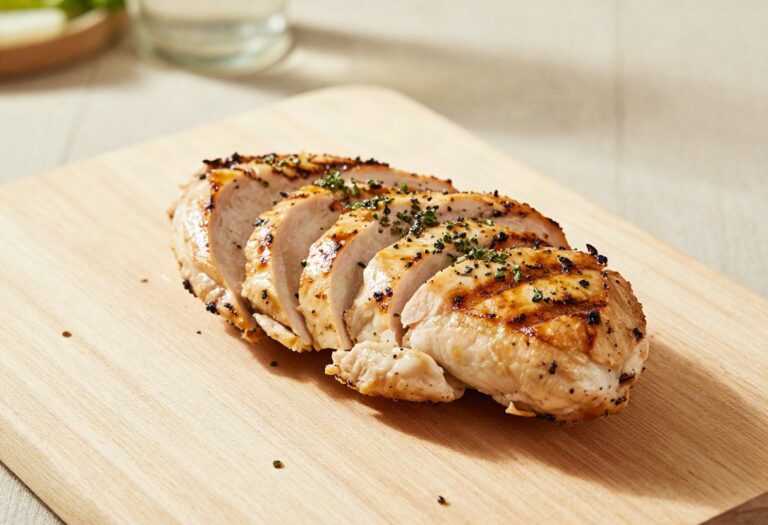
Chicken breast, also sold as chicken fillet or escalope, is one of the most popular poultry cuts thanks to its versatility and high protein content. Taken from the breast of the bird, it has lean, tender meat with a mild flavour that works in any recipe. With around 122 kcal per 100 g and nearly 20.8 g of protein, and no carbohydrates at all, it has a prime place in a balanced diet. Sold fresh, frozen, plain or sometimes marinated, chicken breast appeals as much to people watching their weight as to active people looking for quality protein. It is a white meat that is easy to cook every day.
Macronutrient breakdown
Nutrition table per 100 g
| Calories | 122 kcal |
| Kilojoules | 513 kJ |
| Protein | 20,8 g |
| Fat | 4,3 g |
Micronutrients per 100 g
All measured nutrients, ranked by share of the daily reference intake.
- Phosphorus138 mg20 %
- Selenium7,26 µg13 %
- Potassium250 mg13 %
- Copper0,11 mg11 %
- Zinc1,07 mg11 %
- Magnesium25,1 mg7 %
- Iron0,65 mg5 %
- Iodine4,1 µg3 %
See the other 2 nutrients
- Calcium9,73 mg1 %
- Manganese0,02 mg1 %
Anses Ciqual 2025. Source: Anses, 2025, Ciqual food composition table
Tips
Chicken breast is a real ally in the kitchen thanks to its useful nutrition facts: a high content of good-quality protein, zero carbohydrates and a moderate amount of fat. To keep it tender and limit added fat, choose gentle cooking methods: steamed, poached, roasted in the oven or pan-fried with a drizzle of oil. You can take inspiration from the principles of gentle cooking to preserve nutrients and flavour.
A standard portion is between 100 and 150 g per meal. Pair it with a variety of vegetables and wholegrain starchy foods for a complete, filling meal. Marinades made with lemon, herbs, yoghurt or spices lift its naturally mild flavour without making the dish heavy.
Practical tips:
- Always cook it thoroughly, right through to the centre, for food safety reasons.
- Keep it in the fridge for 2 to 3 days maximum, or freeze it to keep it longer.
- Cut it into strips for salads, into cubes for stir-fries, or leave it whole for roasting.
- Include it in a healthy batch cooking session by preparing it in advance.
For active people, chicken breast is an essential classic. Its high protein content makes it an excellent food for muscle recovery and lean bulking. Eaten after exercise with a source of carbohydrates, it helps rebuild muscle fibres. As a practical snack, it rounds off your intake perfectly on a heavy training day. If you are looking at protein supplements, you can read up on how to use protein powder, but a good plate of chicken remains a solid foundation.
Weight control: thanks to its relatively low calorie density and lack of carbohydrates, chicken breast fits very well into a weight-loss plan or a rebalancing of your diet. Watch out, though, for breaded or fried versions, or those covered in rich sauces, which push the calorie count up. Choose light cooking methods and minimally processed seasonings.
If you like to vary your poultry, try other lean cuts such as turkey breast, or explore the whole meat family to put together balanced, tasty menus throughout the week.
Recipes with chicken breast
See all 50 recipes →
High-protein chicken wrap
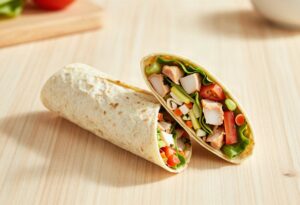
Chicken and raw vegetable wrap
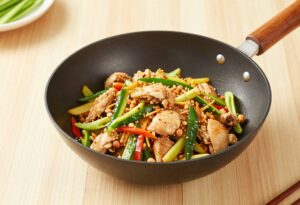
Chicken and crunchy vegetable stir-fry
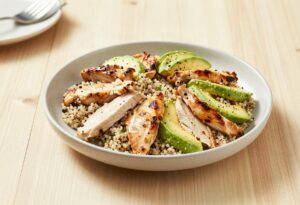
Chicken, quinoa and avocado salad
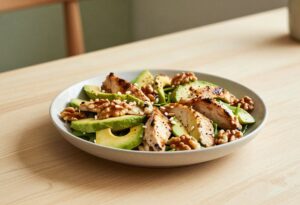
Chicken, avocado and walnut salad
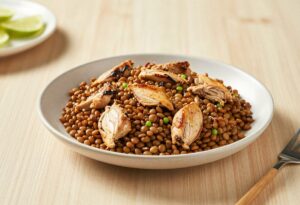
Lentil and chicken salad
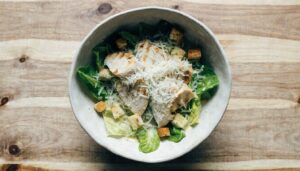
Light Caesar salad
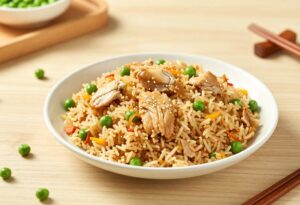
Light chicken egg-fried rice
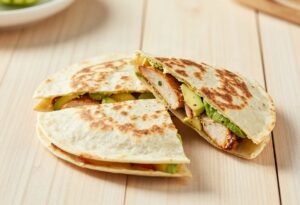
Chicken and avocado quesadillas
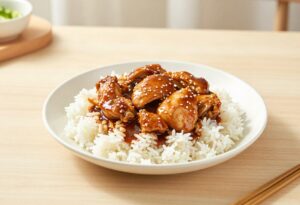
Chicken teriyaki with rice

Chicken, sweet potato and green beans