Cochineal (E120): is this colouring safe? What EFSA says
The short answer
Cochineal (E120) is not considered toxic, but it can cause allergies. This red colouring is made from an insect. EFSA confirmed its acceptable daily intake in 2015 and estimated that the European population stayed below it. Its real weak point is allergy: no minimum dose is safe for a sensitised person, and EFSA asks manufacturers to purify the additive better. With no known allergy, there is no reason to avoid it; if you react after a red product, think of it. It is not compatible with a vegetarian or vegan diet.
What is cochineal?
The colouring E120 is extracted from the cochineal, a small insect that lives on cacti. Carminic acid is obtained from it, then carmine, which give a bright, stable red colour. On the label, it appears as “E120”, “cochineal”, “carmine” or “carminic acid”.
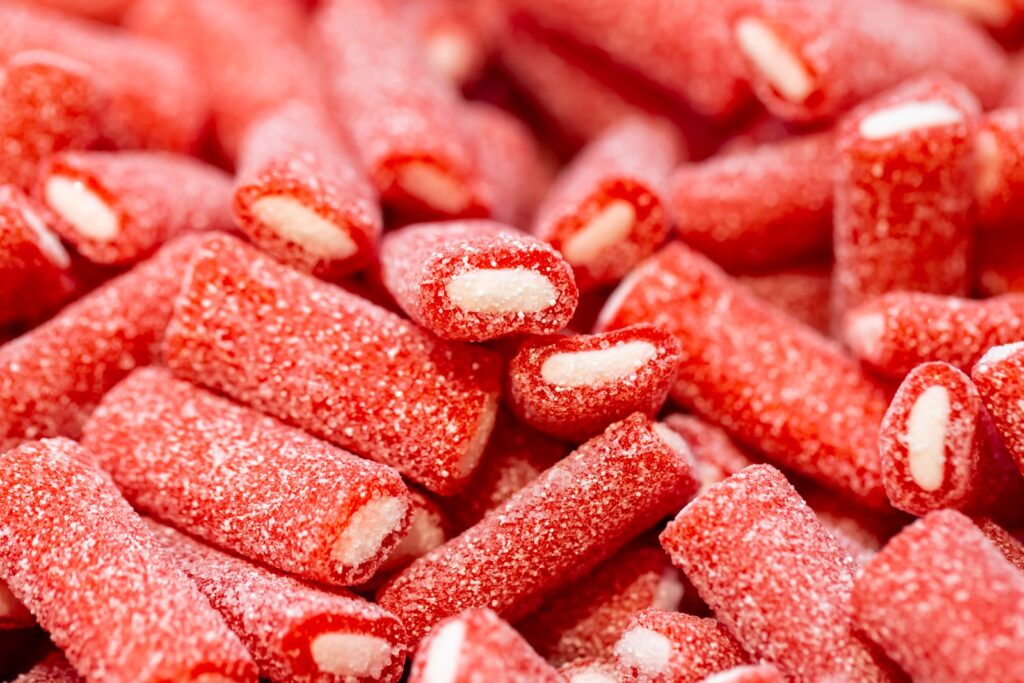
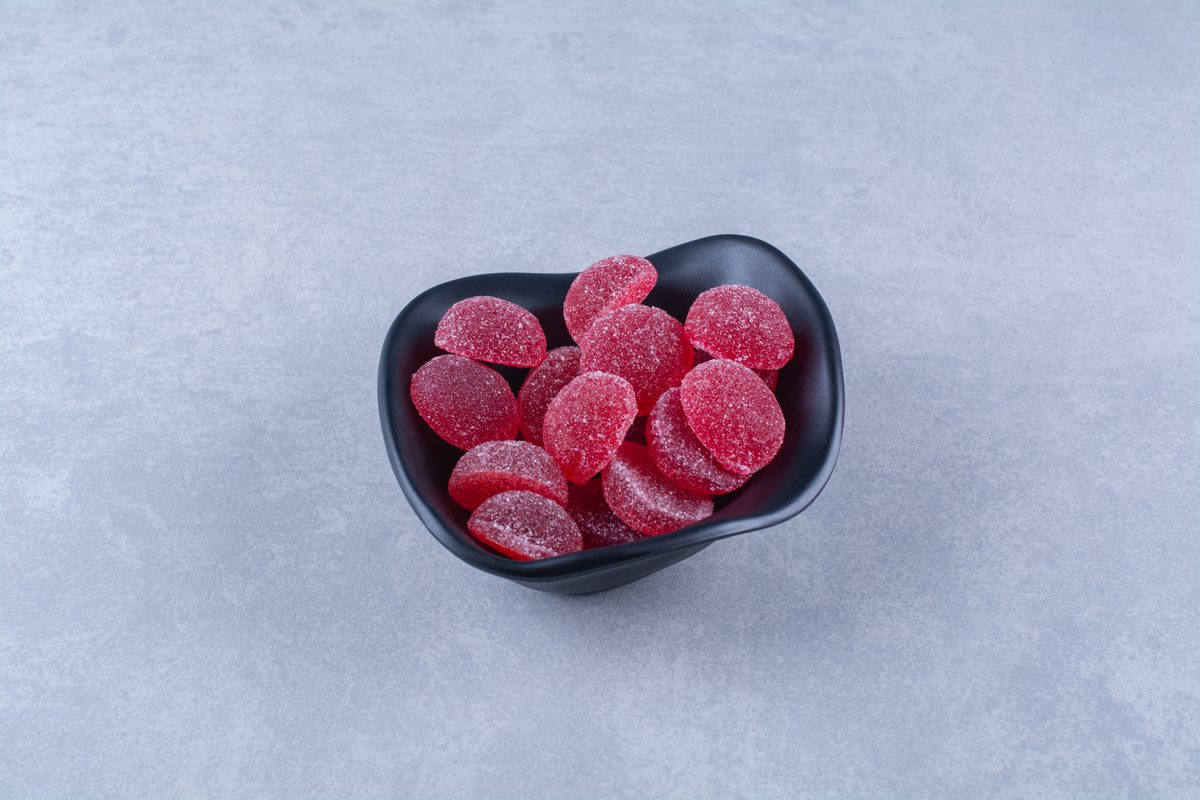
It is found in particular in sweets, syrups and drinks, yoghurts and red fruit desserts, and some cured meats. Like any additive, it must appear in the list of ingredients: see our guide to food labels.
What EFSA says
The European Food Safety Authority re-evaluated the colouring in 2015. Toxicity studies in rats and mice, including on cancer, reproduction and development, showed no toxic potential, and carminic acid is not genotoxic. EFSA kept the acceptable daily intake, which it now expresses as carminic acid:
| Weight | ADI as carminic acid |
|---|---|
| 20 kg (child) | 50 mg |
| 60 kg | 150 mg |
| 70 kg | 175 mg |
According to its estimates, real exposure stays below this dose for all age groups.
The real risk: allergy
The colouring may contain traces of insect proteins, which can trigger allergic reactions. EFSA stresses that no dose can be set below which an allergic person would not react, and recommends that manufacturers remove these proteins through suitable purification. If you have already had an unexplained reaction after a red sweet, drink or dessert, talk to your doctor or an allergist.
Should you avoid it?
- With no allergy: no particular reason to, at the doses consumed in Europe.
- If you are allergic to cochineal: yes, strictly, by reading every label.
- Vegetarians and vegans: it is a colouring of animal origin, to avoid depending on your choices.
More broadly, very brightly coloured products are often ultra-processed and sugary products: limiting them also settles the question of colourings.

Frequently asked questions
Is cochineal carcinogenic?
Not according to EFSA: animal carcinogenicity studies showed no toxic potential, and carminic acid is not genotoxic.
Is cochineal vegan?
No, it is extracted from an insect.
Are carmine and cochineal the same thing?
Yes, they are different forms of the same colouring E120, derived from the cochineal.
What are the symptoms of a cochineal allergy?
They are those of a food allergy. If you have any symptom after a product coloured red, see a doctor, who can refer you to an allergist.
Is there an alternative?
Yes, plant-based red colourings, such as beetroot juice, are used by some manufacturers. Compare labels.
The other additives in the series: E471, carrageenan, monosodium glutamate, stevia and maltitol.
Our sources
- EFSA, Scientific Opinion on the re-evaluation of cochineal, carminic acid, carmines (E 120) as a food additive, EFSA Journal, 2015.