Nutrition for Fitness: What You Need to Know

Fitness is gradually coming back into the spotlight, notably since the rise of the internet, which has helped popularise knowledge, especially on subjects that concern health.
👉 Free tool: Protein needs: work it out in 30 seconds, no sign-up.
If you woke up this morning telling yourself it is time to look after your health, exercise and eat less sugar, you will also have to think about eating healthy.
Because if you did not know, there is a very important relationship between fitness and nutrition, which is why we are going to look at this subject closely.

Fitness and nutrition: how are the two related?
What we eat determines how our body performs during sport.
If you find it hard to grasp, it is simple! Imagine a good-quality car that runs on petrol, and you fill it up with diesel. Well, what you eat affects your body and its efforts in the same way.
That is why recent scientific studies all converge on the idea that the human body needs good-quality calories: it is no longer a matter of being hungry and getting full.
We should also remember that fitness, which can be defined as a set of physical activities and exercises whose aim is to stay in shape, requires a healthy lifestyle, and this can only come about by bringing together 4 essential conditions, namely:
- Sleeping well, and so respecting your body clock for your sleep cycle;
- Good nutrition: eating a balanced diet, eating healthy, and above all eating organic;
- Drinking at least 2 litres of water every day;
- Lastly, exercising regularly.
What to eat
Nutrition, and so your diet, will determine the nature and quality of the exercise you can do, and fitness requires eating well.
Eating well, eating healthy, eating a balanced diet: several labels that all mean the same idea, eating certain things and banning others.
If you want to commit to this healthy routine, you must eat certain foods regularly, and others at least once a week.
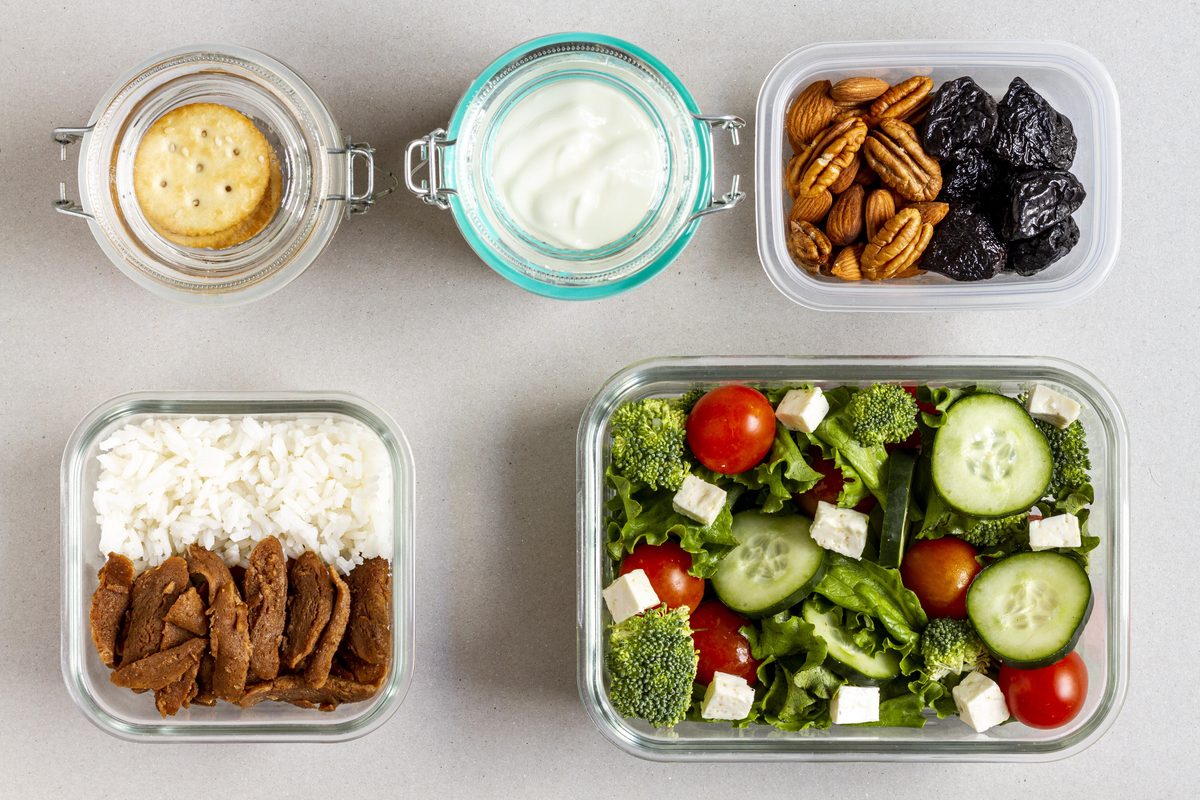
To help you, here is a list of foods to eat regularly:
- Fruit and vegetables, for their fibre;
- Some meats for their protein, notably fish;
- Starchy foods, for the carbohydrate;
- Wholegrain cereals, for the minerals;
- Oils, for their benefits;
- Spices and herbs, to strengthen the immune system;
- But also supplements in the form of seeds or dried fruit.
It goes without saying that these foods should be eaten raw when possible, and steamed or cooked by any other method that preserves their benefits.
Furthermore, according to the recommendations of Dr Jean Seignalet, you should avoid exposing food to a very intense source of heat, at the risk of making it carcinogenic.
Besides, you can always play with flavour by adding herbs such as parsley, coriander and bay leaf, as well as spices such as paprika, cayenne pepper, turmeric or cinnamon.
Foods to ban from your menu
There is no escaping it, and it is not out of concern about weight gain, far from it, but it is time to face the reality that the food industry, although it offers us tasty things, makes products that are neither natural nor good for health. That is why you should ban the following from your menu:
- Sweets and any product containing refined sugar;
- All industrial drinks with chemical additives;
- But also gluten (from wheat especially) resulting from the cracking process;
- Lastly, products made from cow’s milk.
The basics of fitness nutrition
The importance of a balanced diet
Food plays a crucial role in reaching fitness goals. Balanced nutrition gives the body the nutrients it needs to optimise muscle recovery, improve performance and support general health. Many specialist nutrition shops offer a wide range of products suited to every need.
A varied diet includes an adequate proportion of macronutrients and micronutrients. Make sure you eat protein to repair muscle tissue, carbohydrate for energy and fat for proper hormonal and cellular function. Once again, do not hesitate to speak to a specialist shop, where expert staff will be available to give you professional advice and help you put together a personalised diet.
Macronutrients: protein, carbohydrate, fat
Macronutrients are the food components our body needs in large amounts. Protein is essential for muscle growth and repair, especially after training. Carbohydrate, for its part, is the main source of energy, particularly important for intense sessions. Fat should not be neglected, as it plays a vital role in many body functions.
Many dedicated shops offer sports nutrition options such as proteins of various types (whey, isolate, plant-based, casein), carbohydrates for energy and even options for people following specific diets such as vegan, vegetarian, gluten-free or organic.
The role of vitamins and minerals
Vitamins and minerals, although needed in smaller amounts than macronutrients, are essential for a properly working metabolism, bone health, energy production and protection against oxidative damage. They also contribute to recovery after exercise and strengthen the immune system.
The health and wellbeing range from well-known nutrition shops includes multivitamins, omega-3, probiotics, collagen and much more. These supplements support the nutritional balance needed to meet the demands of an active lifestyle.
Essential supplements in fitness
Protein: whey and casein
Protein powders are among the most popular supplements in the fitness world. Whey is valued for its fast absorption, which makes it an ideal choice after training. Casein, for its part, is digested more slowly, which provides protein over a longer period, ideal before sleep or between meals.
Do not hesitate to go to your nearest specialist shop, where you will find a variety of proteins, including vegan options, isolates and blends, to suit all diets and food preferences.
BCAA: branched-chain amino acids
BCAAs, or branched-chain amino acids, are a group of essential amino acids comprising leucine, isoleucine and valine. They are said to be particularly effective at preventing muscle breakdown and promoting protein synthesis, which makes them crucial for those looking to preserve or increase muscle mass.
Today, many products designed specifically for this purpose contain a selection of BCAAs and other amino acids, including EAAs, to complement athletes’ diets and make sure they get all the components needed for optimal recovery.
Fat burners and energy boosters
Fat burners are designed to help speed up metabolism and increase calorie expenditure, while energy boosters can provide the energy needed for more intense and productive workouts. These supplements can be a valuable addition when it comes to losing weight or improving endurance and performance.
With products such as creatine, L-carnitine, detox drainers and pre-workout boosters, you have a complete arsenal of products to help you maximise your results in the gym.
Nutrition strategies for fitness goals
Muscle gain and gainers
For those looking to gain muscle mass, it is essential to keep calorie intake above energy expenditure. Gainers are high-calorie supplements that help reach the calorie surplus needed to build muscle. They are generally made up of a mix of protein and carbohydrate to support muscle growth and recovery.
Whether online or in a physical shop, gainers are available in different formulas, such as Lean Gainer or Hard Gainer, to match the specific goals of users, whether beginners or experienced athletes.
Weight loss and muscle definition
Weight loss and muscle definition often involve a low-calorie diet and an increase in physical activity. Using fat burners and appetite suppressants can help reduce appetite and increase metabolism. At the same time, a diet rich in protein and low in carbohydrate can help preserve muscle mass.
You can easily find solutions suited to these goals at your usual fitness supplier, including healthy, low-calorie food and snack options, as well as specific supplements for weight management.
Endurance and performance
Athletes focused on endurance and performance will benefit from targeted nutrition that supports fast recovery and raises energy levels. Adequate hydration with electrolytes, along with slow-release carbohydrate for sustained energy, is essential.
Your fitness shop probably offers a range of products designed for these needs, including energy drinks, protein bars and supplements that optimise muscular endurance and overall performance. With the help of professional advice, athletes can put together a personalised nutrition plan to support them on their sporting journey.
Read also
Food pages: Cayenne pepper, Coriander, Paprika, Bay leaf, Parsley
Recipes to try: Fish tacos, Zaalouk (Moroccan aubergine dip), Kefta tagine with eggs