Group · Herbs & spices
Ground turmeric
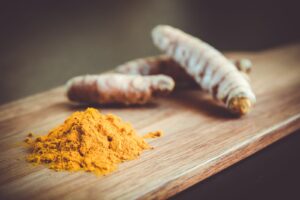
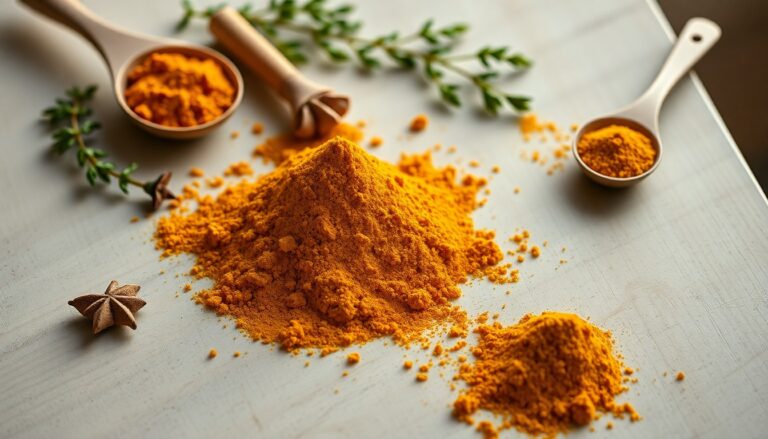
Ground turmeric is a spice of intense orange-yellow, made by drying and then grinding the rhizome of the Curcuma longa plant, which belongs to the same botanical family as ginger. A pillar of Indian and Asian cooking, it colours and flavours curries, rice, sauces and marinades with its warm, slightly bitter taste. Beyond its taste qualities, turmeric is of interest for its richness in curcumin, its characteristic pigment, as well as for its fibre and minerals. Used in very small amounts, it brings a lot of flavour for very few calories day to day. It is a valuable ally for lifting healthy dishes without resorting to salt or fat.
Macronutrient breakdown
Nutrition table per 100 g
| Calories | 291 kcal |
| Kilojoules | 1220 kJ |
| Protein | 9,7 g |
| Carbohydrate | 44,4 g |
| Fat | 3,3 g |
| Fibre | 22,7 g |
Micronutrients per 100 g
All measured nutrients, ranked by share of the daily reference intake.
- Manganese19,8 mg990 %
- Iron55 mg393 %
- Copper1,3 mg130 %
- Potassium2080 mg104 %
- Magnesium208 mg55 %
- Zinc4,5 mg45 %
- Phosphorus299 mg43 %
- Vitamin E4,43 mg37 %
- Vitamin B9dietary folate equivalents20 µg
See the other 9 nutrients
- Calcium168 mg21 %
- Vitamin K113,4 µg18 %
- Vitamin B20,15 mg11 %
- Vitamin B50,54 mg9 %
- Vitamin B31,35 mg8 %
- Vitamin B60,11 mg8 %
- Vitamin B10,06 mg5 %
- Vitamin C0,7 mg1 %
- Omega-3 ALA0 g0 %
Anses Ciqual 2025. Source: Anses, 2025, Ciqual food composition table
Tips
Ground turmeric is used by the pinch: a typical portion is 1 to 3 grams, which makes its nutrition facts very marginal on the plate. On paper, 100 g provide 291 kcal, 44.4 g of carbohydrate, 9.68 g of protein, 3.25 g of fat and 22.7 g of fibre, but you never eat such amounts. As for calories, it is therefore an almost free seasoning, ideal for flavouring without weighing down your dishes.
- Smart pairings: curcumin is absorbed better in the presence of some fat and a little black pepper, whose piperine aids absorption.
- Cooking: add it at the start of cooking in hot oil to release its aromas, or at the end of preparation in a soup or smoothie.
- Storage: keep it in an airtight jar, away from light and moisture, to preserve its colour and scent.
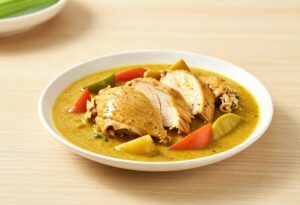
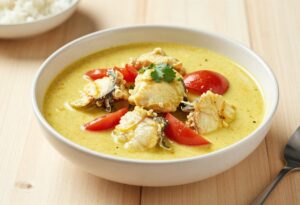
In the kitchen, turmeric goes happily with ground ginger, cumin and coriander in curry-style blends and garam masala. It lifts lentils, roasted vegetables, rice, scrambled eggs and golden milk. You can also sprinkle it over a poultry or fish marinade before cooking.
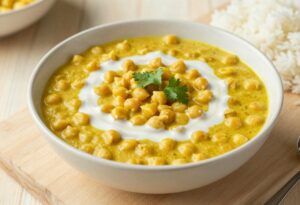
For active people, turmeric is above all a flavour asset: it lets you season generously meals rich in protein and complex carbohydrate without adding sodium or sugar. A pinch in a bowl of rice, chickpeas and vegetables adds taste to a recovery plate after exercise. Combined with gentle cooking, it fits perfectly into an approach of cooking that preserves nutrients and flavour.
From a weight control point of view, turmeric ticks every box: negligible calorie density at the doses used, no added sugar and strong aromatic power that helps cut back on salt and fatty sauces. It is a simple habit for making slimming cooking tastier and more varied.
You will find other colourful spices such as paprika, and the whole world of herbs and spices, to diversify your everyday seasonings. If you are taking concentrated supplements, it is best to seek advice from a healthcare professional.
Turmeric supplements: hepatitis, acceptable dose, piperine and contraindications in our guide turmeric: risks and contraindications.