Group · Meat
Chicken thigh
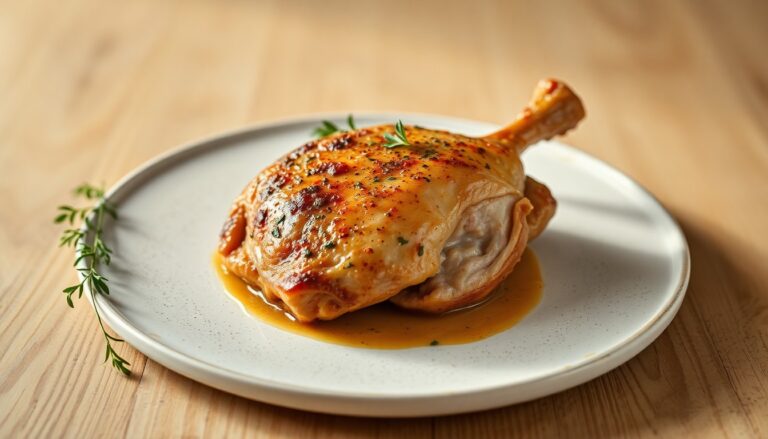
The chicken thigh is one of the most popular cuts of poultry, for its tender, juicy and flavoursome meat. Richer in taste than the breast, it is made up of the upper thigh and the drumstick, two parts that suit many preparations. With around 205 kcal per 100 g, it offers nearly 25.9 g of protein and 11.3 g of fat, with no carbohydrate. It is an interesting source of good-quality protein, iron and B vitamins. Versatile and economical, chicken thigh fits easily into a balanced diet, whether roasted, stewed or grilled, for all profiles, from families to athletes.
Macronutrient breakdown
Nutrition table per 100 g
| Calories | 205 kcal |
| Kilojoules | 859 kJ |
| Protein | 25,9 g |
| Fat | 11,3 g |
Micronutrients per 100 g
All measured nutrients, ranked by share of the daily reference intake.
- Vitamin B36,35 mg40 %
- Selenium17,3 µg31 %
- Phosphorus200 mg29 %
- Zinc2,16 mg22 %
- Vitamin B60,28 mg20 %
- Vitamin B120,42 µg17 %
- Potassium324 mg16 %
- Vitamin B50,88 mg15 %
See the other 18 nutrients
- Omega-6 LA1,41 g14 %
- Vitamin B20,18 mg13 %
- DHA0,02 g9 %
- Iron1,2 mg9 %
- Omega-3 ALA0,15 g8 %
- Total omega-30,18 g7 %
- Magnesium25,1 mg7 %
- Copper0,06 mg6 %
- Vitamin B10,06 mg5 %
- Vitamin K13,55 µg5 %
- EPA0,01 g4 %
- Vitamin C3 mg4 %
- Iodine5 µg3 %
- Vitamin B95,33 µg3 %
- Calcium14,6 mg2 %
- Vitamin E0,19 mg2 %
- Vitamin A8,5 µg1 %
- Manganese0,02 mg1 %
Anses Ciqual 2025. Source: Anses, 2025, Ciqual food composition table
Tips
In terms of nutrition facts, chicken thigh combines richness in protein with fat concentrated mainly in the skin. To lighten the calorie intake, remove the skin before or after cooking: this significantly reduces the fat while keeping the protein and minerals (iron, zinc, phosphorus) as well as vitamins B3 and B6.
How to eat chicken thigh? A portion of 130 to 150 g suits a main meal. Favour controlled cooking methods:
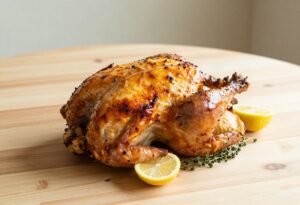
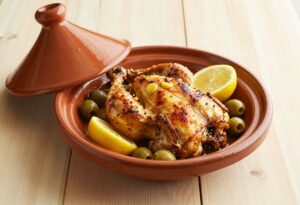
- Roasted: marinated in herbs, lemon and garlic, skin side up for tender meat.
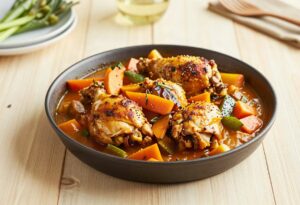
- Stewed: in a casserole with vegetables and stock, ideal for batch cooking.
- Grilled or on a plancha: without added fat, to limit calories.
- Poached: for moist meat to shred into a salad.
Serve it with fibre-rich vegetables and a wholegrain starchy food for a filling, balanced meal. Gentle cooking preserves the flavour and tenderness of the meat while avoiding excess fat.
Tips for active people: with nearly 25.9 g of protein per 100 g and no carbohydrate, chicken thigh is an excellent ally for building and recovering muscle. Eat it in a post-workout meal, paired with a source of carbohydrate (rice, sweet potato) to replenish glycogen stores. When cutting, opt for skinless, leaner pieces; chicken breast is then an even lighter alternative. To top up your protein intake over the day, discover our protein snack ideas.
Weight control: the fat in the thigh is higher than in the breast, but it remains compatible with a weight-loss diet if you moderate portions and cooking. Avoid fried, breaded versions or those coated in fatty sauces, which push up the calories. Favour simple preparation methods and seasoning based on spices.
Storage: keep raw chicken thigh for 1 to 2 days in the fridge, or freeze it quickly. Once cooked, eat it within 3 days. You can vary the pleasure with other cuts of poultry such as turkey thigh, or explore the whole meat family to balance your menus for the week. Chicken thigh remains a tasty, affordable and nutritious everyday choice.