Group · Pulses
Chickpea flour
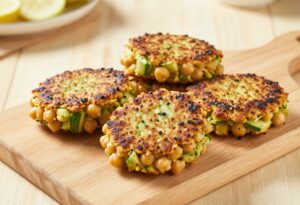
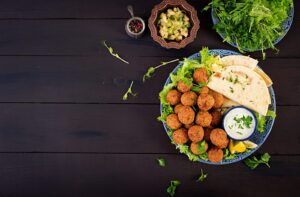
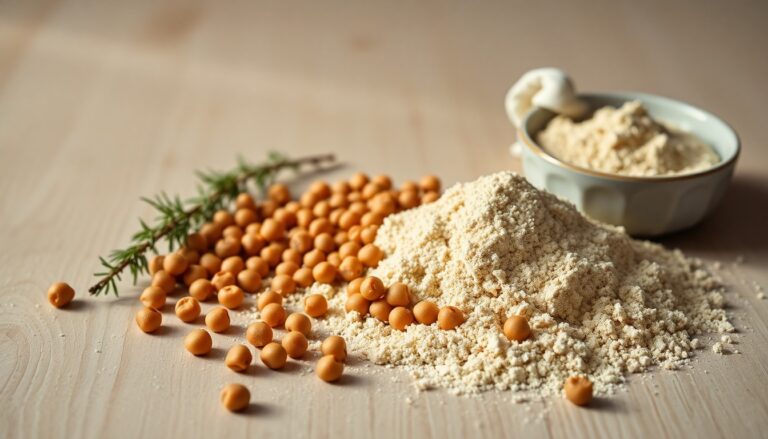
Chickpea flour is made by milling dried chickpeas. Widely used in Indian (where it is called besan), Mediterranean and Middle Eastern cooking, it goes into socca from Nice, panisses, falafels and pakoras. Naturally gluten free, this pulse flour appeals as much to fans of plant-based cooking as to sporty people looking for an alternative to standard flours. Rich in plant protein, it brings a slightly nutty flavour and a soft texture. With 359 kcal per 100 g and nearly 22.4 g of protein, it is a versatile ingredient for varying your diet day to day.
Macronutrient breakdown
Nutrition table per 100 g
| Calories | 359 kcal |
| Kilojoules | 1510 kJ |
| Protein | 22,4 g |
| Carbohydrate | 47 g |
| Fat | 6,7 g |
| Fibre | 10,8 g |
Micronutrients per 100 g
All measured nutrients, ranked by share of the daily reference intake.
- Copper0,91 mg91 %
- Manganese1,6 mg80 %
- Phosphorus318 mg45 %
- Vitamin B10,49 mg45 %
- Magnesium166 mg44 %
- Potassium846 mg42 %
- Vitamin B60,49 mg35 %
- Iron4,86 mg35 %
See the other 8 nutrients
- Zinc2,81 mg28 %
- Vitamin K19,1 µg12 %
- Vitamin B31,76 mg11 %
- Vitamin B50,61 mg10 %
- Vitamin B20,11 mg8 %
- Vitamin E0,83 mg7 %
- Calcium45 mg6 %
- Vitamin A2,08 µg0 %
Anses Ciqual 2025. Source: Anses, 2025, Ciqual food composition table
Tips
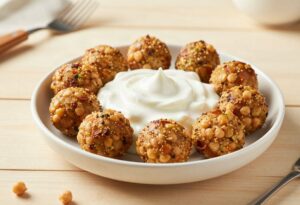
Chickpea flour features in many recipes, savoury and sweet. You can use it to make socca-style flatbreads, panisses, vegetable fritters, vegan pancakes or to thicken a sauce. Mixed with water, it replaces egg in plant-based recipes thanks to its binding power. Allow on average 30 to 50 g per portion depending on the recipe.
Nutrition facts and benefits: with around 22.4 g of protein per 100 g, it offers a useful intake of plant protein, complementary to that of cereals. Being gluten free makes it a popular option for gluten intolerance. It belongs fully to the large pulses family, known for its nutritional richness.
- Cooking methods: in a pan for flatbreads, in the oven for socca, lightly fried for fritters. Controlled cooking preserves flavour and digestibility.
- Pairings: combine it with spices (cumin, turmeric, paprika), fresh herbs, crunchy vegetables or a little plain yoghurt for balanced dishes.
- Storage: keep it in an airtight jar, away from light and damp, to preserve its freshness.
Advice for active people: thanks to its plant protein content, chickpea flour fits well into a diet geared to building mass or recovery. You can make protein flatbreads as a snack, or enrich a post-workout dish. To go further, discover our protein snack ideas, which are a great fit for an active day. It remains, however, a complement to animal sources and other pulses such as lentils or whole chickpeas.
Weight control: watch its calorie density. While it is nourishing, fried preparations or those rich in fat can quickly push the calorie count up. Favour gentle cooking and sensible portions. Like any flour, it is eaten in moderation as part of a well-thought-out balanced diet. Used wisely, chickpea flour remains a tasty, nutritious asset for diversifying your plates day to day.