Group · Fish
Haddock (aiglefin)
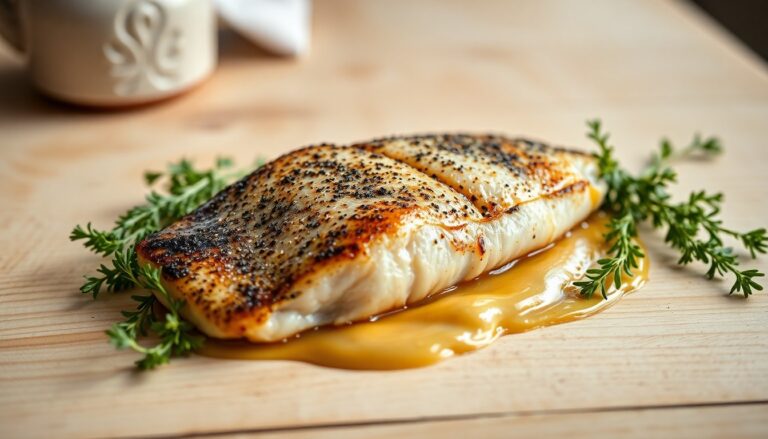
Haddock (aiglefin in French, sometimes spelt églefin) is a lean white fish of the gadoid family, a close cousin of cod and whiting. Caught mainly in the cold waters of the North Atlantic, it has fine, white and delicate flesh, valued for its mild flavour. It is sold fresh, frozen or smoked (the best-known smoked version being smoked haddock). With around 76.2 kcal per 100 g, nearly 17.3 g of protein and less than 0.35 g of fat, haddock is a great ally in a balanced, slimming-friendly diet. Rich in good-quality protein and low in carbohydrate and fat, it appeals to food lovers and active people looking for something light.
Macronutrient breakdown
Nutrition table per 100 g
| Calories | 76 kcal |
| Kilojoules | 323 kJ |
| Protein | 17,3 g |
| Carbohydrate | 1,1 g |
| Fat | 0,4 g |
Micronutrients per 100 g
All measured nutrients, ranked by share of the daily reference intake.
- Iodine126 µg84 %
- Selenium36 µg65 %
- Vitamin B121,07 µg43 %
- DHA0,09 g37 %
- Vitamin B60,32 mg23 %
- Phosphorus144 mg21 %
- EPA0,05 g20 %
- Vitamin B32,64 mg17 %
See the other 13 nutrients
- Potassium292 mg15 %
- Magnesium26,4 mg7 %
- Total omega-30,14 g6 %
- Vitamin B911,3 µg6 %
- Zinc0,32 mg3 %
- Vitamin E0,33 mg3 %
- Iron0,28 mg2 %
- Vitamin B50,11 mg2 %
- Calcium9,23 mg1 %
- Vitamin K10,1 µg0 %
- Vitamin A1 µg0 %
- Omega-3 ALA0 g0 %
- Omega-6 LA0 g0 %
Anses Ciqual 2025. Source: Anses, 2025, Ciqual food composition table
Tips
In the kitchen, haddock suits many preparations. Its delicate flesh benefits from gentle cooking: poached in stock, steamed, baked in parchment with a squeeze of lemon, or oven-roasted with a few fresh herbs. Gentle cooking preserves the nutrients and tenderness of this lean fish, which does not cope well with overcooking. A portion of 120 to 150 g is just right for a meal, served with green vegetables and a wholegrain starchy food.
Nutrition facts and benefits. Haddock stands out for its protein density (around 17.3 g per 100 g) for just 76.2 kcal, with no carbohydrate or fibre and very little fat. It is therefore a fish with a glycaemic index of zero, ideal for keeping appetite steady. It provides useful minerals such as phosphorus, selenium and iodine, as well as B vitamins. Its low fat content sets it apart from oily fish such as mackerel or salmon, which are richer in omega-3 but also higher in calories.
Tips for active people. Thanks to its excellent protein-to-calorie ratio, haddock naturally has its place in an athlete’s diet. It supports muscle recovery after exercise without adding to calorie intake, which makes it an asset for cutting or lean bulking. You can include it in your evening meal after training, served with rice or sweet potato to replenish glycogen stores. To go further in managing your intake, fitness nutrition offers good guidance.
Weight control. Fresh or frozen haddock is one of the lowest-calorie fish, perfect in a balanced diet. Beware, however, of smoked or breaded versions, which are saltier or fattier, and of rich sauces, which push up the calorie count. Opt for light seasonings: herbs and spices, lemon juice, a drizzle of raw olive oil.
- Seasonality: best from autumn to spring.
- Storage: eat it very fresh, or keep it in the freezer for up to 3 months.
- Pairings: steamed vegetables, mash, lentils or quinoa.
To discover other lean white fish and compare their profiles, explore the fish family or check the food calorie table to adjust your meals.