Group · Pulses
Soybeans
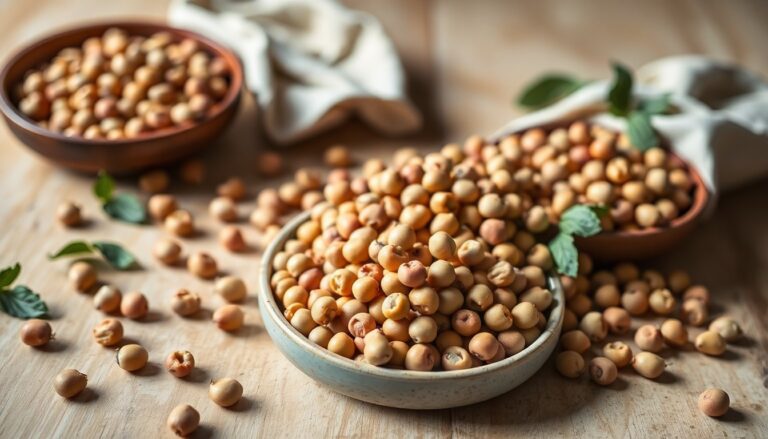
Soybeans are oil- and protein-rich pulses, among the richest in the plant kingdom. Coming from the Glycine max plant, they take many forms: dried yellow beans, fresh beans (edamame), sprouted beans, or processed into tofu, tempeh, milk and flour. What makes them special? An exceptional nutritional profile combining a high protein content, quality fats and plenty of fibre. With around 40 g of protein per 100 g, soya is a benchmark for anyone looking for a complete plant source. In a balanced diet, it fits as well into vegetarian dishes as into rebalancing your intake. Versatile and nourishing, soybeans deserve a real place in your kitchen.
Macronutrient breakdown
Nutrition table per 100 g
| Calories | 441 kcal |
| Kilojoules | 1840 kJ |
| Protein | 40 g |
| Carbohydrate | 20,9 g |
| Fat | 19,9 g |
| Fibre | 9,3 g |
Micronutrients per 100 g
All measured nutrients, ranked by share of the daily reference intake.
- Copper1,66 mg166 %
- Manganese2,52 mg126 %
- Iron15,7 mg112 %
- Phosphorus704 mg101 %
- Omega-6 LA9,04 g90 %
- Potassium1800 mg90 %
- Vitamin B10,87 mg79 %
- Magnesium280 mg75 %
- Vitamin B9dietary folate equivalents375 µg
See the other 13 nutrients
- Omega-3 ALA1,29 g65 %
- Vitamin K147 µg63 %
- Vitamin B20,87 mg62 %
- Zinc4,89 mg49 %
- Calcium277 mg35 %
- Vitamin B60,38 mg27 %
- Selenium8,8 µg16 %
- Vitamin B50,79 mg13 %
- Vitamin B31,62 mg10 %
- Vitamin C6 mg8 %
- Vitamin E0,85 mg7 %
- Iodine3,3 µg2 %
- Vitamin A1,08 µg0 %
Anses Ciqual 2025. Source: Anses, 2025, Ciqual food composition table
Tips
First, be aware that dried soybeans have a high calorie density: around 441 kcal per 100 g. This figure applies to the raw, concentrated product. Once soaked and cooked, the beans swell and absorb water, which dilutes the calories per portion. Allow a sensible portion of 40 to 60 g dry, the equivalent of a generous ladleful once prepared.
Preparation and cooking: soybeans need long soaking (8 to 12 hours) then prolonged cooking to become digestible. Gentle, prolonged cooking best preserves their nutrients. You can then blend them into hummus, or add them to soups, curries or vegetable stir-fries.
- Protein: with 40 g per 100 g, soya supplies the essential amino acids, a rare asset for a plant source.
- Fat: around 19.9 g, mostly unsaturated fatty acids.
- Carbohydrate and fibre: 20.9 g of carbohydrate and nearly 9.3 g of fibre, which help with fullness and digestive comfort.
- Minerals: soybeans provide iron, magnesium, potassium and plant-based calcium.
Advice for active people: thanks to their richness in protein, soybeans are valuable for supporting muscle development and recovery. They complement other sources such as lentils or tofu on a plant-based plate. For a post-exercise snack, pair them with a wholegrain cereal to optimise the carbohydrate intake for recovery. If you want to go further, our guide to fitness nutrition details how to structure your protein intake.
Winning pairings: combine soybeans with colourful vegetables, herbs and a drizzle of oil for a complete dish. Sprouted versions, such as soybean sprouts, add a crunchy touch to salads and stir-fries, with fewer calories.
Weight control: despite their many benefits, soybeans remain high in calories. Keep an eye on portions, especially if you are trying to lose weight, and favour cooking without too much fat. To discover other plant protein sources, explore the pulses family, ideal for varying your menus while keeping your intake under control.