Group · Starchy foods
Spaghetti
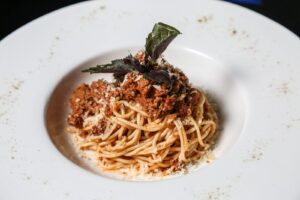
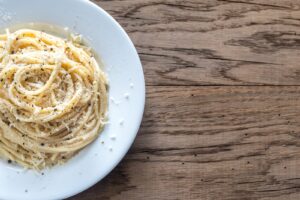
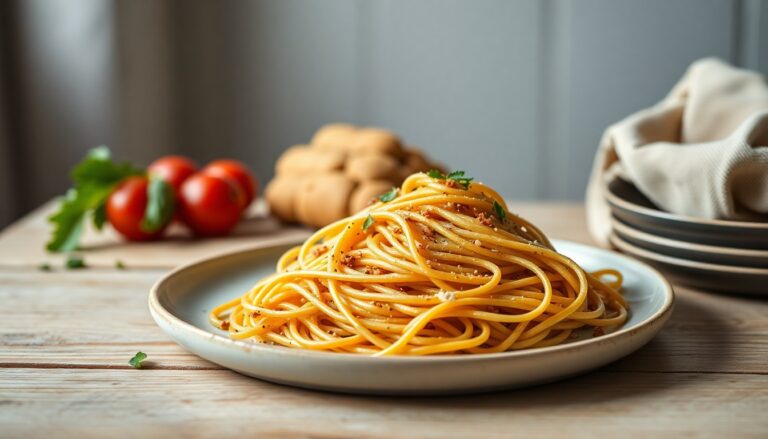
Spaghetti is one of the most emblematic pastas of Italian cooking. These long strands of pasta, made from durum wheat semolina and water, win people over with their simplicity and versatility. Once cooked, they provide around 167 kcal per 100 g, with nearly 31.4 g of carbohydrates, 6.69 g of protein and only 1.1 g of fat. Like all starchy foods, they are a source of long-lasting energy, ideal for supporting the pace of an active day. Available in standard, wholewheat or egg versions, spaghetti naturally has a place in a balanced diet, provided you watch the portions and the richness of the sauces that go with it.
Macronutrient breakdown
Nutrition table per 100 g
| Calories | 167 kcal |
| Kilojoules | 706 kJ |
| Protein | 6,7 g |
| Carbohydrate | 31,4 g |
| Fat | 1,1 g |
| Fibre | 2,2 g |
Micronutrients per 100 g
All measured nutrients, ranked by share of the daily reference intake.
- Manganese0,41 mg21 %
- Copper0,15 mg15 %
- Phosphorus72,5 mg10 %
- Selenium4,21 µg8 %
- Vitamin B10,08 mg7 %
- Magnesium21,9 mg6 %
- Zinc0,51 mg5 %
- Iron0,68 mg5 %
See the other 10 nutrients
- Omega-6 LA0,44 g4 %
- Potassium52,1 mg3 %
- Vitamin B95,2 µg3 %
- Calcium18 mg2 %
- Vitamin B60,03 mg2 %
- Vitamin B50,1 mg2 %
- Omega-3 ALA0,03 g1 %
- Vitamin B30,21 mg1 %
- Vitamin B120,01 µg1 %
- Vitamin A1,25 µg0 %
Anses Ciqual 2025. Source: Anses, 2025, Ciqual food composition table
Tips
Great spaghetti starts with the cooking. To get an al dente texture, plunge it into a large volume of salted boiling water and follow the stated time, generally between 8 and 11 minutes. Cooked al dente, its glycaemic index stays more moderate than with prolonged cooking, which encourages a gradual release of energy. Avoid rinsing too much, to keep the starch that helps the sauce coat the pasta.
For portions, allow about 60 to 80 g of dry spaghetti per person as a main course, equivalent to about 150 to 200 g cooked. For pairings, favour simple sauces: fresh tomato, seasonal vegetables, herbs, a drizzle of olive oil. Creamy sauces and lots of cheese quickly increase the calorie density of the dish, something to watch if you are keeping an eye on your weight.
- Varieties to explore: you can vary with wholewheat spaghetti, higher in fibre, or discover the wider world of pasta in all its shapes.
- Fibre content: at 1.8 g per 100 g, standard spaghetti contains little. Combine it with vegetables or pulses for a more filling meal.
- Protein: 6.69 g per 100 g, ideally topped up with a source of protein such as eggs, fish or lean meat.
For active people, spaghetti is a great ally. Rich in complex carbohydrates, it helps replenish muscle glycogen stores. A pasta meal the day before or a few hours before an endurance event helps build up an energy reserve. After exercise, pair it with protein to support muscle recovery. If you want to optimise your intake, you will find full advice in our guide to nutrition for fitness.
When it comes to slimming, there is no need to ban spaghetti: it is the accompaniment and the quantity that make the difference. A reasonable portion, a light sauce and plenty of vegetables let you enjoy this dish without excess. You can also alternate with other starchy foods by looking at the starchy foods family or compare nutrition facts using the food calorie table.
For storage, dry spaghetti keeps for a very long time in a cupboard away from damp. Once cooked, put it in the fridge in an airtight container and eat it within 2 to 3 days. It lends itself perfectly to batch cooking to save time during the week.