Daily Physical Activity: A Benefit for All Ages

Not having time for sport is a reality for many adults, and only 49% reach the recommended 150 minutes of physical activity a week. Yet daily physical activity does not demand performance: it hides in simple everyday movements, such as climbing the stairs, gardening or even dancing while you wash up. These micro-movements, often underestimated, transform health and wellbeing by reducing stress and improving sleep and energy. Discover ways to build them in effortlessly, inspired by initiatives such as the « 30 minutes of daily physical activity » (APQ) in French schools, which show that every step counts in the fight against inactivity from the youngest age.
👉 Free tool: Calories burned – calculate in 30 seconds, no sign-up needed.
- What is daily physical activity and why is it essential?
- What are the concrete benefits of physical activity for your health?
- The recommendations and the reality of our inactivity
- Physical activity as a societal issue: the example of schools
- How to fit more movement into your day: practical solutions
- Making physical activity a lasting habit for your wellbeing
What is daily physical activity and why is it essential?
Defining physical activity beyond sport
Daily physical activity (APQ in French) covers any body movement that uses energy, without requiring any specific sporting performance. According to the World Health Organization, it is « any bodily movement produced by skeletal muscles that requires energy expenditure ». It includes simple actions: climbing the stairs, watering the plants or carrying shopping. Did you know that 49% of adults do not meet the 150 minutes of activity recommended per week? Yet even short bouts added up over the day count. The message is clear: daily physical activity is for everyone, with no special equipment or skill. It can reduce the risk of cardiovascular disease by 20 to 30% and improve mental health.
The four main areas of physical activity
Daily physical activity fits into four spheres of life. At work, a sedentary desk job can be offset by active breaks, walking meetings or taking the stairs. Active travel includes walking, cycling or getting off the bus a stop early, solutions that improve your health while reducing the stress of traffic jams. Housework such as cleaning or gardening burns between 200 and 400 calories an hour, while keeping you in a healthy routine. In leisure time, dancing while you cook or playing with your children boosts energy expenditure. Every movement counts: 10,000 steps a day, around 7 km, reduce the risk of chronic disease. By building in these activities, you strengthen your heart, lift your mood thanks to endorphins and fight inactivity, which is responsible for 9% of premature deaths according to the WHO. Studies show that walking 30 minutes a day can reduce the risk of depression by 35%, illustrating its power over mental health.
What are the concrete benefits of physical activity for your health?
A shield for your physical health
Moving for 150 minutes a week reduces overall mortality by 31% and helps prevent conditions such as type 2 diabetes and cardiovascular disease. For older adults, balance exercises three times a week lower the risk of falls by 21%. Walking 30 minutes a day or gardening strengthens bone density and prevents fractures, while preserving independence through simple movements such as stretching.
For weight management, a brisk walk burns 150 calories per 30 minutes, but more intense activities (running, rowing) multiply that effect by 4. Combined with a balanced diet, it preserves muscle mass, which is essential for an active metabolism. Even housework or cycling trips count: every movement helps break up sitting time, especially if you sit for 9 hours a day.
A major asset for your mental wellbeing
Physical activity releases endorphins and serotonin, reducing cortisol, the stress hormone. A daily yoga session reduces anxiety symptoms by 26%, equivalent to cognitive behavioural therapy. It also boosts memory from childhood: active pupils show better concentration at school. In older adults, regular walking reduces the risk of cognitive decline by 35% by activating the hippocampus, which is linked to memory.
To combat stress, outdoor sport (swimming, cycling) refocuses the mind by concentrating on breathing or movement. It improves sleep if done before 8pm, avoiding late-night overstimulation. Finally, group activities (classes, walks with friends) strengthen social ties and reduce isolation, while boosting self-esteem through positive interactions.
The recommendations and the reality of our inactivity
How long should you move each week?
The World Health Organization (WHO) recommends 150 minutes of moderate to vigorous physical activity per week for adults. That is equivalent to 30 minutes a day, five days out of seven.
Yet only 49% of adults meet these recommendations, according to national data. In France, the goal of 30 minutes a day is built into initiatives such as daily physical activity (APQ) in schools. Among adults, this lack of activity is compounded by growing sedentary behaviour, with an average of 9.6 hours a day spent sitting, excluding sleep.
The facts on sedentary behaviour: the silent enemy
Sedentary behaviour is defined as energy expenditure below 1.5 MET while sitting or lying down, excluding sleep. It is an independent risk factor for premature death, cardiovascular disease and type 2 diabetes, even in people who are active.
Studies show that health risks rise from 8 hours of sedentary time a day. To limit these effects, it is advisable to stand up every 30 minutes and replace an hour of sitting with 5 to 10 minutes of light activity, such as walking. These habits reduce mortality by up to 24% in people who are not very active.
Faced with these challenges, simple solutions exist: favour active travel, build active breaks into your working day, or regularly step away from screens. The aim is clear: move more often to counter the invisible but dangerous effects of prolonged immobility.
Physical activity as a societal issue: the example of schools
The « 30 minutes of daily physical activity » initiative
Since 2022, French primary schools have included 30 minutes of physical activity every day (APQ), in addition to PE lessons. Part of the « health-promoting school » approach, this scheme tackles inactivity (17% of children are overweight) and supports wellbeing and learning. Lively games, motor skills courses or coordination exercises are adapted to the classroom or playground, with no special kit needed.
More than 15,000 sports kits (cones, balls, skipping ropes) make the initiative accessible. The goal: to involve 36,250 primary schools by 2024. Today, 91.5% of schools apply the programme, with strong support from teachers (94% report benefits).
Why act from the youngest age?
The early school years are key to establishing healthy habits. Daily physical activity builds motor skills (balance, coordination) and prevents the risks linked to inactivity. With 80% of young people not meeting the 60 minutes a day recommended by the WHO, this measure is a priority response.
Carried by the momentum of the Paris 2024 Olympic Games, the programme draws on the « 30 Minutes French Team », made up of 150 elite athletes. Its strength is flexible, inclusive delivery. It can be split up over the day, needs no special equipment and involves the whole education community (families, associations, local councils) for practices accessible to all.
How to fit more movement into your day: practical solutions
Identify the barriers to overcome them
Almost half of adults (51%) do not meet the recommendation of 150 minutes of physical activity a week, with an average of 9.6 hours of inactivity a day. These figures point to widespread obstacles:
- Lack of time or energy in the face of daily demands, made worse by busy days and a sense that other responsibilities come first.
- Fear of injury or difficulty getting started without support, especially for beginners or people in insecure circumstances.
- The cost of a gym membership, even though free alternatives exist, such as running routes or online classes.
- An unfavourable environment (weather, lack of cycle lanes, unsafe areas), limiting access to safe places to move.
Adapting solutions to individual circumstances maximises effectiveness. For example, someone living in a rural area can favour walks outdoors, while a city dweller can opt for active travel.
An action plan to move more at every point in the day
| Time of day | Micro-activities (1-5 minutes) | Moderate activities (10-30 minutes) |
|---|---|---|
| Morning | Do squats while brushing your teeth, stretch while waiting for the coffee to brew. | Get off public transport a stop early, take the stairs instead of the lift. |
| At work / Working from home | Walk during phone calls, take a 5-minute active break every hour (stretches, jumping on the spot). | Use your lunch break for a brisk walk outside. |
| Evening / Weekend | Dance while washing up, stretch in front of the television during the adverts. | Join in active family games (tag, skipping rope), go for a bike ride or a hike. |
Micro-activities, although fleeting, add up to as much as 80 minutes of exercise a day if practised regularly. For example, alternating 5 minutes of squats or brisk walking with daily tasks reduces prolonged inactivity. Moderate activities, for their part, strengthen the cardiovascular system and stimulate the release of endorphins, improving mood and wellbeing.
A few tips to stay motivated
To keep it regular, favour:
- Smartphone reminders for regular active breaks, building habits step by step.
- Accessible equipment to reduce friction (shoes, resistance bands), as the « 30 minutes APQ » initiative shows in schools.
- An energising approach: exercise fights fatigue rather than causing it, relying on the proven revitalising effect of light exercise.
- Enjoyable activities that match your tastes (dance, games, cycling) to avoid boredom and performance plateaus.
- Variety: alternate walking, light strength training and exercises during the day, working different muscle groups and reducing monotony.
- A social dimension: moving with a friend or in a group strengthens commitment, drawing on the group dynamics seen among teenagers.
- Music or podcasts to liven up sessions, lifting your mood and turning exercise into a moment of learning or relaxation.
Adapting these tips to your own pace encourages lasting commitment, by aligning practice with personal enjoyment.
Making physical activity a lasting habit for your wellbeing
Every movement counts: the importance of consistency
Inactivity eats away at our daily lives, with 9.6 hours of inactivity a day on average. Yet every movement counts towards reversing the trend. It is not about breaking records, but about building micro-movements into your routine. Walking for 5 minutes every hour adds up to 80 minutes of activity a day. Active breaks or using the stairs turn ordinary tasks into allies for your health.
Where to start today?
There is no need to overhaul your schedule to get going. Three simple actions are enough to create positive momentum:
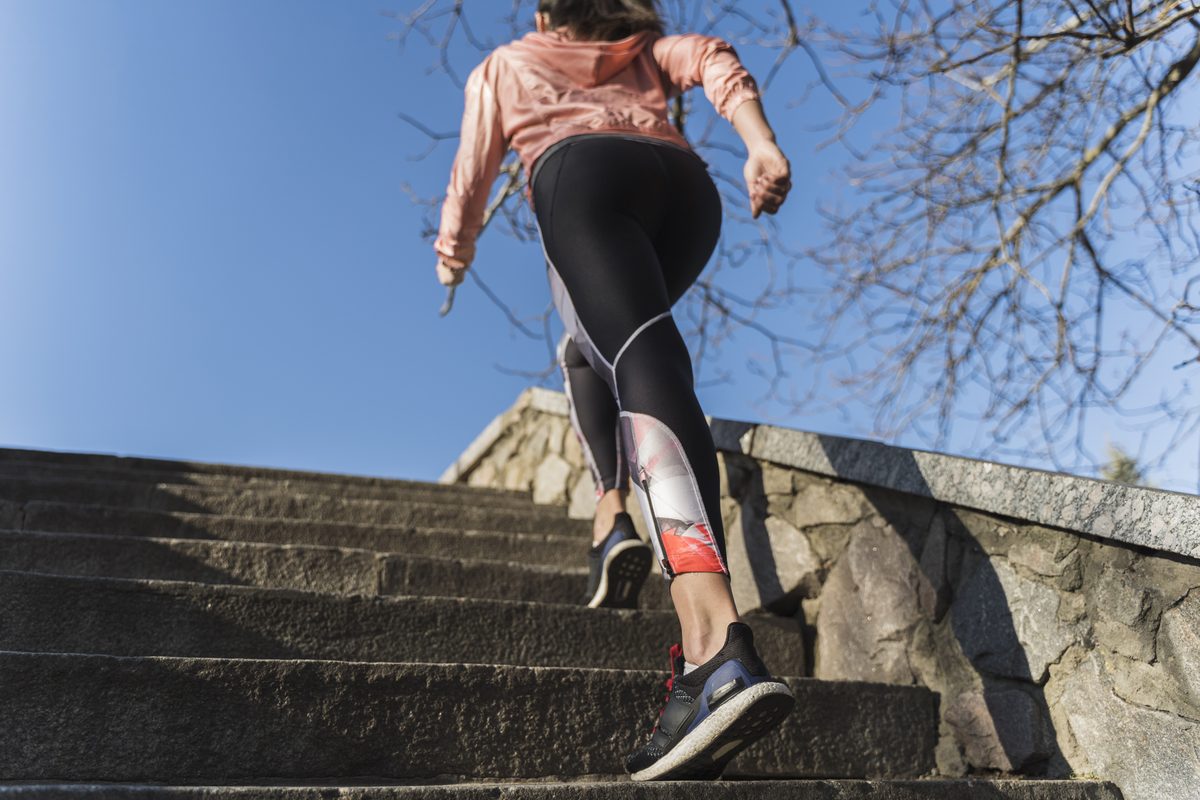
- One single commitment: choose the stairs over the lift for 7 days. This daily habit builds your endurance without effort.
- One single alarm: set a reminder for quick stretches. This break wakes up your circulation and reduces muscle tension.
- One single active call: turn a phone call into a walk. Combine communication and physical activity to make the most of your time.
The key is to turn intention into habit, one step at a time. Even the most modest actions, like dancing while washing up, boost your mental and physical vitality. Consistency matters more than intensity: every micro-action builds a solid foundation for overall wellbeing.
Daily physical activity is not reserved for sportspeople: every movement counts, whether it is climbing the stairs, walking or stretching. By fighting inactivity, even in short bursts, you strengthen your physical and mental health. Start today with a simple change of habit – a step, an active break, a daily choice for lasting wellbeing.
FAQ
What daily physical activity suits everyone?
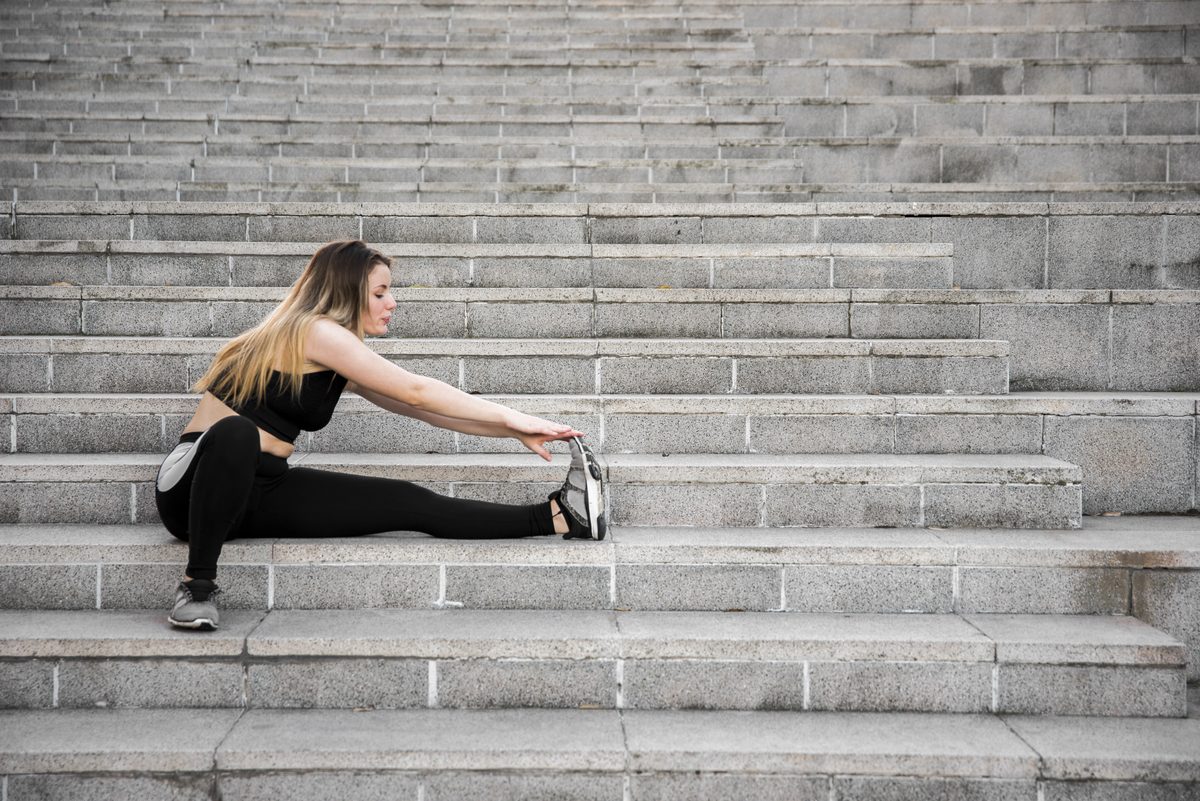
Daily physical activity covers all movements that work the muscles and use energy, without necessarily being organised sport. Walking, climbing the stairs, gardening, washing up or playing with your children all count as physical activity. The main thing is to avoid prolonged sitting by introducing movement throughout the day. For beginners, simple actions such as standing up to stretch every hour or getting off public transport a stop early are enough to start a healthy routine.
How can you easily fit physical activity into daily life?
To fit physical activity into daily life, you can favour active alternatives: taking the stairs instead of the lift, cleaning energetically, walking during phone calls or stretching in front of the television. You can also set reminders on your phone to take regular active breaks. The aim is to split activity into micro-sessions of 5 to 10 minutes several times a day, which lets you reach the recommended 150 minutes a week without strain.
What simple exercises can you do every day?
For a daily routine accessible to everyone, you can alternate squats while brushing your teeth, wall press-ups, dynamic stretches or 10-minute brisk walks. Strength exercises such as lunges or planks are doable at home with no equipment. For the more motivated, you can add light jumps or skipping rope sessions. The key is to vary the movements to work different muscle groups without overloading one part of the body.
Which sports can you do for 30 minutes a day?
Brisk walking, cycling or swimming are ideal for 30 minutes of daily practice. Walking burns around 200 calories depending on weight and speed, while protecting the joints. Cycling strengthens the legs and improves endurance. For those who like intensity, skipping rope offers an effective cardiovascular workout in a short time. Indoors, yoga or online aerobics classes are suitable. The choice depends on preferences and circumstances, but all of these sports help reduce cardiovascular risk.
Is it worth doing 20 minutes of exercise a day?
Yes, even 20 minutes of physical activity a day has concrete benefits. Studies show that a brisk walk of this length significantly reduces the risk of cardiovascular disease. This duration is also enough to stimulate the release of endorphins, improving mood and concentration. For beginners, two 10-minute sessions spread across the day are just as beneficial as a single 20-minute session. The key is to be regular rather than aiming for immediate performance.
What is the ideal exercise for a daily session?
The ideal exercise varies according to preferences and constraints. For a short 15-20 minute format, squats, press-ups and lunges done back to back make an effective trio to work the whole body. For cardio fans, 10 minutes of skipping rope or a 15-minute stair session is enough to raise your heart rate. Outdoors, a brisk walk or a moderate jog at a sustained pace remains the most accessible. The essential criterion is to choose an exercise you enjoy so that you can keep it up in the long term.
What physical activities can you do at home without equipment?
At home, you can do squats while watching an episode on TV, wall press-ups while a dish is cooking or dynamic stretches while waiting for water to boil. Marching on the spot with high knees, alternating lunges or side planks strengthen muscles and posture. For more intensity, you can string together 30 seconds of effort (high knees, jumps) followed by 30 seconds of rest (HIIT method). Free online resources offer guided sessions without equipment, suited to all levels.
How do you create a daily workout routine?
To keep up a daily routine, start with realistic goals: 10 minutes of stretching in the morning or a warm-up before work. Favour activities you can do at any time, such as brisk lunchtime walks or strength exercises during the TV adverts. Setting audible or visual reminders helps you stay regular. Adapt sessions to the day’s constraints: a quick 10-minute circuit on weekdays, a family stroll at the weekend. The key is not to wait for the « perfect moment » to move.
Why is it recommended to move for 30 minutes a day?
The 30 minutes of daily physical activity correspond to the minimum dose to significantly reduce the risk of chronic disease. This duration improves blood circulation, regulates blood pressure and prevents the build-up of visceral fat. Mentally, it stimulates the release of endorphins and serotonin, reducing stress and anxiety. For people who are inactive, this regular practice improves sleep quality and endurance for everyday tasks. By adding up 30 minutes a day, you prevent both heart risks and concentration problems.
Read also
Food guides: Coffee
💼 Careers & guidance: interested in this field professionally? Discover our career profiles: adapted physical activity teacher, fitness trainer.


