Group · Herbs & spices
Cumin
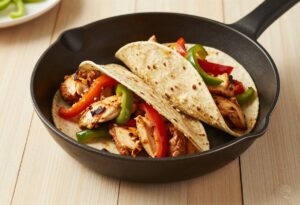
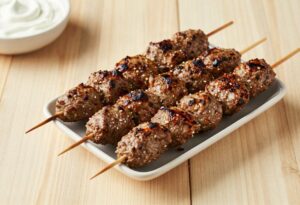
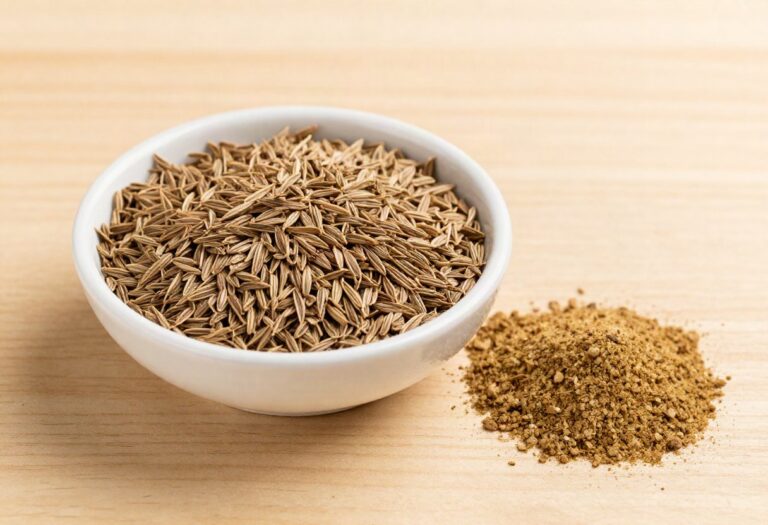
Cumin is a spice made from the dried seeds of a plant in the Apiaceae family, grown since antiquity in the Middle East, India and the Mediterranean basin. It comes in two main forms: whole seeds, with a warm, slightly bitter flavour, and ground cumin, which is more practical day to day. Inseparable from Indian, Moroccan and Mexican cooking, it flavours curry, chilli, tagines and pulses. As for nutrition facts, cumin provides 427 kcal per 100 g, but is used by the pinch: its real calorie contribution stays minimal. Rich in fibre, plant protein and minerals, it lifts dishes while limiting the need for salt. A clever spice in a balanced diet.
Macronutrient breakdown
Nutrition table per 100 g
| Calories | 427 kcal |
| Kilojoules | 1780 kJ |
| Protein | 17,8 g |
| Carbohydrate | 33,7 g |
| Fat | 22,3 g |
| Fibre | 10,5 g |
Micronutrients per 100 g
All measured nutrients, ranked by share of the daily reference intake.
- Iron66,4 mg474 %
- Manganese3,33 mg167 %
- Calcium931 mg116 %
- Magnesium366 mg98 %
- Potassium1790 mg90 %
- Copper0,87 mg87 %
- Phosphorus499 mg71 %
- Vitamin B10,63 mg57 %
- Vitamin B9dietary folate equivalents10 µg
See the other 9 nutrients
- Zinc4,8 mg48 %
- Vitamin B60,44 mg31 %
- Vitamin B34,58 mg29 %
- Vitamin E3,33 mg28 %
- Omega-6 LA2,53 g25 %
- Vitamin B20,33 mg24 %
- Vitamin C7,7 mg10 %
- Vitamin A63,5 µg8 %
- Vitamin K15,4 µg7 %
Anses Ciqual 2025. Source: Anses, 2025, Ciqual food composition table
Tips
Cumin is eaten in small doses, generally half a teaspoon to a teaspoon per recipe. At that scale, its calories are negligible: the point is not the quantity but the aromatic power, which lets you cut back on salt and fatty sauces, a real plus in a slimming approach.
- How to use cumin: dry-roast the seeds for a few seconds in a hot frying pan to release their essential oils, then crush them in a mortar. The ground spice goes in at the start of cooking for slow-cooked dishes.
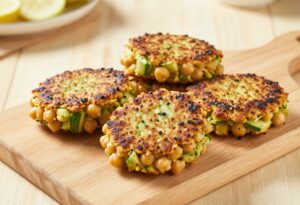
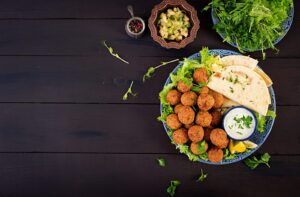
- Ideal pairings: pulses (lentils, chickpeas, beans), carrots, squash, white meats, rice and yoghurts. Cumin also goes very well with coriander and ground turmeric in spice blends.
- Storage: away from light, in an airtight jar. Whole seeds keep their aromas longer than the ground spice.
In terms of nutrition facts, cumin stands out for its fibre (10.5 g per 100 g), plant protein (17.8 g) and minerals such as iron, magnesium and calcium. It also provides aromatic compounds studied for their antioxidant properties. As it is used by the pinch, these amounts stay symbolic at the scale of a portion, but they are a pleasant addition to foods that are already nutritious.
For active people: cumin is valuable for making dishes rich in complex carbohydrate and protein, such as bowls of lentils or brown rice, tasty without weighing down the plate. It helps vary the flavours of recovery meals and makes it easier to stick to a meal plan. Remember to pair these spiced dishes with a good fitness nutrition strategy and enough hydration around exercise.
Weight control: there is no reason to fear the calorie density of cumin as long as you use it as a seasoning and not in large amounts. Be wary instead of the preparations that go with it (creamy sauces, fried foods). To explore other low-calorie flavourings, discover the herbs and spices family or compare intakes in the food calorie table.
In short, cumin is a flavour ally that enriches your balanced diet, supports healthy recipes and brings character to your dishes without excess salt or fat.