Group · Pulses
Lima beans
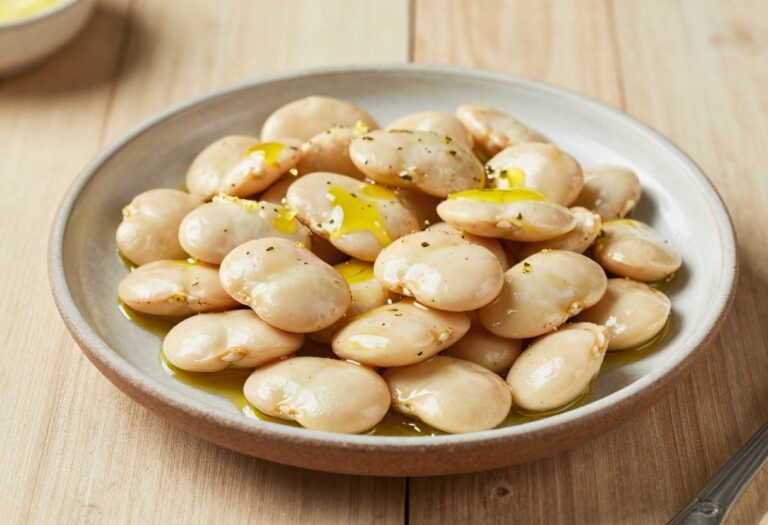
Also known as butter beans, lima beans are a pulse with a creamy texture and a mild, slightly buttery taste. They come in several forms: fresh, dried to be rehydrated, frozen or tinned. Their large, flat, curved seeds make them a great ingredient for slow-cooked dishes, salads and purées. In nutritional terms, they provide around 105 kcal per 100 g, nearly 6.84 g of plant protein, 15.3 g of slow-release carbohydrate and 4.9 g of fibre, all for very little fat. A useful source of minerals and fibre, they naturally have their place in a varied, balanced diet, particularly in vegetarian menus.
Macronutrient breakdown
Nutrition table per 100 g
| Calories | 105 kcal |
| Kilojoules | 444 kJ |
| Protein | 6,9 g |
| Carbohydrate | 15,3 g |
| Fat | 0,9 g |
| Fibre | 4,9 g |
Micronutrients per 100 g
All measured nutrients, ranked by share of the daily reference intake.
- Manganese1,22 mg61 %
- Copper0,32 mg32 %
- Vitamin C23,4 mg29 %
- Potassium467 mg23 %
- Iron3,14 mg22 %
- Vitamin B10,22 mg20 %
- Phosphorus136 mg19 %
- Magnesium58 mg15 %
- Vitamin B9dietary folate equivalents34 µg
See the other 9 nutrients
- Vitamin B60,2 mg14 %
- Vitamin B31,47 mg9 %
- Zinc0,78 mg8 %
- Vitamin K15,6 µg7 %
- Vitamin B20,1 mg7 %
- Calcium34 mg4 %
- Vitamin B50,25 mg4 %
- Vitamin E0,32 mg3 %
- Vitamin A10,5 µg1 %
Anses Ciqual 2025. Source: Anses, 2025, Ciqual food composition table
Tips
The lima bean suits many preparations. If dried, soak it for several hours then cook it for a long time in simmering water for a soft texture. Frozen and tinned versions save precious time: rinse the tinned version well to reduce the added salt. A sensible portion is around 100 to 150 g cooked, as a side or a vegetarian main.
- Winning pairings: combine them with a wholegrain cereal (rice, bulgur, quinoa) to improve the amino acid profile and get complete protein.
- Gentle cooking: simmered with tomato, onion and herbs, they stay creamy. Gentle cooking helps to preserve their nutrients.
- Storage: once cooked, they keep for 3 to 4 days in the fridge and freeze very well, perfect for batch cooking.
In terms of nutrition facts, these beans stand out for their complex carbohydrates with a moderate glycaemic index and their good fibre content, which promote fullness and regular digestion. They also provide minerals such as potassium, magnesium and plant-based iron (pair with a source of vitamin C to improve absorption). With only 0.86 g of fat, they remain very light. You can explore other options from the same family such as white beans or lentils, and discover all the pulses to vary your intake.
For active people: lima beans are an excellent source of slow carbohydrate and plant protein, useful for refilling glycogen stores after exercise and supporting muscle recovery. Include them in a post-workout meal with a cereal and vegetables. When building mass, they complement other protein sources; when cutting, their low fat density and filling fibre are assets. To go further on eating for exercise, see our guide to fitness nutrition.
Weight control: although low in calories for a pulse, the carbohydrates add up quickly if portions are generous. Favour light seasonings (a drizzle of olive oil, lemon, spices) rather than rich sauces, and keep an eye on the overall quantity on your plate. Introduced gradually, they fit perfectly into a lasting balanced diet.